


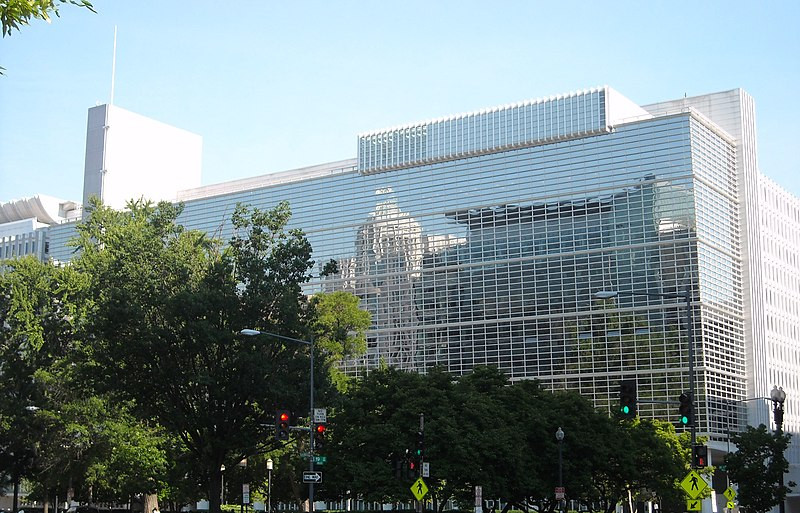
MALAYSIA’S recent halal certification agreement with Indonesia and the phased removal of egg price controls have drawn praise from the World Bank, which views the measures as encouraging signs for the country's economic landscape.
World Bank Chief Economist for Malaysia, Apurva Sanghi, said reducing bureaucratic barriers in halal certification would help boost halal trade between Malaysia and Indonesia.
He also commended Malaysia’s adoption of digital licensing for railway transport between Malaysia and Thailand, describing it as a positive step for regional trade facilitation.
"This shows that non-tariff barriers within ASEAN can still be overcome," Apurva noted in a post on his official X account today.
On the gradual lifting of egg price controls, Apurva said the move deserves recognition, particularly in the context of Malaysia’s history of imposing and reversing price controls during festive periods.
"This is similar to price controls on imported Chinese white pomfret and garlic during Chinese New Year, and on imported buffalo meat and mackerel during Aidilfitri," he said.
While noting improvements in exports, the ringgit’s performance, and other economic indicators, Apurva cautioned against overinterpreting these developments.
“The recent export surge is largely due to early shipments made in anticipation of global trade uncertainty, and is unlikely to be sustainable.
“Likewise, the strengthening of the ringgit reflects more of a weakening US dollar than a genuine rise in the ringgit’s value. The foreign exchange market remains too volatile for any firm conclusions to be drawn,” he said.
Apurva also welcomed the collective move by government-linked investment companies (GLICs) to implement a living wage, which is expected to benefit low-income workers.
However, he warned that for the initiative to be sustainable, it must be accompanied by gains in productivity.
“It remains to be seen whether this initiative will influence other employers, especially in the formal private sector, where around two million workers still earn below the living wage threshold,” he said. - May 6, 2025















