


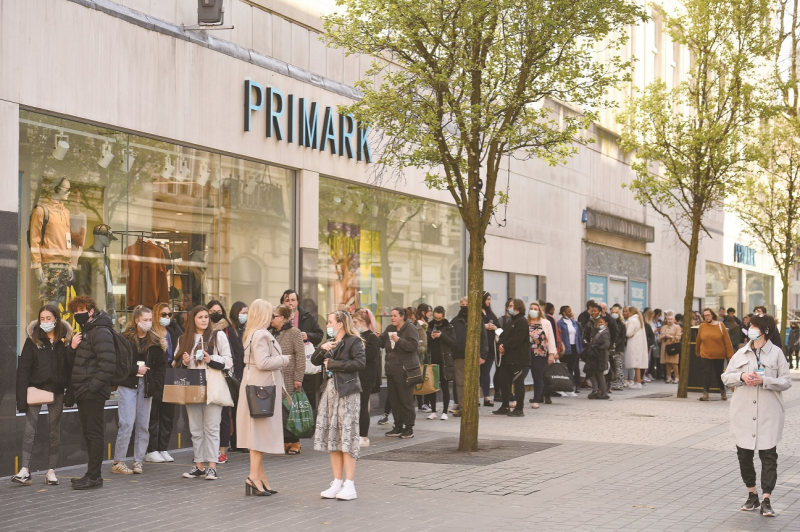
BRITISH shoppers favoured festive food over clothing and gifts this Christmas, according to trading updates from leading retailers Tesco, Marks & Spencer and Primark, revealing a mixed picture of consumer confidence and dampening optimism for 2026.
Reuters reported on Thursday that Tesco, the United Kingdom’s largest grocery chain, reported a 3.2% rise in underlying UK sales during the six-week festive period, describing the performance as a “strong” Christmas.
However, the growth fell short of summer figures of 4.6% and slightly below analyst expectations, prompting a 5% drop in the company’s shares.
“Consumer confidence is mixed. Some shoppers are counting every penny,” Tesco CEO Ken Murphy told reporters, noting that while many traded up over the holiday period, uncertainty remains heading into the new year. “I can’t legislate for what 2026 holds for anybody,” he added.
Marks & Spencer experienced a 5.6% increase in underlying food sales over the Christmas quarter, but its clothing, home and beauty divisions declined by 2.9%, hampered by weak demand and lingering effects from last year’s cyberattack.
Primark’s parent company, Associated British Foods, described Britain’s clothing market as “difficult” over the holiday season, while also warning of falling sales across continental Europe. The company’s shares plunged 11% following the announcement.
Meanwhile, Greggs, the country’s largest fast-food chain, highlighted subdued consumer sentiment and projected flat profits for the year ahead, underscoring the cautious mood among households.
Consumer confidence is being weighed down by rising unemployment, with official figures last month showing Britain’s jobless rate at its highest level since early 2021.
Fashion retailer Next also reported strong Christmas sales but cautioned that growth is likely to slow in 2026. CEO Simon Wolfson said he expected employment pressures to continue curbing discretionary spending as the year unfolds.
The overall picture points to a festive season where shoppers prioritised essential and celebratory foods while exercising restraint on discretionary purchases, a trend that may shape retail performance throughout 2026. - January 8, 2025















