


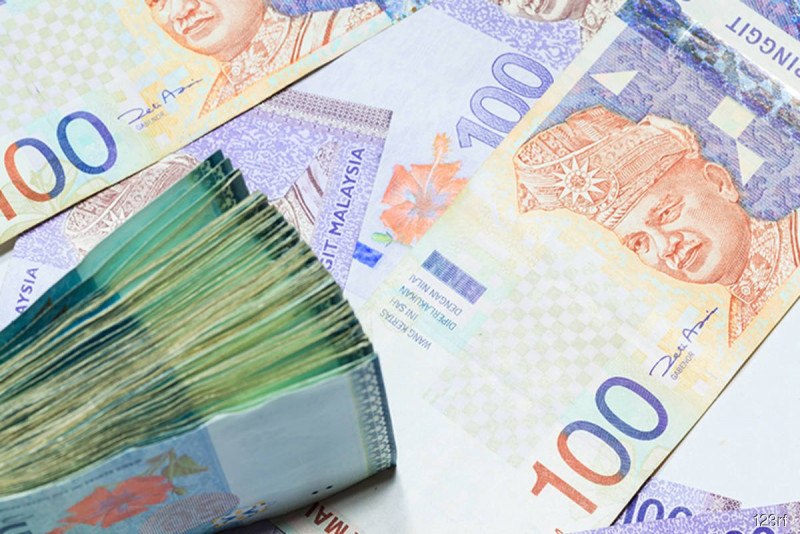
THE ringgit has surged to its strongest position against the US dollar in more than seven years, providing a welcome boost for the nation and reflecting the success of sound governance, political stability, and investor confidence in the country’s economic prospects.
Earlier this week, the ringgit surpassed the psychological 4.00 level against the dollar, continuing an upward trend that began the previous week, demonstrating a recovery in sentiment towards Malaysia’s economic fundamentals and political steadiness.
Economists, however, warn that while the strengthening of the local currency promises benefits to consumers and import-reliant businesses, the tangible impact on retail prices and everyday life may take several months to be fully felt.
Professor Emeritus Datuk Shamsul Amri Baharuddin explained that existing market realities, particularly stockpiles of goods purchased or imported when the ringgit was weaker, mean that price reductions cannot be immediately passed on to consumers.
“People should not rush to spend or question the effects prematurely,” Shamsul Amri told Bernama. “There is a time lag between currency appreciation and the real impact on retail prices.”
He outlined four primary groups that stand to benefit from a stronger ringgit: consumers, import-dependent businesses, the government, and Malaysians spending or travelling abroad.
“When the ringgit strengthens, imported goods such as smartphones, vehicles, medicines, wheat, and milk become cheaper, but the effect only appears once old stock is sold. Citizens should understand that prices will not drop immediately,” he said.
“Typically, it takes two to three months, and sometimes up to four months for items like vehicles, depending on the product. This understanding is crucial to avoid misconceptions about government policy when benefits are not immediately visible.”
Shamsul Amri, Director of the Institute of Ethnic Studies at the National University of Malaysia (UKM), noted that essential items like fresh food and medicines may reflect price adjustments sooner than durable goods such as canned products, which move more slowly through the supply chain.
“Goods purchased daily or weekly tend to show price changes faster, while high-value or infrequently bought items take longer to reflect currency gains,” he said.
For businesses, the ringgit’s appreciation gradually reduces import costs, but passing these savings to consumers depends on pricing structures and distribution channels, including intermediaries.
He added that strict monitoring and enforcement of price adjustments by authorities is essential to ensure that import cost reductions translate into tangible benefits for the public.
Meanwhile, economist Professor Dr Ahmed Razman Abdul Latiff described the stronger ringgit as a “positive signal” for Malaysia’s economy, reinforcing foreign investor confidence and supporting long-term growth, including job creation.
“Appreciation of the ringgit has implications beyond macroeconomic indicators; it directly affects daily life.
“Sectors such as poultry farming, which relies almost entirely on imported feed, stand to benefit quickly, potentially lowering chicken prices in the domestic market,” he said.
Dr Ahmed also highlighted that a stronger ringgit enhances the purchasing power of Malaysians travelling abroad, making foreign trips more affordable.
Responding to scepticism that the ringgit’s rise is merely due to a weaker US dollar, he emphasised that domestic factors also play a crucial role.
“While the US dollar is indeed weakening, Malaysia’s internal economic conditions are equally important. Compared with other Asian currencies, the ringgit has posted one of the strongest gains, reflecting a healthy and growing economy since last year,” he said.
He added that domestic stability, including accommodative monetary policy with a 2.75 per cent overnight policy rate (OPR) throughout 2026, provides space for more vigorous economic activity in the near term.
Dr Ahmed also advised caution regarding potential impacts on exporters and domestic tourism, as a stronger ringgit could make Malaysian exports more expensive abroad, affecting demand.
“It is vital for Malaysia to maintain competitiveness through high-value products. The ringgit’s appreciation will not adversely affect Visit Malaysia Year 2026, even though the spending power of foreign tourists will be relatively lower,” he said. - February 1, 2026















