Business

Cuba kicks off 2021 with new currency structure

Plan sees convertible peso, which is pinned to greenback, phased out over 6 months

Updated 5 years ago · Published on

Cuba kicks off 2021 with new currency structure
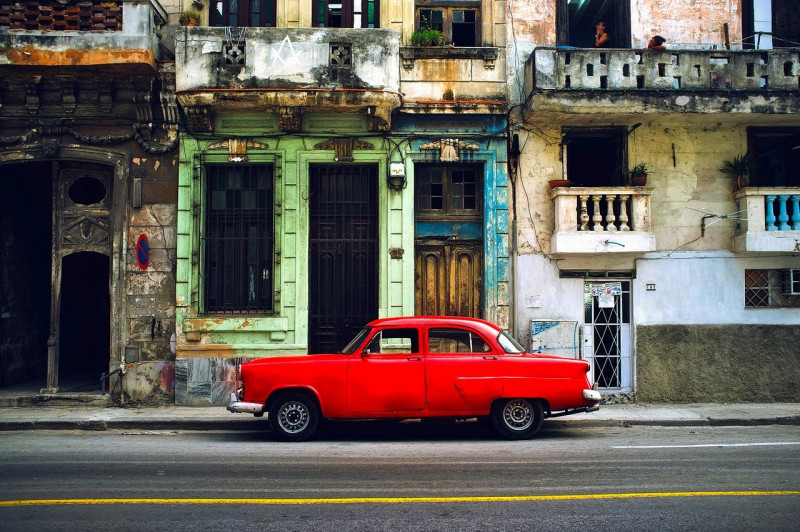
Reforms announced weeks ago by President Miguel Diaz-Canel are intended to make the Cuban economy more efficient and easier to understand for foreign investors. – Pixabay pic, January 2, 2021

HAVANA – Cubans awoke on New Year’s Day to a new currency structure under long-awaited economic reforms that come with a double-edged sword of salary increases and price hikes.

The reforms entered into force on the communist island yesterday – dubbed “Day Zero” – just weeks after they were announced by President Miguel Diaz-Canel.

The policy is intended to make the Cuban economy more efficient and easier to understand for foreign investors, 62 years after Fidel Castro’s communist revolution.

The plan will see the convertible peso, which is pinned to the dollar and was introduced in 1994 to replace the US currency, phased out over six months.

This will leave only the regular peso, worth about 24 times less.

Inflation will soar as a result, and authorities have warned of a 160% average hike in prices. 

Bread and electricity costs will rise, and in an added blow, the government has said it will also curb subsidies on some consumer goods as part of the reforms.

In exchange, the minimum wage will be hiked from 400 pesos to 2,100 pesos (RM60 to RM321).

Many are concerned that higher salaries will not make up for inflation.

“Everyone is worried. The Cuban lives in fear,” said 36-year-old merchant Yusbel Pozo.

“The future is uncertain.

“We don’t know what is going to happen. The electricity (price) is going up, food will follow.”

Last year, the Cuban economy shrank 11%, its worse decline in 27 years.

The country is reeling from sanctions toughened by the administration of US President Donald Trump, and a decline in tourism and remittances due to the coronavirus pandemic.

University of Havana economist Ricardo Torres told AFP that despite months of planning, some aspects of the reform “are beyond the government’s control, such as the possibility of uncontrolled inflation”. – AFP, January 2, 2021


Related News

World / 3y

China spied on US using Cuba military base since 2019: US official

World / 3y

Cuba postpones International Workers’ Day parade over fuel shortages

World / 3y

US plane makes emergency landing in Cuba after hitting birds 

World / 3y

Five dead, 12 missing after Cuba migrant boat sinks

Food / 3y

Cuba mixes up a series of hits with its cocktail creativity

World / 3y

Court orders four cruise lines to pay nearly US$450 mil for using Cuba port

Spotlight

Malaysia

Anwar receives special recognition as 10,000 Muslims gather in Putrajaya

Malaysia

Video of elderly man being assaulted goes viral on social media

Malaysia

The wide reach of corruption and organised crime in the country

Malaysia

Malaysia pushes to give smaller economies stronger voice in Asia-Pacific trade – Anwar

Malaysia

No tsunami threat to Malaysia after 5.4-magnitude earthquake hits Banda Sea

Malaysia

Who is calling the shots in Negeri Sembilan as Ismail’s position comes under scrutiny?

Opinion

Ayob Khan: When the uniform comes off, the principles remain

Malaysia

MySiren to send emergency alerts to compatible phones nationwide from Nov 29 test

You may be interested

Business

Oil extends losing streak for fourth week as supply glut outweighs Middle East tensions

Business

Oil retreat offers limited relief as ringgit weakens against firmer US dollar

Business

Oil origin claims need official documents, not trader papers, says expert

Business

NexG share surge puts spotlight on RM7.5b takeover proposal as SC examines trading

Business

Govt moves to block seven US-blacklisted entities from accessing local data centres

Business

Pengerang needs to create wider economic value, not just store more oil, says expert

Business

Matrix Concepts ranked among top ten developers at TDPA 2026

Business

Three Malaysian firms placed on US trade blacklist over advanced technology diversion fears