


MALAYSIA is intensifying efforts to digitise its small business sector through the nationwide rollout of e-invoicing, with authorities positioning the reform as central to improving transparency, resilience and access to financing.
Deputy Finance Minister Liew Chin Tong said the initiative is designed to modernise the country’s business ecosystem, particularly among micro, small and medium enterprises, by strengthening record-keeping and operational efficiency.
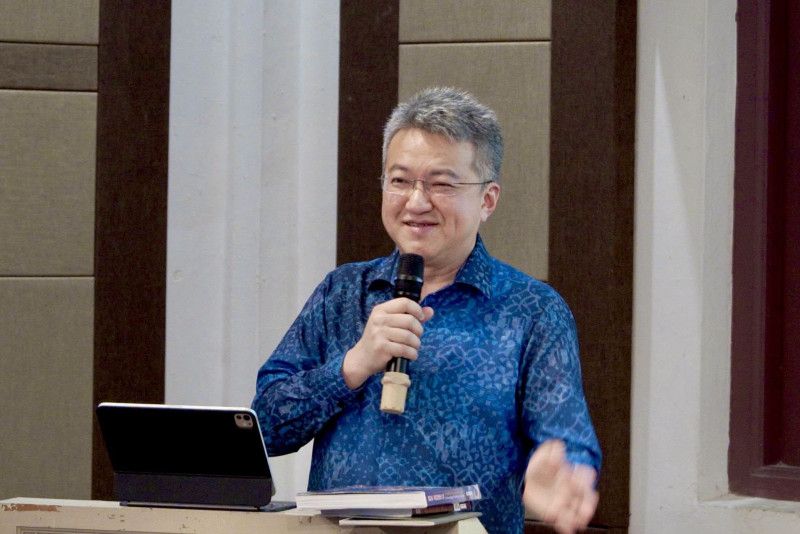
Speaking at the launch of the SME and e-Invoicing Carnival organised by the Inland Revenue Board (IRB) today, he described the programme as a key platform to connect businesses with advisory services, funding opportunities and digital tools.
The carnival, held in conjunction with the tax authority’s 30th anniversary, forms part of a broader strategy to support SMEs in adapting to a rapidly evolving economic and technological landscape.
“The implementation of e-invoicing is an important government initiative to support digital transformation. Its main objective is to digitise the business ecosystem in Malaysia, foster a fairer economic environment, and enhance operational efficiency, including for SMEs,” he said.
Since becoming mandatory in August 2024, the system has processed more than 1.255 billion e-invoices involving 224,024 businesses, reflecting rapid uptake across the economy.
Liew said the transition offers significant benefits beyond compliance, enabling businesses to maintain systematic and transparent financial records while improving their ability to manage cash flow, debt and outstanding income.
He acknowledged that concerns remain among some businesses, particularly regarding tax implications, but stressed that digitalisation ultimately enhances trust and security in transactions.
“From one perspective, it cannot be denied that e-invoicing raises concerns because it involves taxation. But we must recognise that today’s digital environment is more secure and reliable. With confidence, transactions will be safer,” he said.
He added that improved financial documentation would also ease access to financing, noting that banks often require complete and accurate records before approving loans.
“For example, banks find it difficult to provide loans to businesses without proper accounting and complete records. With e-invoicing, this problem no longer arises,” he said.
To support adoption, the Inland Revenue Board has introduced free digital tools, including the MyInvois portal and e-point-of-sale system, targeted at businesses with annual revenue of up to RM5 million.
Liew urged continued investment in digital infrastructure to ensure systems remain up to date and capable of supporting growing demand, while also calling for stronger collaboration between authorities, financial institutions and businesses.
“This programme is important because the Inland Revenue Board is engaging directly with SMEs. It must demonstrate to the public, especially the business community, that e-invoicing truly brings benefits,” he said.
He emphasised that the government’s role is evolving beyond tax collection towards enabling digital adoption and economic growth, with agencies expected to act as partners in helping businesses modernise.
“Ultimately, we must work together as a nation, where the Inland Revenue Board sees itself not only as a tax collector but also as a partner in driving digitalisation, and where businesses are ready to embrace digital tools to expand and operate in a more secure, transparent and efficient manner,” he said.
Liew added that while gaps remain between policy ambitions and implementation on the ground, continued improvements to systems and outreach efforts would be critical in ensuring widespread adoption and long-term success. - April 20, 2026















