


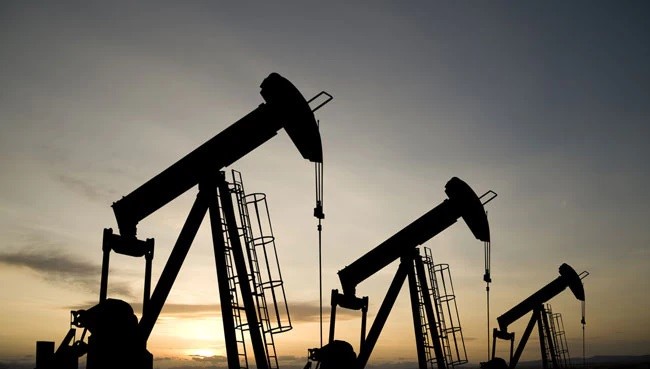
GLOBAL oil markets rallied on Thursday as escalating Middle East tensions triggered fresh concerns over the security of vital shipping routes and the potential impact on global crude supplies.
Brent crude futures for September delivery rose 2% to US$95.99 a barrel, while US West Texas Intermediate (WTI) crude futures gained 1.7% to US$88.27 a barrel, pushing both benchmarks to their highest levels in nearly six weeks.
The price surge followed attacks by Iran-backed Houthi militants on two Saudi oil tankers in the Red Sea, marking the first reported strikes on oil vessels in the key maritime corridor and raising fears that the conflict could spread to another major energy route.
The Houthis claimed the vessels were targeted with missiles and drones for violating their blockade, while the UK Maritime Trade Operations reported that a ship caught fire after being struck southwest of Saudi Arabia's Red Sea coast.
The attacks added to mounting concerns over global energy security as commercial shipping through the Strait of Hormuz remained under threat amid rising tensions between Washington and Tehran.
US President Donald Trump warned on Wednesday that the United States would target Iranian infrastructure if Iran launched attacks on ships passing through the strategic waterway.
"From this point forward, any time the Islamic Republic of Iran shoots at a ship in the Strait of Hormuz, whether it be by Missile, Rocket, Drone, or any other device or weapon, the United States will bomb and destroy ONE BRIDGE OR POWER PLANT," Trump said.
The warning came as US forces carried out a 12th consecutive day of strikes against Iran aimed at curbing threats to commercial shipping, while Tehran responded with attacks on Kuwait.
Both sides continued to downplay the possibility of immediate diplomatic breakthroughs, with Trump warning that further strikes against Iranian infrastructure remained possible.
The escalating confrontation has fuelled fears that disruption around the Strait of Hormuz, one of the world's most important oil transit routes, could have wider economic consequences by restricting crude flows and increasing shipping costs.
Meanwhile, currency markets remained cautious as investors monitored geopolitical risks surrounding Iran and the Middle East conflict.
The US Dollar Index (DXY) slipped towards 101.10 on Wednesday, allowing the euro to recover slightly, while most major currency pairs remained relatively stable.
Investor sentiment remained fragile after Trump's warning of potential strikes against Iranian infrastructure, with concerns over a broader conflict supporting demand for oil and precious metals as safe-haven assets.
The DXY eased towards 101.13 as markets awaited Thursday's US initial jobless claims data, with economists forecasting claims to rise to 212,000 from 208,000, although the increase would still suggest that labour market conditions remained relatively stable.
In currency trading, EUR/USD advanced towards the 1.1410 level as the dollar weakened slightly, with investors focusing on the European Central Bank's latest monetary policy decision.
The ECB is widely expected to maintain its main refinancing operations rate at 2.40% and the deposit facility rate at 2.25%, while markets will closely examine President Christine Lagarde's remarks for indications of future policy moves.
The Sterling traded slightly lower near 1.3380 despite the softer US dollar, with investors awaiting the UK GfK Consumer Confidence report, which is expected to improve to -21 in July from -23.
The Yen remained largely unchanged near 163.15, close to multi-decade highs, as higher oil prices continued to weigh on Japan, a major energy importer.
Investors are also watching Japan's upcoming inflation figures for clues on whether the Bank of Japan will continue tightening monetary policy, while ongoing geopolitical uncertainty continues to support demand for the US dollar. - July 23, 2026















