MALAYSIA could generate new sources of revenue by developing its marine-fuel industry and positioning itself as a regional hub for blending, storing and supplying fuel to ships, maritime industry expert Datuk Seri R. Jeyenderan said.
With more than 30 years of experience in the maritime and shipping industry, Jeyenderan said Malaysia should make better use of its petroleum resources, palm oil industry, storage facilities and ports to generate greater economic value locally.
His proposal follows a call by Selangor Menteri Besar Datuk Seri Amirudin Shari for the government to broaden its revenue base and identify new strategic industries that could generate sustainable returns for the country.

Amirudin, who is also the Pakatan Harapan-Gombak MP, said government commitments, including subsidies, civil service emoluments, debt servicing and retirement benefits, constrained its ability to fund development and economic transformation.
He also urged the Finance Ministry to explain how economic growth, investment and trade could translate into higher government revenue, while proposing greater diversification to reduce reliance on income from Petroliam Nasional Bhd (PETRONAS) and government-linked investment companies.
Responding to the issue, Jeyenderan said developing Malaysia into a regional marine-fuel hub could be one way to create new business opportunities while allowing the country to capture more value from its existing petroleum resources.
He identified Very Low Sulphur Fuel Oil (VLSFO), a type of marine fuel used by ships, as one area Malaysia could explore to strengthen its position in the international shipping industry.
VLSFO is used by ships to comply with the International Maritime Organization's global sulphur limit, which generally restricts the sulphur content of fuel oil used by vessels to 0.50%.
The limit, which came into effect in January 2020, has created demand for marine fuels that meet the required specifications.
Jeyenderan said Malaysia could explore producing VLSFO through the blending of suitable petroleum products, storing the finished fuel and supplying it to vessels passing through the region.
This would allow local companies to participate in more stages of the marine-fuel supply chain instead of focusing mainly on transporting petroleum cargo.
“For example, a company could obtain suitable fuel components from refineries or petroleum suppliers, blend them in controlled proportions and test the resulting product to ensure it meets the required sulphur limit and other fuel specifications.
“The finished VLSFO could then be stored in dedicated tanks before being delivered to ships at ports or through bunker vessels.
“Another opportunity would be to receive different petroleum products at Malaysian storage terminals, combine suitable components to produce fuel that meets a buyer's requirements, and sell the finished product to shipping operators.
“Such operations would require appropriate equipment, quality testing and documentation to ensure the fuel meets specifications and remains suitable for use.
“We could make more money from oil cargo by doing more of the work locally, including mixing the fuel, storing it and selling it to ships, instead of simply receiving and moving the cargo,” he said in a statement.
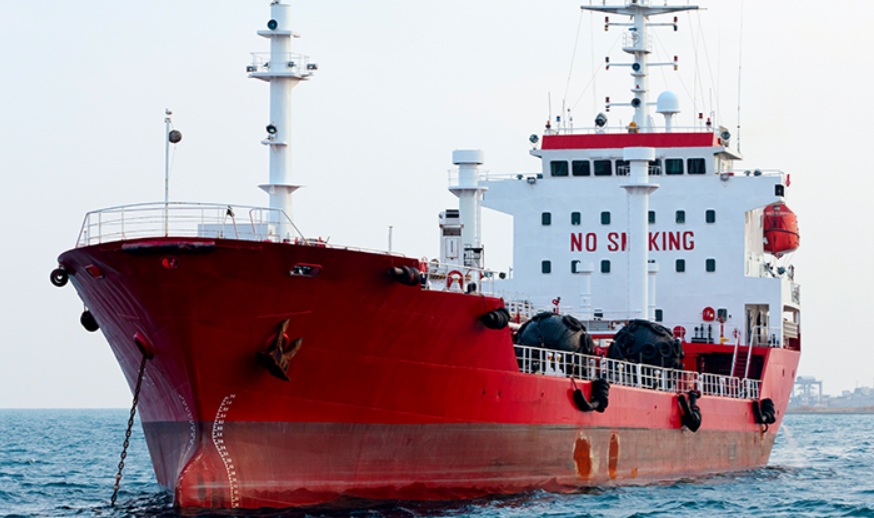
He said a regional marine-fuel hub could create opportunities across fuel blending, storage, trading, transportation and bunkering, which involves supplying fuel to vessels.
“These activities could support local businesses and generate additional demand for port services, logistics and petroleum trading,” he said.
However, Jeyenderan said Malaysia would need clear regulatory and operational guidelines to support the industry's development, particularly in the handling, storage, transfer and blending of petroleum products.
Jeyenderan said proper documentation and transparent procedures would help protect government revenue, give businesses greater certainty and encourage investment in higher-value activities.
He said that by developing its marine-fuel capabilities, Malaysia could explore an additional source of economic activity while strengthening its position in the regional maritime and energy supply chain. – October 22, 2026