


Business

China consumer prices rise ahead of Lunar New Year

Fresh produce, various meats cost more ahead of next month’s nationwide holiday

Updated 5 years ago · Published on

China consumer prices rise ahead of Lunar New Year
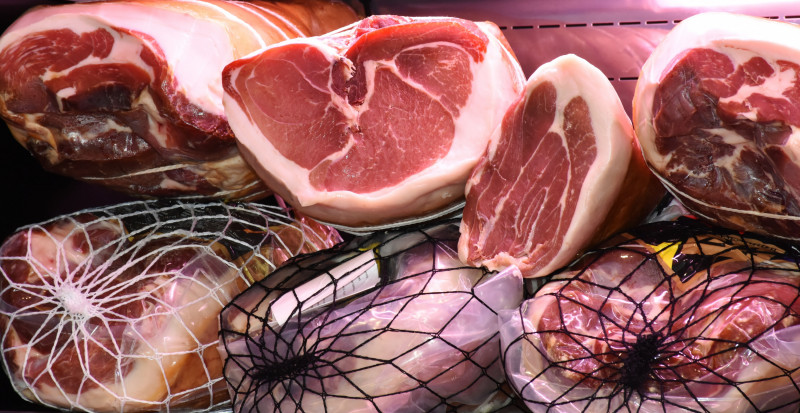
Pork prices, which rocketed previously after an African swine fever outbreak ravaged pig stocks, continue to drop 1.3% on-year last month in China. – Pixabay pic, January 11, 2021

BEIJING – China’s consumer prices rebounded last month, official data showed today, as food prices picked up due to weather difficulties and rising demand ahead of the Lunar New Year festival.

In December, the consumer price index rose more than expected at 0.2% on-year, said the National Bureau of Statistics (NBS), with prices increasing for fresh produce and meats such as pork, beef and mutton ahead of next month’s nationwide holiday.

“Due to continued low temperatures, the production, storage and transportation costs of fresh vegetables and fruit increased,” said NBS senior statistician Dong Lijuan.

The index is a key gauge of retail inflation, and the rebound follows the first negative reading in over a decade last month as food costs fell.

Today, Dong said consumer demand is picking up due to New Year’s Day and the upcoming Lunar New Year, bumping up the prices of other food items.

However, pork prices, which rocketed previously after an African swine fever outbreak ravaged pig stocks, continued to drop 1.3% on-year last month as supplies of the staple meat recovered.

For the whole of 2020, consumer prices rose 2.5% on-year.

“The pork price cycle continues to weigh on the inflation outlook,” said Zhaopeng Xing, senior China strategist at ANZ Research, in a recent report, saying there has been a faster-than-expected recovery of hog stocks.

Meanwhile, the producer price index (PPI), which measures the cost of goods at the factory gate, fell 0.4% on-year last month –better than November’s 1.5% drop.

“Domestic demand recovered steadily, coupled with the continued rise in prices of some international commodities,” said Dong.

For the whole of 2020, PPI fell 1.8% on-year. – AFP, January 11, 2021

Related News

Opinion / 1d

The Jensen Huang case: The racial trope driving US - China relations

Opinion / 1w

Honey Trap: Western media response to Jensen Huang and the latest China spy story

Opinion / 3w

Will the AI bubble burst?

Events / 4w

Shanghai trade fair returns to KL with 500 exhibitors in November

Malaysia / 2mth

PM Anwar loses beloved elder brother; Idrus Ibrahim passes away

Malaysia / 2mth

Anwar asks Loke to reconsider resignation over Najib pardon

Spotlight

Malaysia

Anwar receives special recognition as 10,000 Muslims gather in Putrajaya

Malaysia

Video of elderly man being assaulted goes viral on social media

Malaysia

The wide reach of corruption and organised crime in the country

Malaysia

Malaysia pushes to give smaller economies stronger voice in Asia-Pacific trade – Anwar

Malaysia

No tsunami threat to Malaysia after 5.4-magnitude earthquake hits Banda Sea

Malaysia

Who is calling the shots in Negeri Sembilan as Ismail’s position comes under scrutiny?

Opinion

Ayob Khan: When the uniform comes off, the principles remain

Malaysia

MySiren to send emergency alerts to compatible phones nationwide from Nov 29 test

You may be interested

Business

Oil origin claims need official documents, not trader papers, says expert

Business

Oil extends losing streak for fourth week as supply glut outweighs Middle East tensions

Business

Pengerang needs to create wider economic value, not just store more oil, says expert

Business

Govt moves to block seven US-blacklisted entities from accessing local data centres

Business

Matrix Concepts ranked among top ten developers at TDPA 2026

Business

NexG share surge puts spotlight on RM7.5b takeover proposal as SC examines trading

Business

Oil retreat offers limited relief as ringgit weakens against firmer US dollar

Business

Three Malaysian firms placed on US trade blacklist over advanced technology diversion fears



















