Business

US targets July for trade accord between Boeing and Airbus

Biden administration ‘very serious’ about solving long-running conflict between rival aviation giants

Updated 5 years ago · Published on

US targets July for trade accord between Boeing and Airbus
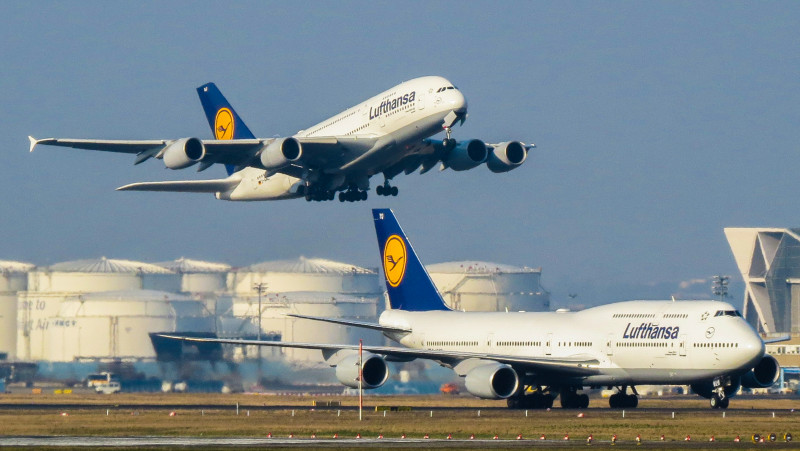
US Trade Representative Katherine Tai says both President Joe Biden and EU leader Ursula von der Leyen intend to reach an agreement regarding a 16-year-old transatlantic dispute over subsidies for rival plane makers Boeing and Airbus. – Wikipedia pic, May 13, 2021

WASHINGTON – The United States wants to resolve the long-running trade conflict between aviation giants Boeing and Airbus by July, US Trade Representative Katherine Tai told a congressional panel yesterday.

US President Joe Biden and EU leader Ursula von der Leyen had in March suspended retaliatory tariffs in the 16-year-old transatlantic dispute over subsidies for the rival plane-makers, and Tai told a Senate committee the sides intend to reach an agreement by the summer.

“I have made clear that we are interested in resolving these disputes in this four-month period, and I would very much like for us to make the kind of progress between now and July,” Tai said.

Asked if the Biden administration would extend the pause without an accord, Tai said the administration is “very serious” about ending the feud.

“We really need to have these disputes resolved,” Tai said.

Each side has won rulings in the dispute before the World Trade Organisation, which authorised the governments to impose punitive tariffs. The two sides have levied duties on each other’s plane manufacturers, while Washington has put tariffs on a record US$7.5 billion (RM30.9 billion) in EU goods.

These target European products like wine, cheese and olive oil, while the EU had placed duties on American farm products such as wheat and tobacco, plus alcoholic spirits and chocolate.

Among other matters raised during the hearing, Tai said “very critical issue areas are still open” in talks between the United States and Britain towards signing a trade accord.

Tai said these include “the situation in Northern Ireland” following Britain’s departure from the European Union. – AFP, May 13, 2021

Related News

Business / 6mth

Airbus A220 deal will cost US$19 billion - Fernandes

Malaysia / 1y

Boeing aircraft acquisition strengthens Malaysia's position in global aviation inductry

World / 2y

Boeing whistleblower found dead from 'self-inflicted' gunshot wound

Malaysia / 2y

Made in Malaysia? Detail found on door plug torn apart mid-flight from Boeing plane in US

Business / 3y

Malaysia needs speed, scale to accelerate sustainable manufacturing in aerospace - Tengku Zafrul

World / 3y

Boeing’s first crewed space launch delayed, again

Spotlight

Malaysia

Anwar receives special recognition as 10,000 Muslims gather in Putrajaya

Malaysia

Video of elderly man being assaulted goes viral on social media

Malaysia

The wide reach of corruption and organised crime in the country

Malaysia

Malaysia pushes to give smaller economies stronger voice in Asia-Pacific trade – Anwar

Malaysia

No tsunami threat to Malaysia after 5.4-magnitude earthquake hits Banda Sea

Malaysia

Who is calling the shots in Negeri Sembilan as Ismail’s position comes under scrutiny?

Opinion

Ayob Khan: When the uniform comes off, the principles remain

Malaysia

MySiren to send emergency alerts to compatible phones nationwide from Nov 29 test

You may be interested

Business

Oil prices holds above US$80 as Hormuz attacks heighten supply concerns

Business

Oil retreat offers limited relief as ringgit weakens against firmer US dollar

Business

Pengerang needs to create wider economic value, not just store more oil, says expert

Business

NexG share surge puts spotlight on RM7.5b takeover proposal as SC examines trading

Business

Govt moves to block seven US-blacklisted entities from accessing local data centres

Business

Oil origin claims need official documents, not trader papers, says expert

Business

Three Malaysian firms placed on US trade blacklist over advanced technology diversion fears