Business

2020 domestic tourism spending plummets 61% to RM40 bil

It’s first decline since 2008, when Stats Dept began collating data from survey on sector

Updated 5 years ago · Published on

2020 domestic tourism spending plummets 61% to RM40 bil
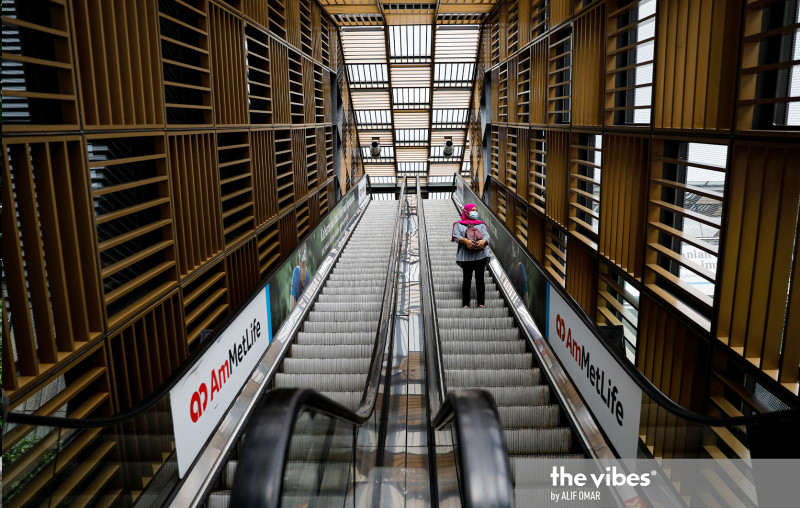
Movement controls implemented to curb the Covid-19 pandemic hit domestic tourism activities hard last year. – The Vibes file pic, June 30, 2021

KUALA LUMPUR – Local tourism expenditure last year fell 60.8% to RM40.4 billion from the RM103.2 billion recorded in 2019, according to the Domestic Tourism Survey 2020 Report issued by the Statistics Department today.

The chief statistician’s office, in a statement, said it is the first decline since 2008, when the department started collating data from the survey.

Chief Statistician Datuk Seri Mohd Uzir Mahidin said movement controls implemented to curb the Covid-19 pandemic hit domestic tourism activities.

“Overall, domestic visitor arrivals were down 44.6% at 131.7 million compared with 239.1 million in 2019, resulting in a fall of 60.8% in total spending to RM40.4 billion from RM103.2 billion previously.”

The poorer performance in 2020 was driven by a decline in daily local tourist numbers and spending by 65.9% and 51.1%, respectively.

On the number of trips, Uzir said domestic visitors undertook 147 million trips last year, a slide of 55.8% on-year.

On spending, he said shopping was the biggest contributor at 52.6%, up from 37.8% in 2019, of overall expenditure by these visitors, followed by food and beverages (18.6%, up from 14.3% previously).

Fuel made up 9% of the total, down from 15% a year ago.

“This is the first time that expenditure on food and beverages is higher than fuel,” said Uzir.

He added that it is the first time since 2008 that contribution from travelling for shopping, which recorded 42.3% (35.4% in 2019), has surpassed the trip contribution from visiting relatives and friends (32.0%, down from 42.3% in 2019).

This is followed by contribution for holidays and leisure at 16.9% (9% in 2019).

Selangor was the most-visited state by domestic travellers last year, followed by Perak (13.2 million), Kuala Lumpur (12.4 million), Sabah (10.3 million) and Kedah (10.1 million). – Bernama, June 30, 2021

Related News

Malaysia / 1w

Najib’s luxury lockup is set to become Malaysia’s hottest new tourist sensation

Off beat / 1mth

Tourism Malaysia seeks lower local airfares to boost domestic tourism

Health / 2mth

Tourism players in Penang call for urgent action to overcome haze situation

Malaysia / 2mth

Tajikistan eyes bigger role for Malaysia in Central Asian market

Off beat / 2mth

Time to look beyond manufacturing and tourism sectors, says Penang CM

Places / 2mth

Overwhelming response for Penang’s reopened museum

Spotlight

Malaysia

Anwar receives special recognition as 10,000 Muslims gather in Putrajaya

Malaysia

Video of elderly man being assaulted goes viral on social media

Malaysia

The wide reach of corruption and organised crime in the country

Malaysia

Malaysia pushes to give smaller economies stronger voice in Asia-Pacific trade – Anwar

Malaysia

No tsunami threat to Malaysia after 5.4-magnitude earthquake hits Banda Sea

Malaysia

Who is calling the shots in Negeri Sembilan as Ismail’s position comes under scrutiny?

Opinion

Ayob Khan: When the uniform comes off, the principles remain

Malaysia

MySiren to send emergency alerts to compatible phones nationwide from Nov 29 test

You may be interested

Business

NexG share surge puts spotlight on RM7.5b takeover proposal as SC examines trading

Business

Oil retreat offers limited relief as ringgit weakens against firmer US dollar

Business

Govt moves to block seven US-blacklisted entities from accessing local data centres

Business

Oil origin claims need official documents, not trader papers, says expert

Business

Pengerang needs to create wider economic value, not just store more oil, says expert

Business

Three Malaysian firms placed on US trade blacklist over advanced technology diversion fears

Business

Oil prices holds above US$80 as Hormuz attacks heighten supply concerns