


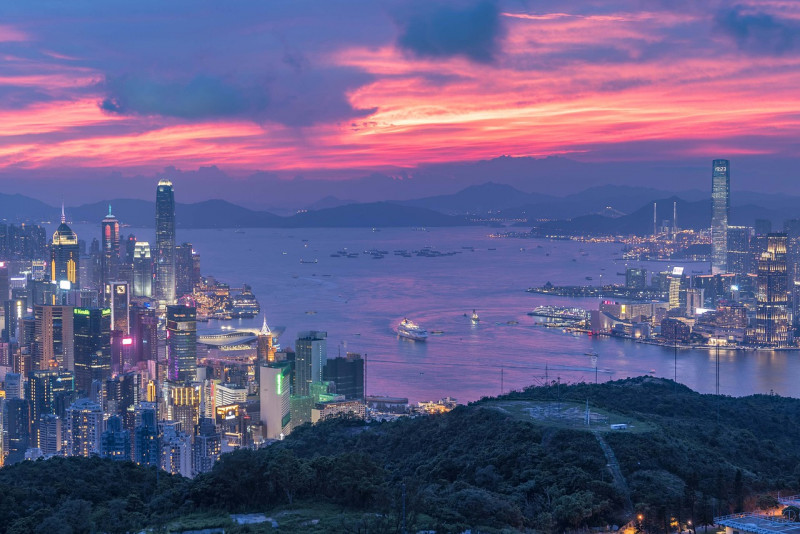
HONG KONG – Asian markets mostly fell today as traders track developments in the Ukraine war and diplomatic efforts to bring the crisis to an end while Hong Kong took a pounding after China placed Shenzhen into lockdown, fuelling a rout in the tech sector.
Oil prices dropped, providing some respite after they soared to a near 14-year high last week, though the commodity remains elevated around US$110 and keeping upward pressure on inflation.
Trading floors continue to be awash with uncertainty as Russia’s war in Ukraine rages, with comments from Vladimir Putin that there were “positive developments” in talks with Kyiv unable to provide much support.
US national security adviser Jake Sullivan is due to meet senior Chinese diplomat Yang Jiechi in Rome later today, with Ukraine at the top of the agenda as the White House seeks help in bringing the crisis to a swift conclusion.
Beijing has declined to directly condemn Moscow for launching its invasion, and has repeatedly blamed Nato’s “eastward expansion” for worsening tensions between Russia and Ukraine, echoing the Kremlin’s prime security grievance.
Investors are also nervously awaiting the Fed’s latest monetary policy gathering, which is expected to end Wednesday with the bank announcing a quarter-point interest rate hike.
The US central bank is trying to walk a fine line between trying to rein in runaway inflation while also trying to support the world’s biggest economy in the face of the war in Ukraine, which many fear could lead to another recession.
“We are experiencing extraordinary volatility in global equities compounded by wavering market sentiment, and the risk of recession intensifies on spiralling commodity prices,” Louise Dudley at Federated Hermes said.
“We expect ongoing swings in the short term as geopolitical uncertainty over Russian crude persists.”
The prospect of higher borrowing costs has seen the dollar rally across the board, hitting multi-year highs against the yen, pound and euro.
After another drop on Wall Street, Asia struggled.
Hong Kong tanked 5% and the Hang Seng Tech Index was slammed around 11% with market heavyweights Alibaba and Tencent also each losing around a tenth of their value.
The selling came after news yesterday that China has placed all 17 million residents in Shenzhen under lockdown as it battles a flare-up of Covid-19 cases across the country.
Public transport has been suspended and officials have told all residents to stay at home, with the lockdown set to last until March 20 while three rounds of mass testing are carried out. The move has led Foxconn, which is a key supplier for Apple and maker of iPhones, to halt operations in the city.
The news compounded problems for China’s tech industry, which has been under increasing pressure from Beijing’s regulatory crackdown on the private sector.
Chinese firms listed in the United States were hammered last week owing to concerns about a crackdown by authorities there.
“At this stage, we still see the technology space as very vulnerable,” said Jun Li, of Power Pacific Investment Management. “It is very difficult to evaluate the risk profile at this stage.”
Among other markets, Shanghai, Seoul, Singapore, Taipei, Bangkok, Manila and Wellington also fell, though Tokyo, Sydney, Mumbai and Jakarta rose.
London, Paris and Frankfurt opened higher.
Oil prices slipped despite strict sanctions on Russia that have seen the United States ban crude imports from the country, and following the announcement of a pause in negotiations to restore the 2015 nuclear agreement between Iran and world powers.
The news comes just as it appeared a deal was close, which would have allowed Tehran to sell its crude on world markets again, easing a supply crisis.
The setback came after Russia said it was demanding guarantees that the Western sanctions imposed on its economy following its invasion of Ukraine would not affect its trade with Iran. – AFP, March 14, 2022




















