KUALA LUMPUR – The European Union’s (EU) move to ban the import of commodities that are deemed risky to deforestation has stirred consternation in Malaysia, which considers it a deliberate act to hinder market access and shore up the continent’s own oilseeds industry.
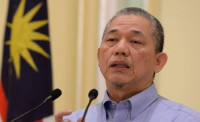
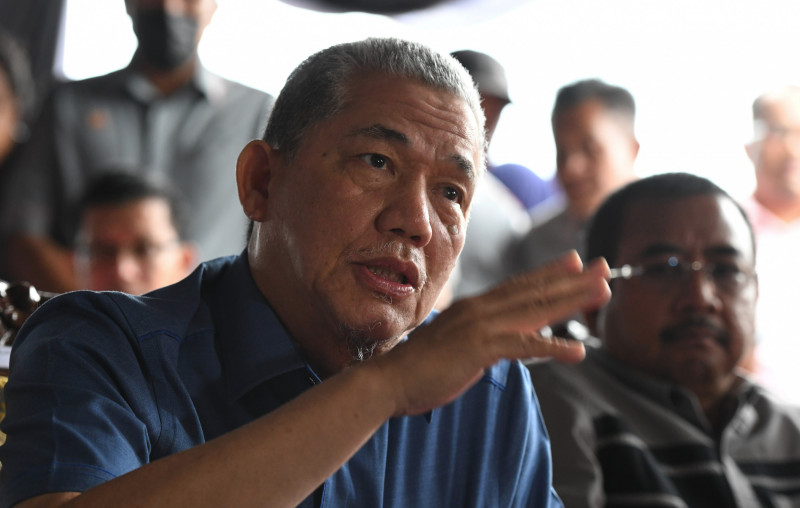
According to Deputy Prime Minister Datuk Seri Fadillah Yusof, the restriction, which includes products like palm oil, timber, cocoa and rubber, would be detrimental to free and fair trade, and have an adverse impact on global supply of these commodities.
“Some aspects of the risk-assessment process of the regulation are counter-productive to commitments to curb global deforestation and run the risk of disincentivising producing countries,” said Fadillah, who is also the plantation and commodities minister, in a statement today.
He was commenting on the EU’s Council and Parliament Deforestation-Free Products Regulation agreed upon on December 6 with regard to products that are imported into or exported from the union member countries.
He said that the deal would see exporting countries of these commodities becoming ranked as “high-risk, standard-risk or low-risk”, with restrictions on commodities being either more or less stringent, based on this ranking.
“The regulation is a deliberate act by Europe to block market access, hurt small farmers, and protect a domestic oilseeds market that is inefficient and cannot compete with the cost of palm oil.
“Moreover, this regulation could lead to higher food prices and reduced output at a time of record global inflation,” he added.
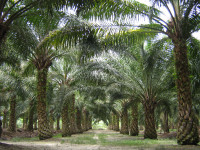
Fadillah also said that the regulation was based on unsound reasoning and has a weak scientific basis, stressing that Malaysia’s palm oil industry is sustainable and is one of the most certified vegetable oils in the world today.
“The Malaysian Sustainable Palm Oil standard already guarantees Malaysia’s commitment to comprehensive sustainability standards.
“Malaysia will continue to provide sustainable and deforestation-free palm oil to our European and global customers. There is no need to add further costs and burdens.”
He also added that Malaysia values the EU as one of its important trading and investment partners and expressed hope to further strengthen the ties as well as a possible resumption of Malaysia-EU Free Trade Agreement negotiations.
According to a statement shared on the European Commission (EC) website earlier this month, the EU reached an agreement on December 6 to ban the import of the mentioned products, which have been identified as a “driver of deforestation” if they come from deforested land after December 31, 2020.
The EC also mentioned that when the new rules enter into force, all relevant companies will have to conduct strict due diligence if they place their products on the EU market.
It also stated that importing companies will have to show that their products are deforestation-free, and subject to proving “precise geographical information on farmland” where the commodities were sourced.
The EU will now have to formally adopt the regulation before it can enter into force, and traders will have 18 months to implement the rules, the statement said.
The Malaysian Palm Oil Board has since also expressed concern about the agreement to ban the import of several products.
Its director-general Datuk Ahmad Parveez Ghulam Kadir said the EU’s regulation only targeted the cultivation of commodities from developing economies as the major challenge in protecting the global environment. – The Vibes, December 23, 2022