HONG KONG – Most Asian markets fell today as the closure of two regional US banks sparked fears of contagion in the financial sector, even as officials promised to support customers.
The collapse Friday of Silicon Valley Bank, which specialises in venture-capital financing largely in the tech sector, came after a huge run on deposits left it unable to stay afloat on its own.
That came in response to its announcement of a stock offering and sale of securities to raise much-needed cash. Its shares collapsed 60% in New York on Thursday and trading was suspended Friday morning, before regulators said they had closed it down.
SVB is the largest retail bank to fail since the 2008 financial crisis.
Its problems had built up as the US Federal Reserve’s year-long interest rate hikes meant securities it owned were selling for significantly less – a problem that other banks could face.
Yesterday, New York regulators said they had closed another lender, Signature Bank.
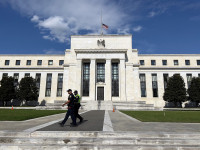
The crisis forced the Fed, the Treasury Department and Federal Deposit Insurance Corp. to pledge to fully protect all depositors and give backup to any lenders struggling to find cash, providing easier terms on short-term loans.
In a joint statement, they said SVB depositors would have access to “all of their money” starting today, March 13, and that taxpayers will not have to foot the bill.
“We are taking decisive actions to protect the US economy by strengthening public confidence in our banking system,” the agencies said in the statement.
“The US banking system remains resilient and on a solid foundation,” due in large part due to reforms undertaken after the financial crisis that introduced new safeguards for the banking industry.
President Joe Biden vowed to hold “fully accountable” the people responsible for “this mess” and said he would deliver remarks this morning on maintaining a resilient banking system.
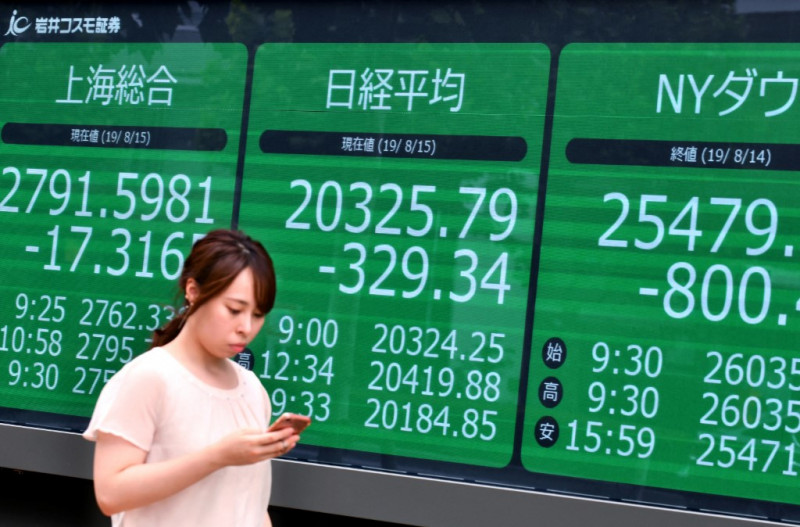
US bank shares plunged Friday, and Asian lenders extended their own losses, with HSBC, National Australia Bank and Mitsubishi UFJ Financial Group all well down today.
And broader equity markets were also down, with Tokyo off more than 1%, while Sydney, Seoul, Singapore, Taipei, Wellington, Manila and Jakarta were all in the red.
However, Hong Kong bounced after last week’s steep losses, while Shanghai also edged up. US futures were also sharply higher.
‘Additional dangers’
The crisis will complicate the Fed’s plans to further hike interest rates as it struggles to rein in inflation, with investors now expecting it will lift them just 25 basis points at its next meeting, rather than the 50 points tipped last week.
Friday also saw the release of data showing a forecast-busting jump in US jobs creation last month, signalling more work is needed to cool the economy. The Fed keeps a close eye on the jobs market as it decides on monetary policy. Inflation figures are due out later this week.
The pledge of support “will bring confidence back to the markets”, Carol Pepper of Pepper International told Bloomberg TV.
“But from the Fed’s point of view, there are additional dangers that need to be reviewed, which will take some time. So I’m hoping that this will help them to have a good reason to pause because frankly creating financial stability is the number one job at the Fed.”
However, SPI Asset Management’s Stephen Innes warned: “With the market likely headed for a more turbulent period with US inflation on a collision course with the bank ‘theatre of tragedy’, now is probably not the best time for investor ‘euphoria’.”
Expectations that the Fed will lift rates less than thought sent the dollar tumbling Friday, and it fell further against its major peers in Asian trade. – AFP, March 13, 2023