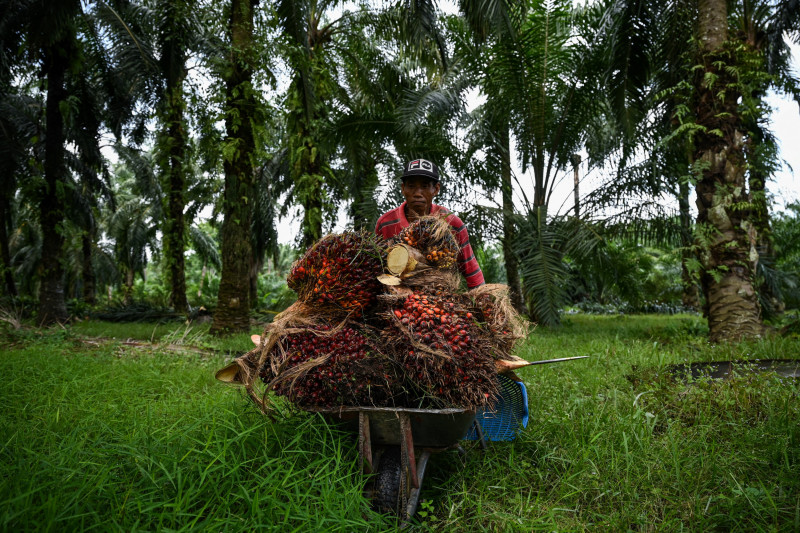

KOTA KINABALU – Local palm oil farmers in Sabah have been claiming unfair treatment, saying they have “no voice” in the Malaysian Palm Oil Board (MPOB), a federal authority.
Their problems were recently highlighted by Tawau MP Lo Su Fui who said that local planters have been sidelined in terms of incentives distribution, on top of facing additional charges only imposed on fresh fruit bunch (FFB) from Sabah.
He said that from his own experience as a planter in the industry, most government incentives for palm oil players hardly reach Sabah’s local farmers, but are often quickly grabbed by giant companies based in the peninsula.
“The large palm oil companies are based in the peninsula but have large estates in Sabah,” he said in an interview with The Vibes.
“They are the ones who will grab all these incentives first as they will get first-hand information and be the first to apply, probably because they are there (in the peninsula).”
He said there are also additional charges that only apply to Sabah. Among others, these include transportation charges at RM100 per tonne of FFB exported from Sabah, which has been imposed for decades.
“The transportation charges no longer make sense, especially for cases in which Sabah is exporting FFB directly to other countries such as China.
“Be fair to Sabah. There are a lot of other charges – altogether, RM200 per tonne of FFB. It means that if the peninsula (players) are selling at RM500 per tonne, then Sabah can only sell RM300 per tonne. That is a huge difference,” he said.
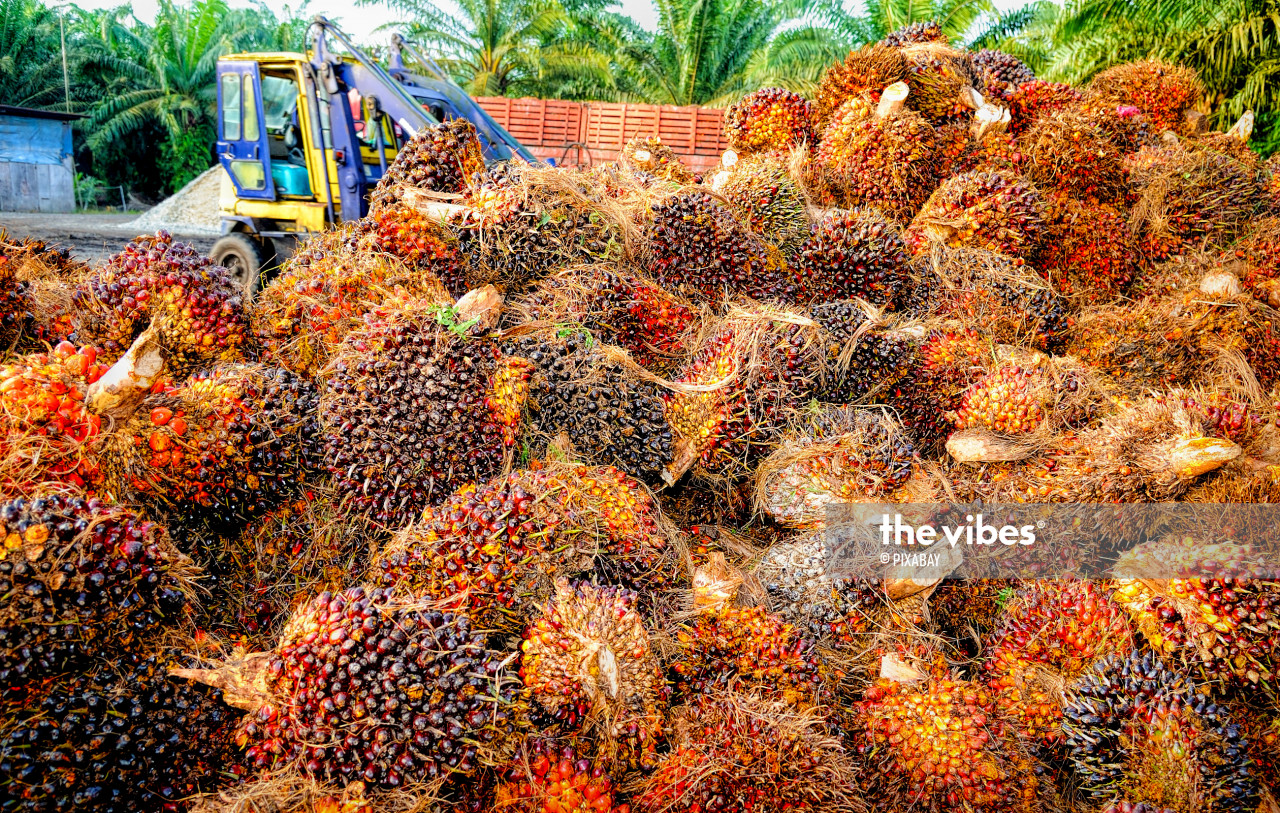
Recently, Sabah Deputy Chief Minister Datuk Seri Jeffrey Kitingan said that the state government is in the process of setting up the Sabah Oil Palm Industry Authority (Sopia) to replace the Sabah arm of the MPOB.
This is similar to Lo’s call for the establishment of Sabah’s own palm oil board.
Lo said the MPOB has not improved the downstream sector of the industry in Sabah.
Another people’s representative, Karamunting assemblyman George Hiew Vun Zin also supports the setting up of Sabah’s own palm oil authority, saying that the current associations representing planters from Sabah and Sarawak are insufficient as they are dominated by representatives of giant companies from West Malaysia.
Sabah still poor despite being palm oil-rich
In Sabah, cultivation of oil palm stood at 1.5 million ha, which is 26% of Malaysia’s total palm oil land (5.67 million ha), but only a fraction of around 20% to 30% is from the local smallholders.
Both Lo and Hiew questioned the millions of ringgit in the income generated by these giant peninsula-based companies and if they have done anything to “give back” to the people of Sabah.
They hailed the setting up of a Sabah palm oil body as reflecting the state putting up a fight in the spirit of the Malaysia Agreement 1963.
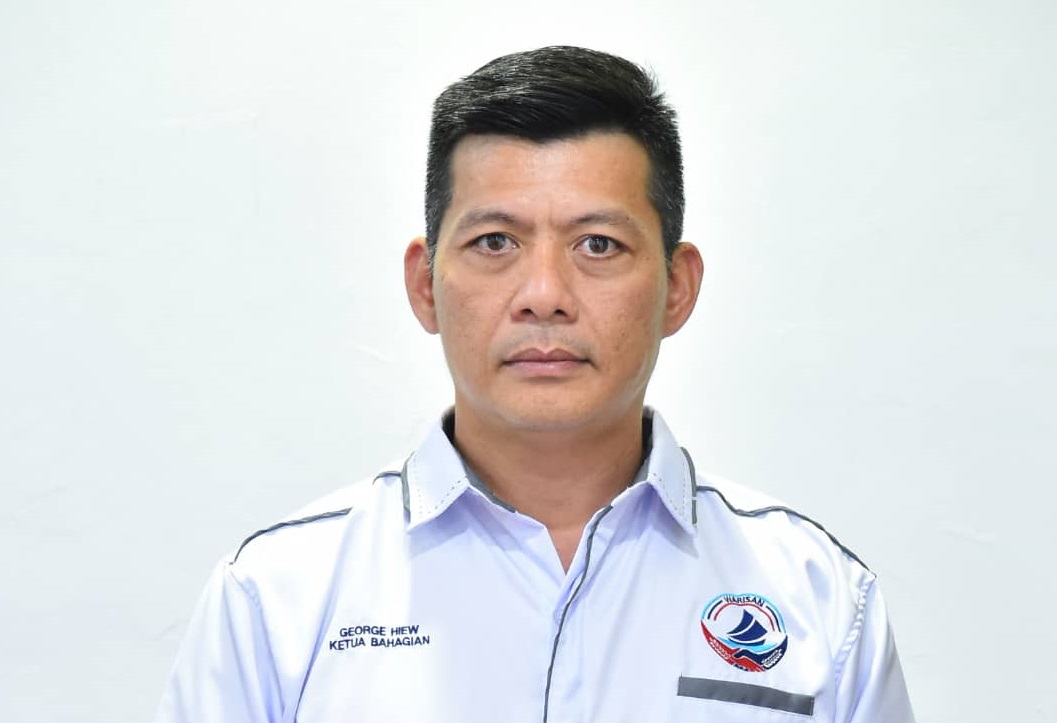
“Our roads are damaged by their overloaded lorries. It is only right that they fork out funds to improve our roads, this is something that the Sabah Palm Oil Board (if established) could fight for,” Hiew said.
However, an industry source told The Vibes that despite such local sentiments, the large peninsula-based palm oil companies have brought development to the state.
“Many have forgotten that it was due to the timber industry, followed by the oil palm industry that villages and townships were opened throughout Sabah.
“The first roads, housing, water, electricity, and schools were brought to the interiors by the plantation industry, built within the plantations and still maintained by the plantations,” he claimed.
“Villages and later towns grew around these plantations and the start of commercial centres.”
Industry paying what is required
The source said the industry has paid all its dues from purchasing the lands from the state under the law and clearing the lands.
They are paying annual rental under the lease agreements, all required federal and state taxes, levies, and windfall taxes which amount to 36% to 38% in Sabah – one of highest taxed industries in Malaysia, besides that of the oil and gas.
He said the people of Sabah have to realise that the oil palm industry is the only industry that is paying this sales tax, whereas banking, manufacturing and other sectors are not contributing in any form of state taxes to Sabah.
Another industry source who is on the same page said the question of why Sabah has a large plantation base but is still backward could be best answered by the politicians who administer the state funds.
“The oil palm industry’s upstream and downstream (elements) duly pay dues in income taxes and levies to both federal governments, and 7.5% sales tax based on the price of the palm oil and not even on profits to the state government.
“Last year’s Sabah sales taxes on CPO (crude palm oil) was estimated at RM1.539 billion – equivalent to building 13 hospitals for the whole Sabah state in one year. Where have the taxes been used for?” he questioned.
He strongly opined that it is the job of the federal government and the Sabah government to first invest in infrastructure and facilities in the oil palm’s downstream sector, then attract investors to develop the sector.
Currently, there are still 124 palm oil mills, 11 palm oil refineries, and 14 palm kernel crushers invested in Sabah.
“It is not MPOB’s role to promote downstream activities and businesses. It is for the (federal) International Trade and Industry Ministry, and the Sabah Industrial Development and Entrepreneurship Ministry to do so,” he added. – The Vibes, April 1, 2023.