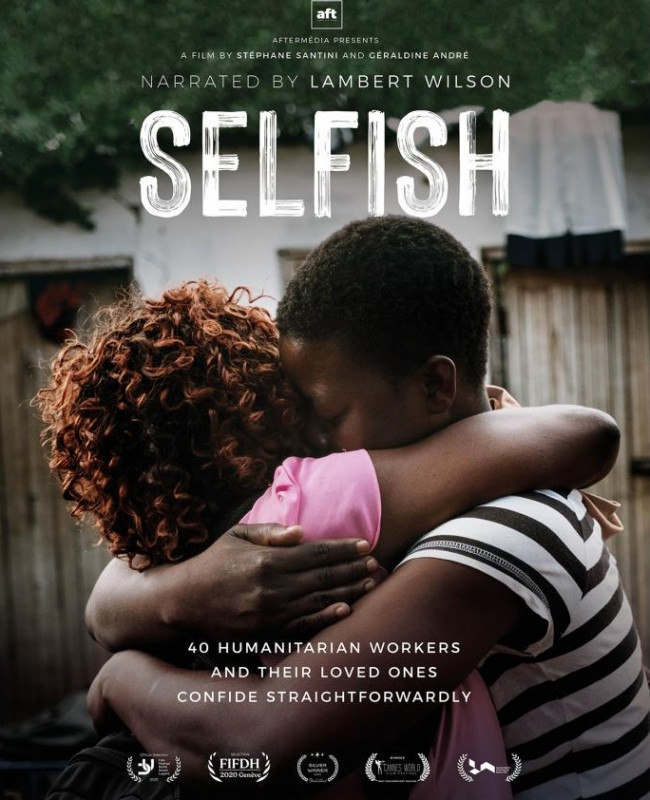
DOCTORS Without Borders (or Médecins Sans Frontières) organised its first film screening of the 2020 documentary Selfish over this past weekend in Kuala Lumpur.
Through personal accounts, the documentary provides a fascinating insight into the world of humanitarians and explores the complexity of the choices taken before going out on a humanitarian mission. The 56-minute documentary is directed by Stéphane Santini, Géraldine André, Laurence Hoenig and Pierre Yves Bernard, all of whom come with experience in the field of humanitarian aid.
In Selfish, forty humanitarian workers and their loved ones speak without reserve about the risk, commitment and passion required to be on the frontlines of conflict scenarios, providing aid to people who have lost everything. The workers also share memories of their first missions, encounters, the unspeakable violence they have witnessed, and their journies home after enduring difficult and traumatic experiences.
Shot in eight different countries, including South Sudan and Tanzania, Selfish is a revelatory document on the sacrifices humanitarian workers around the world make every day.
One of the four directors of the documentary, Laurence Hoenig, said that the idea to make the documentary came from trying to understand humanitarians’ commitment to their work.
“'Why do I leave? Why do I take this risk?' These questions are rarely shared and expressed so we wanted to address them throughout the documentary.
“Documentaries on humanitarian world often focus on specific context, crisis, or regions, but very rarely on humanitarian workers themselves. It is also reportages and not documentaries that tell the reality of the population hit by crises. It was important to give a voice to humanitarian workers, but also their loved ones, to better understand their commitment and the mechanisms that push people to go on a mission,” she said.
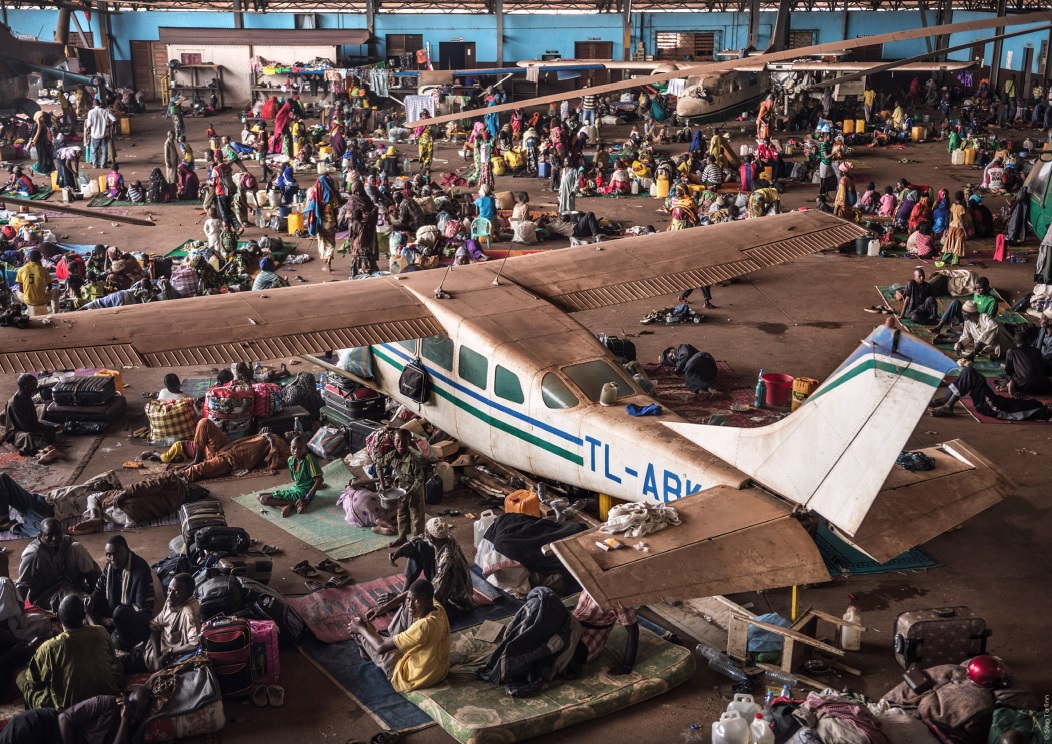
Hoenig also shared that the directors hoped viewers watching the documentary will get rid of this idea of "humanitarian heroes” and better understand the power of commitment.
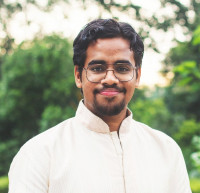
The first screening of the film took place on August 19 with more screenings on August 20, which were followed by a sharing session with Doctors Without Borders’ field workers. Among the field workers, who shared their experiences working in Doctor Without Borders projects were Malaysian trauma surgeon Dr Ashok Kannan and anaesthetist Dr Mafietz Mamat. The film screening was attended by some 400 people.
Doctors Without Borders Southeast, East Asia & Pacific director Paul McPhun said they were happy with the audience response of the first film screening.
“What we observed was that the audiences were eager to learn more about field workers experiences and Doctors Without Borders. There is a keen interest in understanding humanitarian work outside Malaysia and many were also interested in learning how they can contribute,” he said following the screening. He shared that Doctors Without Borders will continue to do more activities and engage Malaysians in the work that they do.
Doctors Without Borders started working in Malaysia in 2004 to improve access to medical and mental health services for refugee and asylum seeker communities, despite the fact that Malaysia is not a signatory to the 1951 UN Refugee Convention. These communities have limited access to health care and face the threat of arrest, detention, or deportation on a daily basis.
In 2020, despite the challenges of the pandemic, Doctors Without Borders continued to support refugee communities by distributing food and supplying medicines. The organisation provided general health care, health education, psychosocial support, and counselling via mobile clinics and a fixed clinic in Penang, in partnership with the local NGO ACTS.
In partnership with Mercy Malaysia and Suka Society, Doctors Without Borders also work in several immigration detention centres. They assist refugees and asylum seekers in need of protection by referring them to UNHCR for assessment of their refugee status and continue to appeal for safe disembarkation of Rohingya refugees in distress at sea. The organisation has provided medical care and counselling to Rohingya boat refugees on Langkawi. – The Vibes, August 21, 2022