A YEAR ago, the world was introduced to ChatGPT, and it will change our lives forever. Given this anniversary, it seemed an appropriate time to question how ChatGPT, and artificial intelligence (AI) in general, will affect tertiary education.
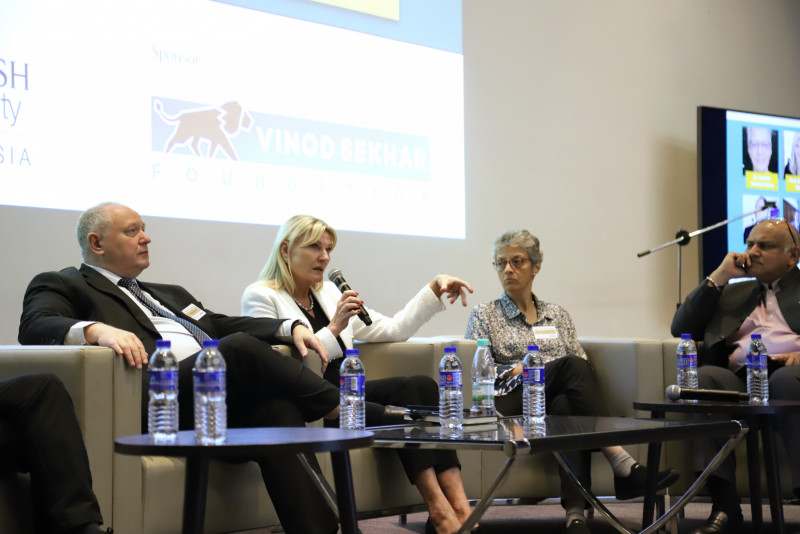
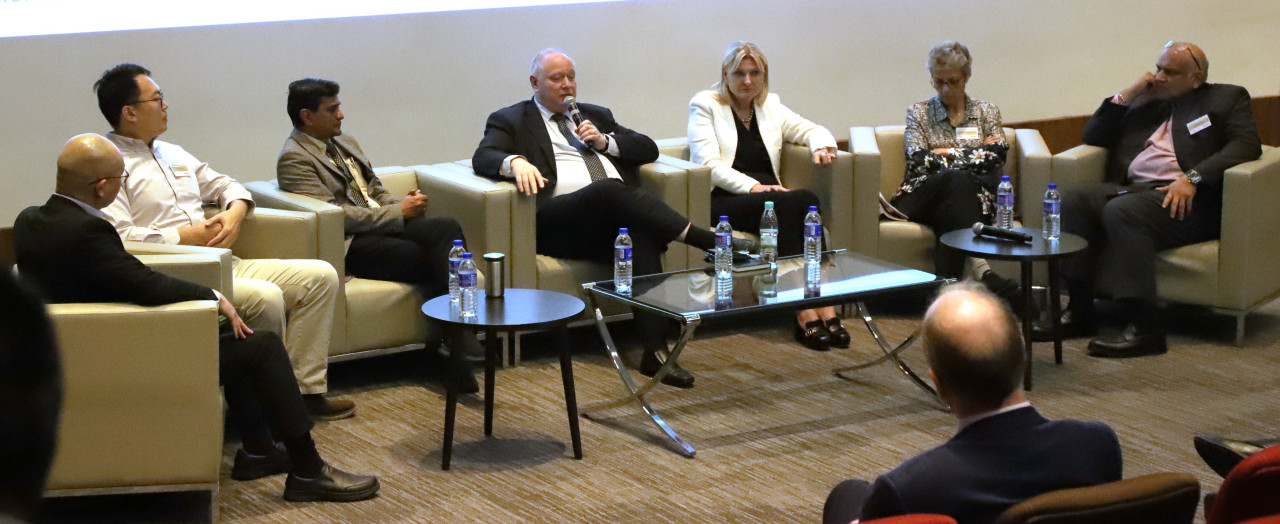
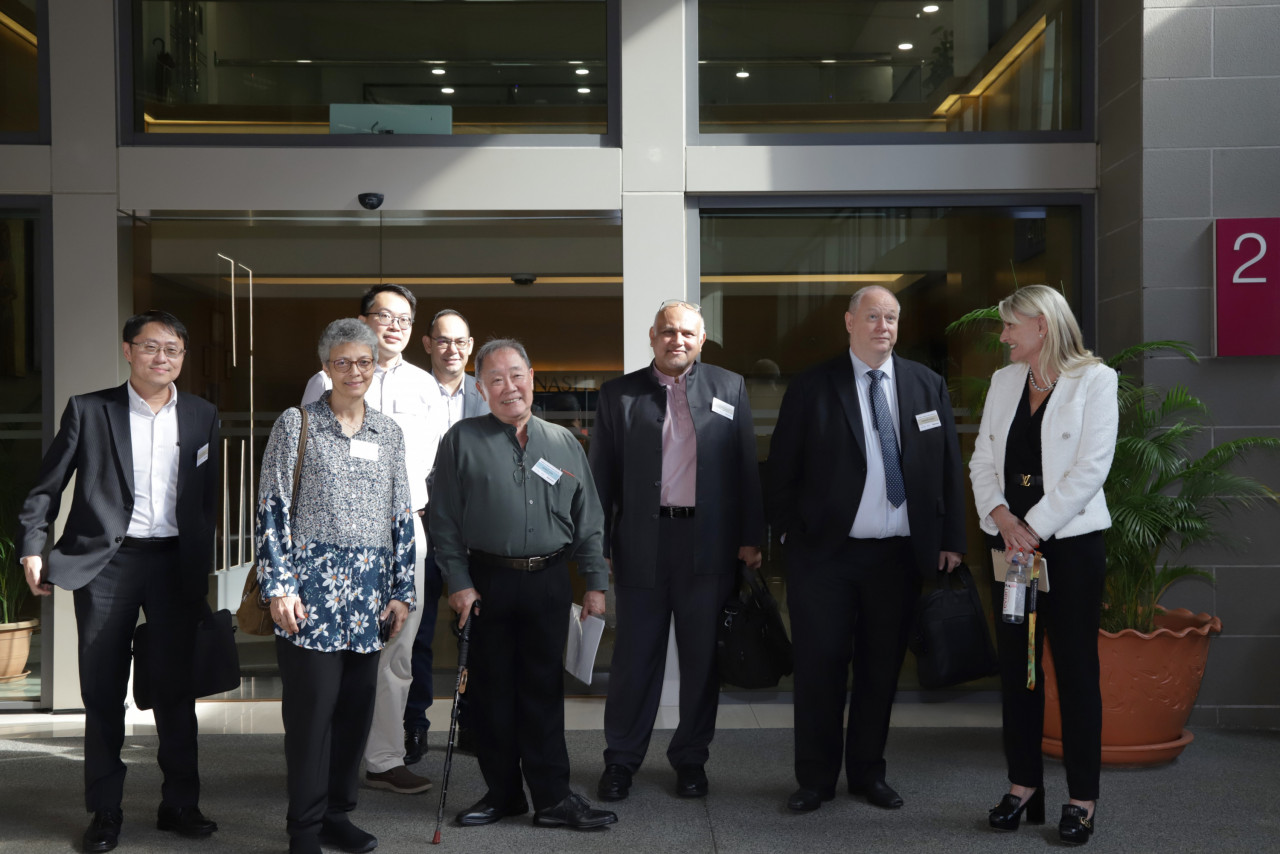
Seven speakers gave their views on AI and tertiary education at a recent seminar, looking at the topic through different lenses. Unsurprisingly, this led to a wide range of views that led to healthy debate and discussion.
The first speaker, Sharifah Munirah Alatas set the context, saying that ChatGPT is just another in a long line of issues that tertiary education has had to face. In the Malaysian context this includes the politicisation of education, as well as three largely ignored phenomena that have negatively impacted Malaysia’s universities – intellectual imperialism, academic dependency, and coloniality. It is hoped that AI can be harnessed to address these issues.
Two speakers focused on AI and the transformation of tertiary education. Prof Dr Ho Chin Kuan spoke about how AI can transform and shape the future of higher education. This will include personalised learning and administrative efficiency. There would inevitably be challenges such as data privacy and bias, the need to ensure responsible AI development and ensuring that the systems are secure. It is also important to equip students to enter the world of work with the necessary AI skills.
Prof Beverley J. Webster considered the education reforms around the use of generative AI in tertiary education. As AI tools develop the higher education sector is witnessing a historical and transformational shift in the way we shape learning teaching and assessment. This poses significant challenges, as well as many opportunities, as we require reforms and policies that are ethical in their use of generative AI. Prof Webster also drew on some of the changes that have been made at Monash University Malaysia in response to generative AI being widely available.
Two speakers next addressed how AI is affecting the research environment. Dr Goh Hoe-Han pointed out that we have already seen papers that have had ChatGPT listed as an author, which has now been recognised as not being appropriate. Yet, generative AI can help in many tasks for researchers such as correcting grammar, writing abstracts, automating literature reviews, analysing vast datasets, and summarising a set of papers. The challenges arise when you ask where the boundaries are and if using generative AI is ethical and should be allowed under certain conditions and how should this be declared.
Prof Dr Graham Kendall presented a rather bleak view on the integrity of the scientific archive. There are already problems with predatory journals where little, if any, peer review is undertaken. This was exemplified by showing three papers that had passed peer review and had been published when even a cursory look would have revealed they were nonsense. Prof Kendall also spoke about paper mills, which is the production of scientific papers, which have little, if any, merit, and the selling of authorships, where authors pay a fee to be an author on a paper when they have made no contribution. The conclusion was that generative AI is a significant opportunity to these unethical practices and the 350-year-old scientific archive is in grave danger.
Future of workplaces and universities
In the last topic, again with two speakers, AI through an industrial lens was considered. Prof Nafis Alam gave a brief history of FinTech, which stretches back farther than you might imagine and then considered how AI and machine learning are about to take centre stage in FinTech by automating complex financial decision-making processes and risk management. Quantum computing will offer increased computational speed and security. Generative AI will be used more and more for tasks such as financial forecasting, investments, and strategy planning. Alam concluded that ChatGPT will have a significant effect on FinTech.
Taranjeet Singh spoke about how Large Language Models will affect almost every aspect of our lives. In his talk he focused on human capital and what impact will this new technology have on society as a whole? There are many positives, but also many negatives that have to be managed. Taranjeet also shared his views about the changing demands on leaders, managers and businesses and the inevitable impact AI will have, and is having, on the workplace. There will be an impact of the types of future jobs that are required and those which can now be carried out by AI. The industrial sector has to move quickly to meet and embrace these changes.
The panel discussion moderated by Assoc. Prof Ts Dr Tan Chin Ike touched on some difficult questions, such as what the future of universities is and what purpose they should serve. The questions and views from the audience were also challenging and insightful.
The global community cannot just expect the challenges and opportunities presented by AI to be addressed without planning, innovation, and a realisation, as one speaker said, that “AI will do more for humanity than the invention of fire and electricity”. Planning for AI and a seamless execution is essential.
The seminar was held on 31st October 2023 at Monash University Malaysia and was co-hosted by the Good Capitalism Forum and Monash University Malaysia. It was sponsored by the Vinod Sekhar Foundation. Videos of the talks will be available soon. – The Vibes, November 20, 2023