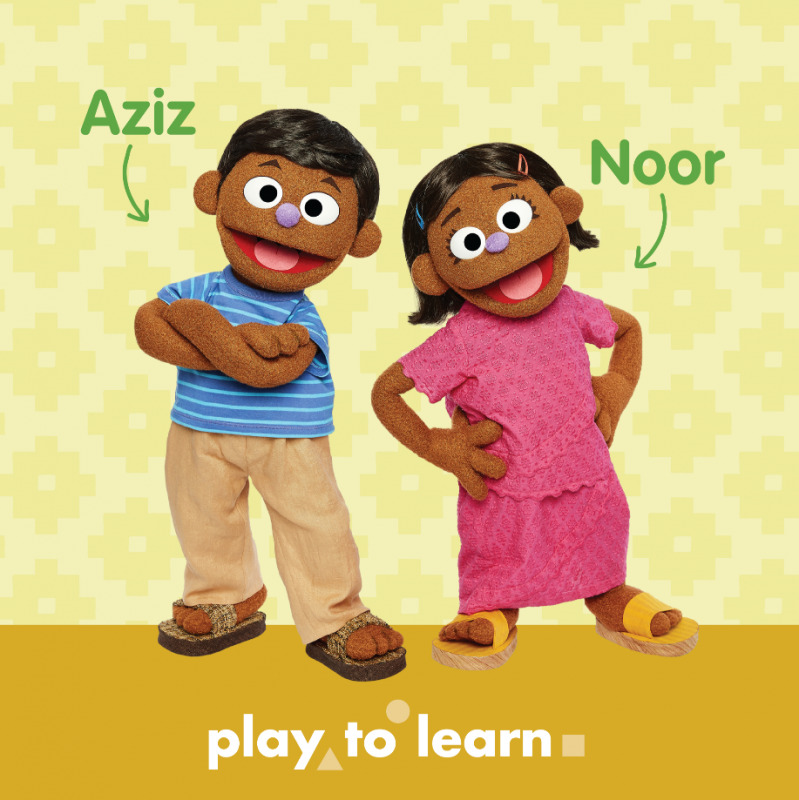

ALONG with NBC’s recent announcement about Sesame Street’s new Rohingya characters, their digital news has stirred up bitter comments from the public.
Sesame Workshops’ purpose in creating the Rohingya brother-sister duo is to promote and aid education for the refugee children in Bangladesh refugee camps; to answer a cry for help within their community.
Yet, some seem to have misunderstood this effort, thinking that the act of reaching out to help others in a different country is an action of negligence towards our own.
As netizens voiced out their discomfort with Sesame Street’s effort to encourage and promote education, we get a great sense of red herring – an argumentative fallacy that diverts attention from the real issue by focusing on an issue that only has surface relevance to the first.
Among the few dissatisfied comments is Mark Lauzon’s view that the obvious situation of refugees does not need to be emphasised anymore, and more importantly, that they are not brought into the country.
“Do we really need this woman to state the obvious about the Children (sic). No. But DON'T bring them here. Our glass is full. Send some aid...food and MAYBE security. They want a certain way of life then gather together and fight like we did in 1776.”
The belief that the Rohingya community can "gather together and fight" for the life they want is clearly a lack of understanding from the point of view of privilege.
But more importantly, Lauzon’s comment shows a misunderstanding of Sesame's key effort.
When The Vibes reached out to a social worker who works with refugee children, he commented that individuals like Lauzon don’t fully grasp the situation of a refugee.
“I don't think they fully understand the purpose of the video. They assume that the refugees would be resettled in their country. I saw a comment that said, they are struggling to pay rent. But these kids are struggling to even have normal meals. I don't think they fully grasp the situation of a refugee.”
This is where we see the red herring fallacy come into play, people who argue about an issue without addressing the actual issue, which is to educate the children in the refugee camps in Bangladesh with Muppet characters.
Mark Lauzon may not be Malaysian, but we have our fair share of Lauzons in the country.
Sesame Street’s new Rohingya characters may not be related to Malaysia, but like the few unhappy comments made, many of us carry a vendetta against issues that we do not fully grasp.
Not too long ago, Malaysia had her very own "Say No to Rohingya" movement to deport Rohingya refugees because we believed that they were the reason the coronavirus was fast spreading.
We went from being a society who stood by each other when the Covid-19 pandemic started, to a society who #kitajagakita, and not in a good way.
We rode on our privilege and made comments on how people and organisations who aided the refugee community, specifically the Rohingya community, were traitors for not helping poor and hungry Malaysians first.
Again, forming a red herring argument to the issue.
So, what difference is our “balik Rohingya” (return to Rohingya) comments to comments made by individuals like Lauzon?
We carry the same sense of belief that by aiding the Rohingya community, who was forced to flee from their country for safety, and are treated like cheap labour in Malaysia, we neglect the others in the country.
We turned a mindful hashtag, #kitajagakita, into a xenophobic tool to segregate ourselves from the refugee communities in Malaysia. – The Vibes, December 19, 2020