


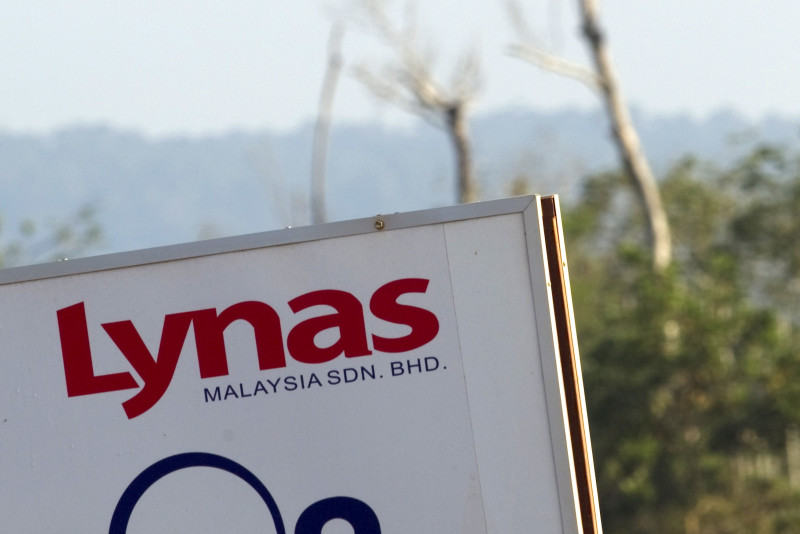
THE construction of Lynas Malaysia’s permanent disposal facility (PDF) for radioactive waste has reached 72 percent completion and is expected to be fully operational by the end of 2026, Science, Technology and Innovation Minister Chang Lih Kang told Parliament today.
Although slightly behind the original target of 82 percent, Chang said the project remains on track and is progressing satisfactorily.
“This facility is being built in phases, and so far four cells — Cell A, Cell B, Cell C and Cell D — have been completed and are currently being used to store Water Leach Purification (WLP) waste,” he said during a ministerial question session in the Dewan Rakyat.
He was responding to a supplementary question from Jamaludin Yahya (PN–Pasir Salak), who had raised concerns over Lynas’ radioactive waste management, the need for a Health Impact Assessment (HIA), and long-term mitigation strategies.
Addressing the potential need for an HIA among communities near the Lynas plant in Gebeng, Pahang, Chang clarified that there is currently no requirement for such a study.
“There have been no reports indicating an increase in health-related cases in the area. An HIA will only be conducted if deemed necessary by the Ministry of Health, but to date, there has been no such feedback,” he said.
In response to questions about adherence to international standards, Chang stressed that Lynas is required to comply with the approved Radioactive Waste Management Plan under the oversight of the Atomic Energy Licensing Board (AELB).
“The AELB conducts regular inspections to ensure compliance with Act 304 and all licensing conditions. Radiological monitoring is also carried out both within and outside the plant premises,” he added.
“Monitoring data shows no rise in radiation levels, and exposure remains within safe limits — not exceeding 1 millisievert per year for the public, and 20 millisieverts per year for workers,” said Chang.
To a further question from Dr Mohammed Taufiq Johari (PH–Sungai Petani) on the government’s long-term strategy for radioactive waste management, Chang noted that waste generated from other sectors, such as medicine and research, is managed by the Malaysian Nuclear Agency under strict standards aligned with those of the International Atomic Energy Agency (IAEA).
Malaysia currently operates two permanent disposal facilities: one in Lahat, Perak with a capacity of 90,000 metric tonnes, and another in Gebeng, Pahang with a capacity of 1.6 million metric tonnes.
“With the establishment of the SES Fund (Radioactive Waste Management Fund), we hope to manage radioactive waste more effectively and systematically,” he said. - October 9, 2025











