


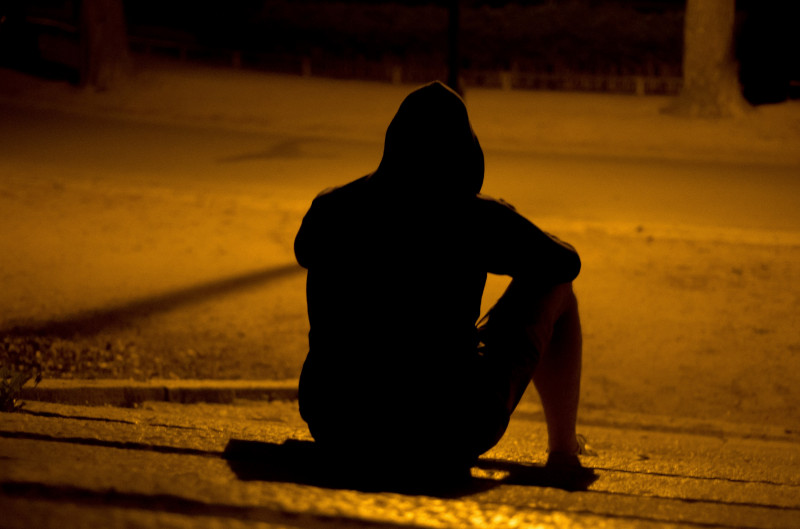
THE rise in violent behaviour and extreme acts, including shocking murders, is being fuelled by social media and modern lifestyles, experts warn.
Associate Professor Dr Fauziah Mohd Saad, a psychologist and counsellor at Universiti Pendidikan Sultan Idris (UPSI), said constant exposure to violent content online is desensitising society, with some individuals beginning to perceive brutality as normal.
"When society sees violent videos or news too frequently, it can normalise violence," she told Harian Metro. "Additionally, the culture of going viral and the desire for attention leads some individuals to act in extreme ways just to be noticed."
Dr Fauziah highlighted the pressures of modern life, including heavy workloads, academic competition, and financial strain, which can leave people mentally exhausted, isolated, and lacking empathy.
"Many now live under pressure without genuine social support. They appear active on social media but are actually alone, trapped in their own world. In such a state, emotions can erupt easily."
She explained that brutal acts rarely occur spontaneously, but are usually the result of multiple factors, including trauma, extreme emotional stress, poor self-control, and untreated mental health issues.
"Individuals who have experienced abuse, bullying, or violent environments may lose empathy. When stress peaks, feelings of anger, disappointment, betrayal, or shame can trigger uncontrollable behaviour."
Dr Fauziah also noted the influence of toxic online communities, which foster extremist thinking, hatred, and revenge. "Interaction in such groups can instil the idea that violence is a solution. This is extremely dangerous because it undermines human values and empathy."
She warned that increasing individualism and self-centredness in society further reduce compassion. "With fewer real social connections, many feel lonely even with many 'online friends'. When there is no safe space to express emotions or feel accepted, negative feelings can turn into hatred."
Substance abuse, including alcohol and drugs, can also impair self-control and provoke violent behaviour, she added.
To prevent such tragedies, Dr Fauziah stressed the importance of early intervention and emotional support within families.
"Family members should be alert to behavioural changes such as irritability, withdrawal, loss of empathy, or obsession with violent content. Such changes are not merely 'mood swings'; they are signs of emotional stress that need attention."
She recommended open, two-way communication between parents and children, monitoring digital activity, and encouraging participation in community and spiritual activities to cultivate empathy.
"Violent content can reduce empathy, so parents should limit screen time and know who their children interact with. At the same time, encourage involvement in community and spiritual activities that instil human values."
Dr Fauziah also advocated emotional education from an early age, teaching children to manage anger, resolve conflicts non-violently, and express stress healthily.
"Emotional skills are like a vaccine; they protect against violent behaviour under pressure. Early access to professional help from counsellors and psychologists is crucial. The sooner intervention occurs, the lower the risk of tragedy. Don’t wait until it’s too late."
Recent gruesome murder cases in Malaysia have drawn attention to this alarming trend. Dr Fauziah said the phenomenon reflects not only crime but also social pressures, a loss of empathy, and society’s failure to listen to emotional distress.
"These incidents are a clear warning that emotional stress and mental health issues must not be ignored. They are not merely personal tragedies but mirror deeper social problems in modern society." - November 3, 2025







