DESPITE adopting the use of AI, overhauling digital systems, or acquiring businesses, a company may still fall short of its expected growth if its people and organisation do not move with the change.
The challenge is no longer simply about the implementation of a new technology or strategy, but getting the organisation to work differently as a result.
According to K-Pintar Sdn Bhd chief executive officer RA Thiagaraja, organisations today face multiple changes and not just one major transformation at a time.
“Businesses can change their technology, but they cannot alter the way an organisation thinks and works overnight.
“The real value of transformation comes when people, processes and culture move with the business decision,” he said.
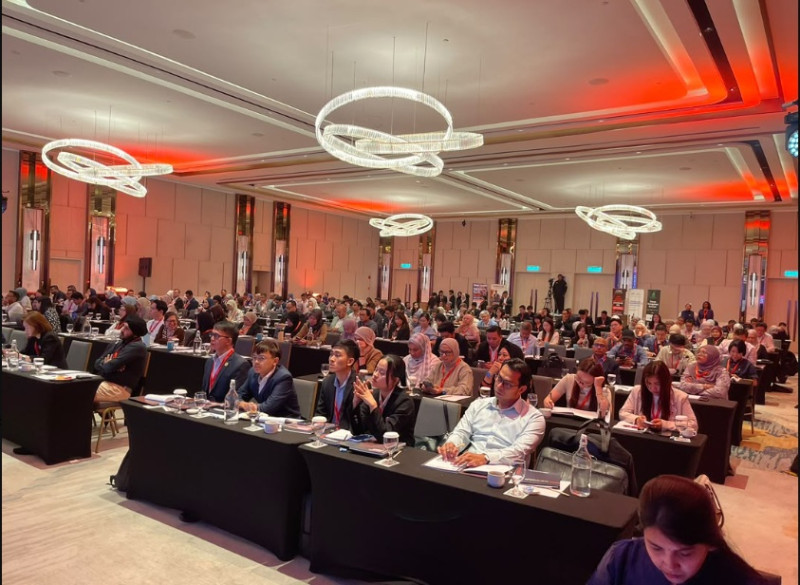
Thiagaraja said this at the recent Asian Change Management Conference (ACMC) 2026, themed “Shaping Tomorrow: Driving Lasting Change”.
Now in its third edition, the conference is positioned by K-Pintar as a platform for strengthening organisational change capability across Asia.
This year's programme places emphasis on making change sustainable rather than treating transformation as a one-off project.
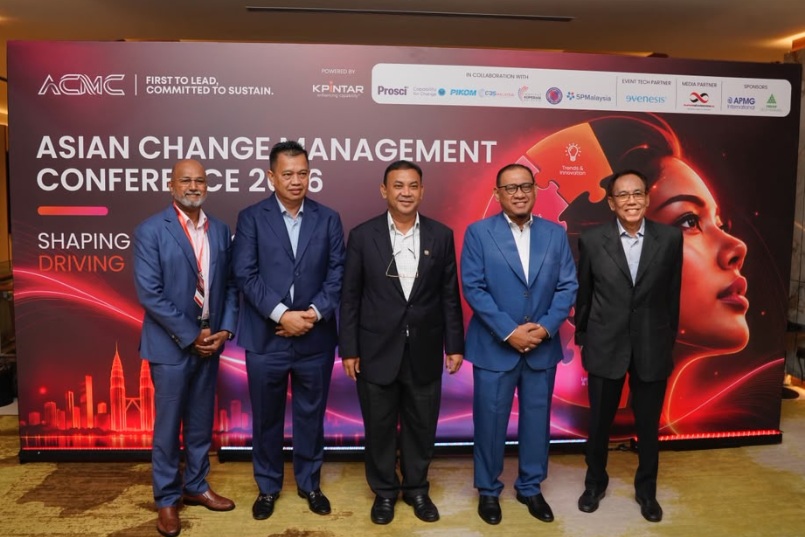
Political Secretary to the Prime Minister, Datuk Azman Abidin (centre), and K-Pintar CEO RA Thiagaraja (left) with other guests
Thiagaraja said artificial intelligence was making this challenge more visible because its introduction could alter jobs, workflows, decision-making and the skills employees needed, rather than simply adding another tool to the workplace.
For businesses, this meant the success of an AI investment could not be measured only by whether the technology had been deployed, but whether employees adopted new ways of working and whether those changes improved business performance.
The same principle applied to wider digital transformation, where organisations could replace systems without necessarily changing the processes or behaviours that limited performance in the first place.
“Technology should enable the change the business needs. It should not become a substitute for deciding what needs to change in the first place,” he said.
While systems can be integrated and structures redrawn relatively quickly, bringing employees together requires changes in culture, leadership, decision-making and established ways of working. Thiagaraja said this was where change management could influence whether the expected value from a transformation or transaction was realised.
“When two organisations come together, the deal may create the opportunity for growth, but people determine how quickly that opportunity becomes reality. If teams remain divided by different ways of working, the business cannot fully realise the value of the change,” he said.
He said culture should therefore be treated as part of business transformation rather than an issue left to human resources, particularly when organisations were introducing new technology, entering new markets or integrating businesses.
The objective, he said, was ultimately to help organisations become capable of responding to change without repeatedly having to start from scratch.
Meanwhile, Melanie Franklin, Global Change Management Thought Leader & Founder of ChangeabilityPro, said the nature of change was itself changing, with organisations facing multiple and continuous changes rather than isolated transformation projects.
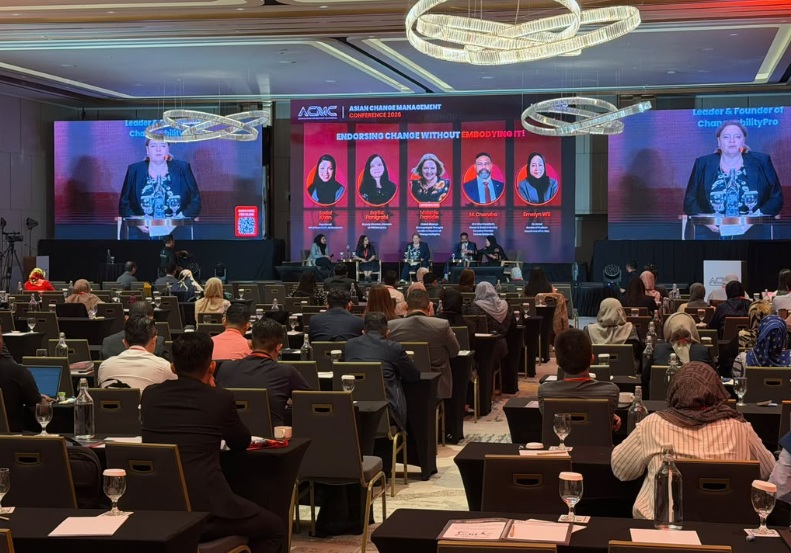
“This required organisations to build change capability across the workforce, rather than relying solely on top-down approaches,” she said in her presentation.
She also highlighted the growing role of AI in transformation, saying organisations needed to consider what should be done by technology and what remained distinctly human, including judgement, insight and critical thinking.
ACMC 2026 brought together change management practitioners, business leaders and transformation experts from Asian countries to examine how organisations can move beyond implementation towards adoption and lasting results. – October 9, 2026