DOHA – Freya the dog was found with "half her face blown off", Bernie was stabbed and badly burnt, Diana is struggling to raise her puppies after being riddled with pellets: strays in Qatar are facing a spike in abuse.
The Gulf nation has long struggled with animals abandoned by departing expatriates, and the number of strays has surged with dogs and cats acquired during coronavirus lockdowns being ditched as normality returns.
Rescuers now say the completion of building projects ahead of the 2022 World Cup has forced more strays into residential areas – where many fall victim to abuse.
"The suffering we see is terrible and it's getting worse," said one rescuer, who receives calls almost weekly to save dogs who have been shot or deliberately run over.
A 2004 law criminalises mistreatment of animals but enforcement is inconsistent, volunteer rescuers say.
"Dogs are unbeloved" because some believe that Islam teaches that they are dirty, "which is far from the truth," one told AFP.
"It doesn't give you the right to torture or kill them."
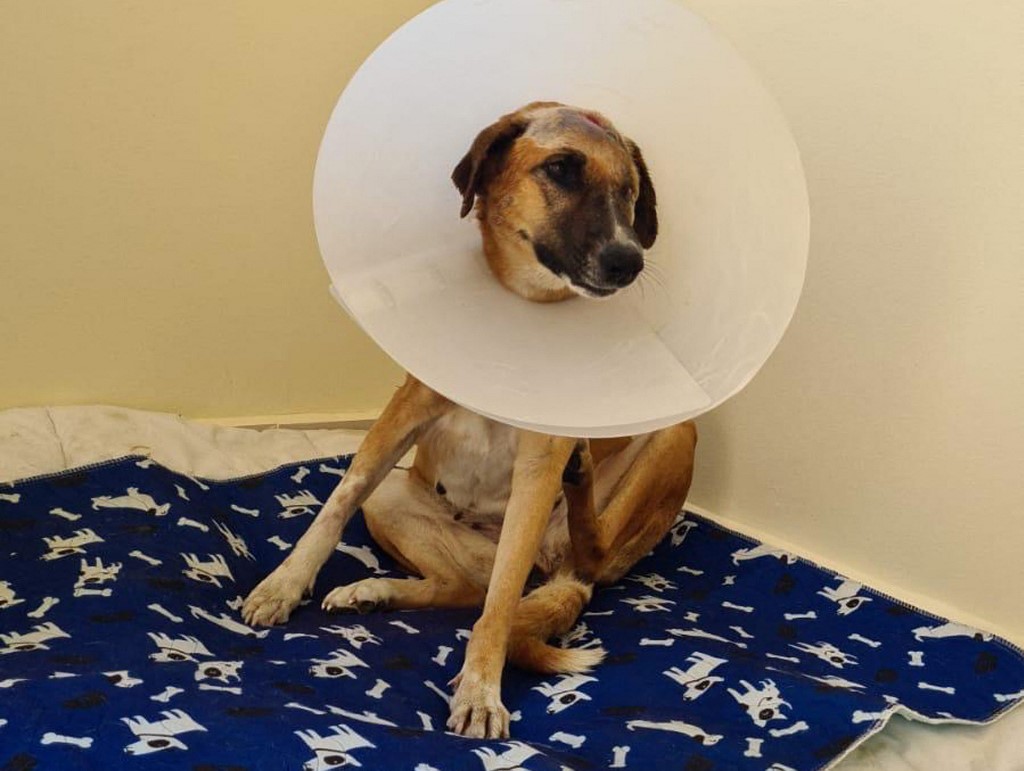
Qatari rescuers and their expatriate supporters often exchange images of the latest incidents on social media.
Shootings and stabbings are commonplace.
"Our vets' bills have gone through the roof," said one manager of a shelter for strays, asking not to be named.
Informal networks of rescuers, some operating shelters with a few dozen spaces for abandoned animals, seek to save as many as possible -- but they are pressed for funds.
And on top of those challenges, shelters have struggled for legal recognition in the absolute monarchy, where criticism of authorities and civil society lobbying are rare.
Their lack of status complicates the shelters' work and fundraising efforts.
"We have corporate sponsors willing to donate but we can't accept their money," said the shelter manager.
'A good solution'?
Close to the newly built Al-Thumama World Cup stadium, rescuers and a veterinarian trapped a dog that had strayed into a street of upmarket villas, disturbing homeowners.
Rescuers try to intervene in such cases before the police, so they can ensure the animals are resettled safely.
A recent government scheme to clear stray dogs from Qatar's streets prompted a rare public outcry.
Animal rescue groups challenged authorities to explain how their strategy would improve the situation.
Uniformed officers posed alongside dogs caught by "Operation Pity", local media showed, but rescuers complained of an information vacuum.
Hundreds of Qataris and residents posted online comments demanding proof the animals would be treated humanely, and stories were widely shared in Facebook groups dedicated to animal welfare.
One Western embassy said it has tried to engage with Qatar on animal welfare, but received little response.
Rescuers have voiced fears that government-run facilities could quickly fill up and resort to euthanising dogs.
They also warn that Qatar's response is unlikely to adequately address the plight of the country's strays, estimated at some 50,000.
The government insisted in a statement that "no dogs caught during the initiative have – or will be – euthanised."
But rescuers question what will be done with problem cases.
"What are they doing with the sick dogs and the ones who are very aggressive?" asked expat animal rescuer Alison Caldwell.
The government said all captured dogs "receive the necessary medical care and are neutered, vaccinated and rehabilitated before being placed for adoption".
It added that two facilities held animals awaiting resettlement, but the rescue community says images of the sites suggest they are inadequate.
"It doesn't look to me like a good solution, they are holding pens for livestock," Caldwell said. "That is exactly the sort of thing that will spread disease, fighting, and pregnancies." – AFP, March 29, 2021