IN recent years, the lingerie and swimwear sectors have taken a 180-degree turn, in order to reduce their environmental footprint. This revolution involves the use of sustainable materials and recycled fabric scraps as well as the use of transformed plastic waste collected from the oceans.
One thing is for sure; there's no shortage of choice this summer from brands demonstrating their innovative initiatives.
The green revolution in the swimwear industry started taking shape long before the onset of the global pandemic but it seems to have accelerated its pace in recent months to meet the challenges of sustainability and to respond to new consumer expectations.
While a handful of brands launched such initiatives last year, offering more sustainable collections, eco-designed swimsuits have now nearly become the norm, it seems. And most of the new collections are putting them front and centre.
Swimwear looks to upcycling
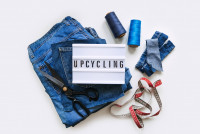
Upcycling consists in recuperating end-of-life or unused material remnants in order to transform them into new, high-quality products. It's a process that ready-to-wear brands are now extremely adept with, and which swimwear brands like to use.
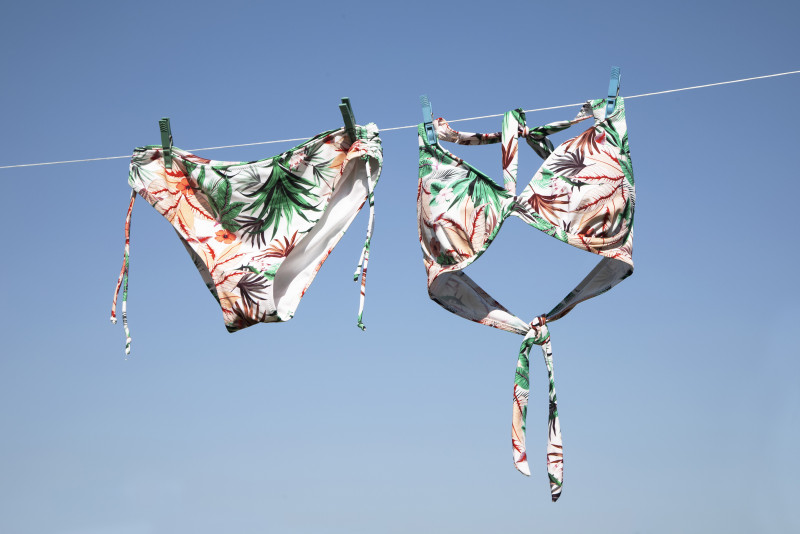
For swimsuits, it consists mostly in using fabrics that have been lying dormant in factories, which have not been exploited for various reasons, and transforming them into bikinis, trikinis, and other ultra-trendy swim items.
Brands like Triumph, Roseanna, Banana Moon, and Anja Paris, to name a few, have created entire collections of swimwear made from fabrics that, just a few years ago, would never even have been used. It's a good way to reduce waste, and, by extension, the pollution that waste can generate (just like the use of new fabrics).
One brand, Daiva is going even further in its commitment to greener production. Until now, it designed exclusive and unique prints for each of its collections. But in order to reduce waste, it has chosen to recover fabric scraps from unused bestsellers to create part of its collection by upcycling. A choice that reflects the determination of brands to accelerate their transformation to having a lighter environmental footprint.
Starring Econyl and Seaqual
To reinvent itself, the swimwear industry is also turning to new fabrics that are less harmful to the planet. When shopping for your new swimsuit, you're likely to come across the terms "Econyl" and "Seaqual," two fibres that have become essentials in swimwear – although they're not the only ones.
The first one, trademarked by Aquafil, is a regenerated and infinitely recyclable nylon fibre made from waste collected in the oceans and in landfills. The second one is based on the same principle, as it is about using plastic marine waste to give life to a textile fibre.
By now there's no need to explain why these types of new materials have been emerging for months as responsible alternatives for a sector facing new environmental challenges. Many brands are introducing or reintroducing these two materials this year to offer more eco-friendly models.
Some of the brands using them include Benetton for men's and women's styles, S M K x Blue Orb, Dula Swimwear, Shoshanna, Scylla for men's styles, OceaLah and Atelier Unes.
Natural rubber, another alternative
When it comes to more technical swimwear and wetsuits for surfing, another material is emerging – and on the way to replacing neoprene in the long term: Yulex natural rubber, a renewable and plant-based material that has the same technical characteristics as neoprene, which is particularly polluting.
This material has been marketed by Patagonia for years and seems to be attracting a lot of attention and inspiring others around the world. Other sustainable alternatives have also emerged in recent years in this sector, demonstrating once again the willingness of brands to pursue and accelerate their efforts to be more sustainable.
All that to say that it will be hard not to wear a 'greener' swimsuit this summer. – ETX Studio, June 10, 2021