RESEARCHERS from the Broad Institute at MIT and Harvard and the Ragon Institute at Massachusetts General Hospital studied cells collected during the initial diagnosis of Covid-19. They compared the results of patients who developed a mild form of Covid-19 to those from people who went on to develop a more severe form of the disease. They found that patients with severe forms of Covid-19 had a much more blunted antiviral response than those who had a mild illness. Their findings are published in the journal, Cell.
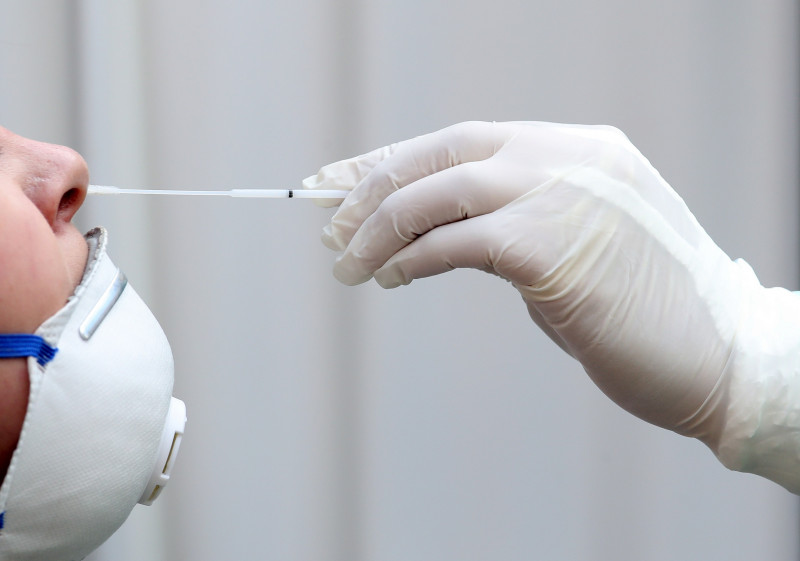
To conduct the study, researchers analysed nasal swab samples (used in PCR testing) from 58 people. Of these, 35 were from people with Covid-19, ranging from mildly symptomatic to critically ill. They also collected swabs from 17 control subjects and six patients who were intubated but did not have Covid-19.
RNA in the fight against infections
They then looked for factors indicating the body's response to the virus. To see how cells were reacting, the researchers looked for RNA, or ribonucleic acid. Indeed, "cells use RNA as instructions to make proteins," the researchers explain. This can help understand how cells are reacting to a viral infection.
The researchers found that people with mild Covid-19 had an antiviral response "driven by a family of proteins called interferons," reports the study. This antiviral response was much more muted in patients who went on to develop severe Covid-19. Moreover, those who developed a severe form "had higher amounts of highly inflammatory macrophages, immune cells that contribute to high amounts of inflammation, often found in severe or fatal Covid-19."
The researchers also identified certain infected host cells and associated responses that were "unique to patients that went on to develop a mild disease."
"If further studies support our findings, we could use the same nasal swabs we use to diagnose Covid-19 to identify potentially severe cases before severe disease develops, creating an opportunity for effective early intervention," concludes Carly Ziegler, one of the study's co-first authors. – ETX Daily Up, July 28, 2021