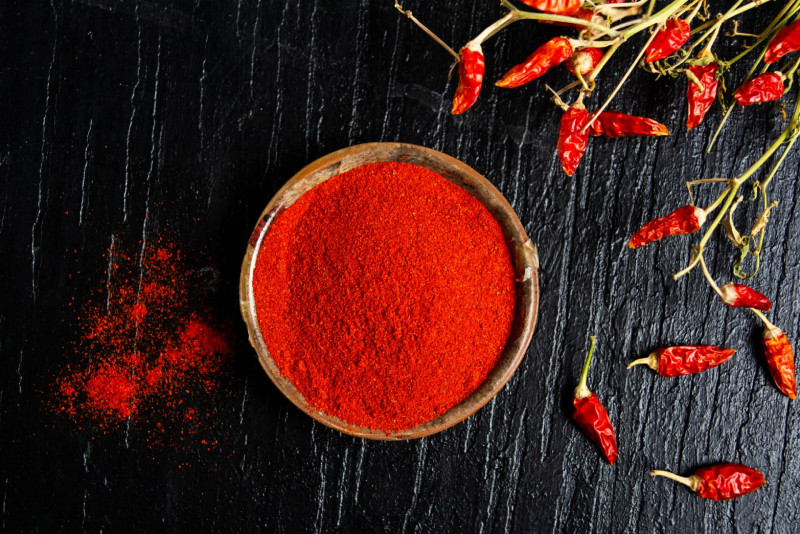
PAPRIKA is set to spice up our lives with global market growth of nearly 5.8% by 2026, according to researchers in the US, who foresee an increased appetite for this mildly spicy condiment. As well as being used in food, the spice is likely to make its way into some unexpected products, like day creams and medicines.
Some of paprika's medicinal virtues are already known, such as its power to unblock sinuses or to clean the pores of the skin. However, the spice appears to have many other properties, from anti-oxidant to anti-inflammatory and even anti-depressant. Manufacturers are increasingly looking to these qualities, with a slew of new cosmetics in the pipeline, according to a report from Research & Markets. According to the analysts, demand for paprika is set to grow in the coming years, especially due to the recently discovered anti-bacterial and anti-fungal properties of the ingredient.
And when it comes to food, consumer demand for spicy flavors is also likely to drive demand for paprika. In 2019 alone, the global paprika market accrued almost US$458.1 million. The spice could also find use as a natural coloring agent for new foodstuffs.
Where does paprika come from?
Whether for marinades, adding flavor to a bowl of cooked rice or for tandoori chicken, paprika is a spice-rack essential. But did you know that the spice is made from a type of pepper originating in the Americas? Its mildly spicy flavor was introduced to Europe by Spanish colonists.
However, paprika is now also made in Hungary, where it is used to flavor traditional dishes like goulash. The Hungarian population developed a taste for paprika during the Napoleonic wars, when it was used as a substitute for pepper, an inexpensive way to add flavor to dishes.
In Serbia, the ingredient is celebrated every fall in the village of Donja Lokošnica, in the south of the Balkan country, where life revolves around these little red peppers. – ETX Studio, October 27, 2020