Food

City of London has lost one in seven pubs and bars since 2020

Study also finds some residential areas registering fewer closures as remote workers utilise premises there

Updated 4 years ago · Published on

City of London has lost one in seven pubs and bars since 2020
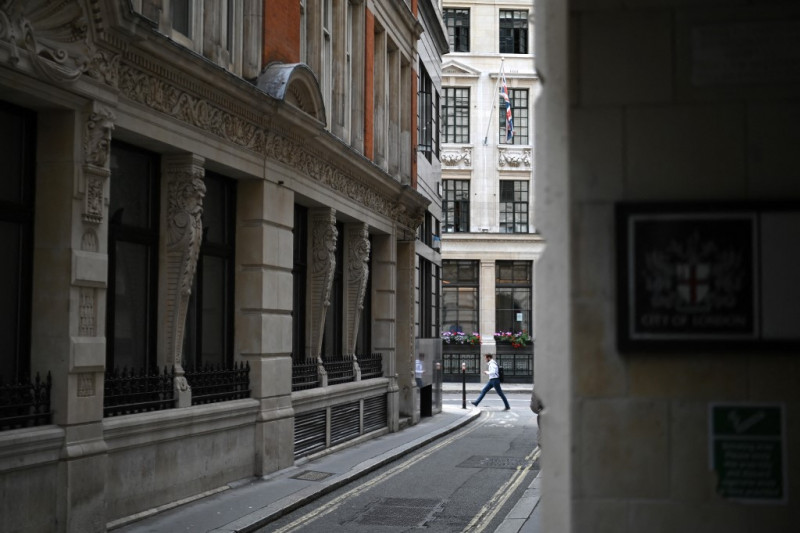
A solitary pedestrian walks in the City, a square mile in the heart of London traditionally home of the finance industry on August 6, 2020. – AFP file pic, August 16, 2022

LONDON – The City of London financial district, one of the world's leading business hubs, has lost one in seven of its bars and restaurants since the pandemic, according to research published on Monday.

The City's loss of pubs, bars, restaurants and other licensed premises since March 2020 is steeper than across the entire British capital, where there has been a 10% decline, the study by CGA and AlixPartners found.

The pandemic-fuelled switch to more working from home and other flexible work arrangements is blamed for the trend, with some London residential areas registering far fewer closures as remote workers utilise premises there.

"In these areas, people who previously commuted into central London instead worked at home... and increasingly used their local pubs, bars and restaurants rather than travelling further afield," the research noted.

It found that the number of such closures in the City – which is known as the Square Mile, due to its size – were higher than in the business districts of other major UK cities, such as Manchester or Edinburgh. 

"The City of London's hospitality market was hit harder than most city-centres by Covid-19, with lockdowns and restrictions limiting commuting and tourism initially," Karl Chessell, CGA's director for hospitality operators and food, said.

"However, shifts in working patterns are going to be permanent for many, and this has led to a sustained impact on the centre of the capital."

Chessell added that it was "not all doom and gloom, with other parts of London proving more resilient".

A recent study by Advanced Workplace Associates (AWA) found average attendance in offices is just 26%, with peaks in the middle of the week of no more than a third of employees.

"Hybrid working appears to be here to stay," it concluded. – AFP, August 16, 2022

Related News

People / 1mth

Prevention and early detection vital to reduce NCD rates, says Penang Exco

Malaysia / 1mth

Sarawak deputy premier warns of increasing threats of vaping

Malaysia / 1mth

Haze: MOH issues strict guidelines to ensure public health

Malaysia / 1mth

Malaysia tightens border security: Crackdown hits Thai workers hard along northern frontier

Opinion / 1mth

New paradigms in community development needed in Malaysia

Malaysia / 1mth

Dr Noor Hisham denies claims that the Pfizer vaccine caused deaths

Spotlight

Malaysia

Anwar receives special recognition as 10,000 Muslims gather in Putrajaya

Malaysia

Video of elderly man being assaulted goes viral on social media

Malaysia

The wide reach of corruption and organised crime in the country

Malaysia

Malaysia pushes to give smaller economies stronger voice in Asia-Pacific trade – Anwar

Malaysia

No tsunami threat to Malaysia after 5.4-magnitude earthquake hits Banda Sea

Malaysia

Who is calling the shots in Negeri Sembilan as Ismail’s position comes under scrutiny?

Opinion

Ayob Khan: When the uniform comes off, the principles remain

Malaysia

MySiren to send emergency alerts to compatible phones nationwide from Nov 29 test

You may be interested

Community

BOH contributes RM50,000 to Malaysia’s homegrown cancer vaccine research

Events

Seven companies selected for RM15m corporate innovation programme

By Alfian Z.M. Tahir

Health

Selangor records 18,451 haze-related illnesses, with Petaling clinics hardest hit

Our Planet

Beaver Supermoon lights up November skies, begins four-month celestial spectacle