Animals

Doggone: wet pet food ‘seven times worse’ for climate than dry

The study looked at impact on greenhouse gas emissions, land use and water usage

Updated 4 years ago · Published on

Doggone: wet pet food ‘seven times worse’ for climate than dry
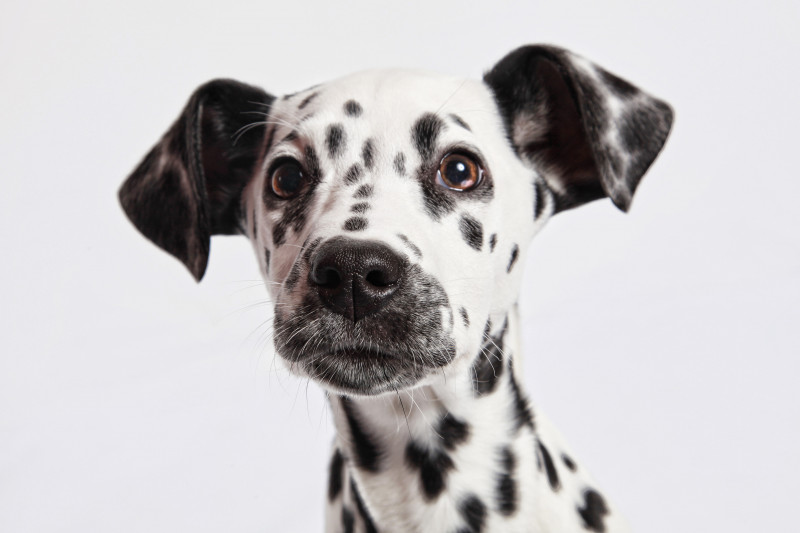
According to the PetSecure website, cited by the study, the United States has the world's biggest dog population with over 69 million. – AFP pic, November 19, 2022

FEEDING cats and dogs wet food has a much larger climate impact than dry food, a new study found, suggesting small changes by pet owners can massively reduce their carbon footprint.

The Brazilian study looked at the environmental impact – including greenhouse gas emissions, land use and water usage – of pet food, finding that there was more than a seven-fold increase in CO2 production for a wet diet compared to dry. 

"Wet diets for cats and dogs had the greatest environmental impact, particularly compared to dry diets," said the study from the University of Sao Paulo published in Scientific Reports. 

The study's authors examined the environmental impacts of the diets of 618 dogs and 320 cats in Brazil. 

They looked into commercial as well as homemade pet food, both wet and dry, and assessed the nutritional and calorific make-up of the different diets.

They estimated that a 10-kilo dog (22 pounds) consuming an average of 534 calories per day "would be responsible for 828.37 kilograms of CO2 per year when fed a dry diet, compared to 6,541 kilograms of CO2 per year for a wet diet."

That was 689% more for the wet diet. 

"Cat and dog owners could significantly reduce the environmental impact of their pets' diets by feeding them dry food (consisting of kibble or biscuits) rather than wet food with higher water content," it said. 

"These results highlight the extensive environmental impacts of pet foods, the need to make them more sustainable and an indication of how this may be achieved."

According to the PetSecure website, cited by the study, the United States has the world's biggest dog population with over 69 million and the most cats with more than 74 million.

China holds the number two spot for both, followed by Russia. – AFP, November 19, 2022

Related News

Malaysia / 3mth

Rescue efforts ongoing after fisherman finds cats abandoned off Pulau Ketam (video)

World / 6mth

Thai monk brings smiles as he sails with adorable temple dogs every morning (video)

Malaysia / 7mth

41 cat carcasses found in apartment, 36 more in critical condition

Malaysia / 8mth

Langkawi: 27 cats killed in house fire, owner suffers burns

Malaysia / 9mth

Cats found dead at recreation centre believed to have eaten poison

Animals / 9mth

‘Cat Burglar’ which once stole food now mascot for popular pet store chain

Spotlight

Malaysia

Anwar receives special recognition as 10,000 Muslims gather in Putrajaya

Malaysia

Video of elderly man being assaulted goes viral on social media

Malaysia

The wide reach of corruption and organised crime in the country

Malaysia

Malaysia pushes to give smaller economies stronger voice in Asia-Pacific trade – Anwar

Malaysia

No tsunami threat to Malaysia after 5.4-magnitude earthquake hits Banda Sea

Malaysia

Who is calling the shots in Negeri Sembilan as Ismail’s position comes under scrutiny?

Opinion

Ayob Khan: When the uniform comes off, the principles remain

Malaysia

MySiren to send emergency alerts to compatible phones nationwide from Nov 29 test

You may be interested

Health

Selangor records 18,451 haze-related illnesses, with Petaling clinics hardest hit

Community

BOH contributes RM50,000 to Malaysia’s homegrown cancer vaccine research

Our Planet

Beaver Supermoon lights up November skies, begins four-month celestial spectacle

Events

Seven companies selected for RM15m corporate innovation programme

By Alfian Z.M. Tahir