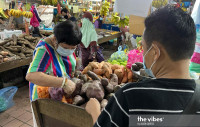

AN out-of-town visitor to Sarawak’s wet markets would be fascinated by the many odd looking fresh fruits and vegetables on display.
There is terung Dayak, a sourish yellow eggplant that is usually cooked in a stew with salted fish and eaten with steamed rice. There is midin – a wild jungle fern, when stir-fried with shrimp paste is akin to the popular 'kangkong-belacan' an all-time Malaysian favourite.
And yes, there is dabai, Sarawak’s answer to Mediterranean black olives. Dabai is also known as 'Sibu Olive'. Dabai makes a grand and delectable topping for fried rice, especially 'nasi goreng kampong'.
Being geographically diverse, Sarawak is home to an incredibly wide variety of wild fruits and vegetables including the inimitable 'engkalak'.
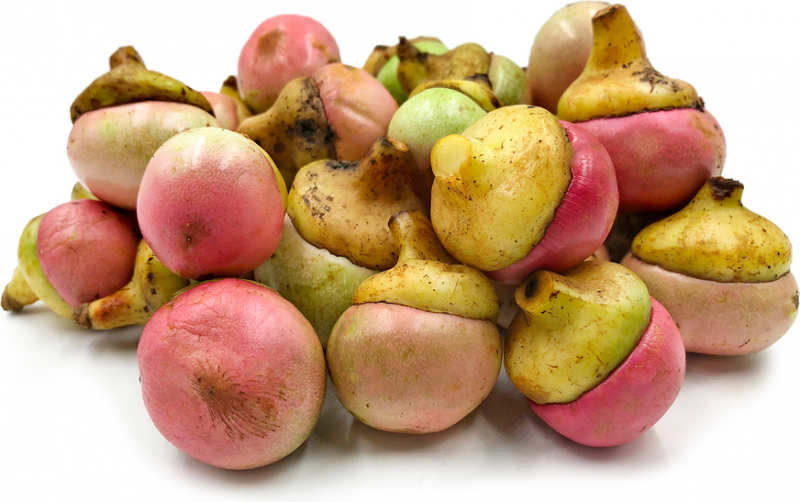
Engkalak or in its scientific parlance, Litsea garciae, is also known as Borneo Avocado as it is endemic to Borneo island and resembles the avocado in taste.
Botanically, engkalak belongs to the Lauraceae family which does include the avocado, among others. Engkalak is also commonly known as butter fruit, while the local natives call it buah tebuluh in Malay, tebulus, wuru lilin, kupa, bagnolo, lan yu mu, or ta'ang in the native and vernacular dialects.
The engkalak tree which used to grow in the wilds, is now being cultivated by some farmers for commercial purposes in the districts of Kuching and Bau in Sarawak.
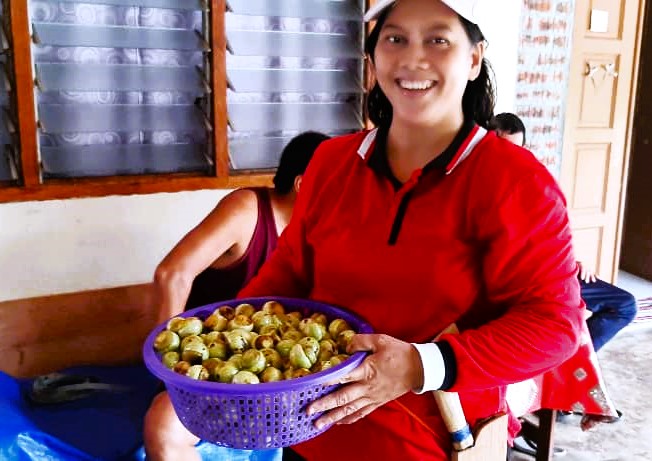
Housewife Eivenner Suria who hails from Lundu, 10km from Bau tells The Vibes: “The engkalak is not only eaten in a variety of ways but the native people who are very resourceful, have found ways to use other parts of the engkalak tree as native medicine.”
She said: “The Iban people use the lightly burned bark to treat insect stings. They also use a bark poultice to treat boils. The Selako tribes use a poultice of the leaves or shoots along with shallot and fennel seeds to cure infections and skin diseases and treat skin burns.
“The Penan also use a bark poultice for sprained knees, ankles, and muscular pains. Decoctions made from the bark are also used to help treat conditions such as blood in stools, and are mixed with the bark of the durian tree to make an antidote for snakebite wounds.”
According to her, the pulp of the engkalak is eaten either raw or steamed with rice. It can also be made into pickles using the greenish unripe fruits which are immersed in a jar of water with salt or vinegar and preserved over several days.
Eivenner said engkalak comes in two varieties – engkalak bulan, being the larger one, and engkalak bintang the smaller one but richer in taste. She said the engkalak is greenish when unripe and a gorgeous pink when it ripens.
“Most of these wild fruits and vegetables are eaten either cooked, boiled, pickled, or raw as in salads. Some people just boil the engkalak and sprinkle a pinch of salt over them and eat the fruit like a snack,” said Evener.
Eivenner also said that engkalak is gaining popularity not only as an edible fruit with health benefits but its oil can be extracted to be used in manufacturing candles and soaps – hence its other name, wuru lilin.
Though the engkalak was initially discovered growing wild and is believed to be endemic to Borneo, it is commercially cultivated and grown in villages across Brunei, Kalimantan, other parts of Indonesia, and the Philippines. – The Vibes, December 20, 2022