Wellness

Why more contact with nature could mean less need for medication

Visiting green spaces at least three or four times a week can lower the odds of using mental health drugs

Updated 3 years ago · Published on

Why more contact with nature could mean less need for medication
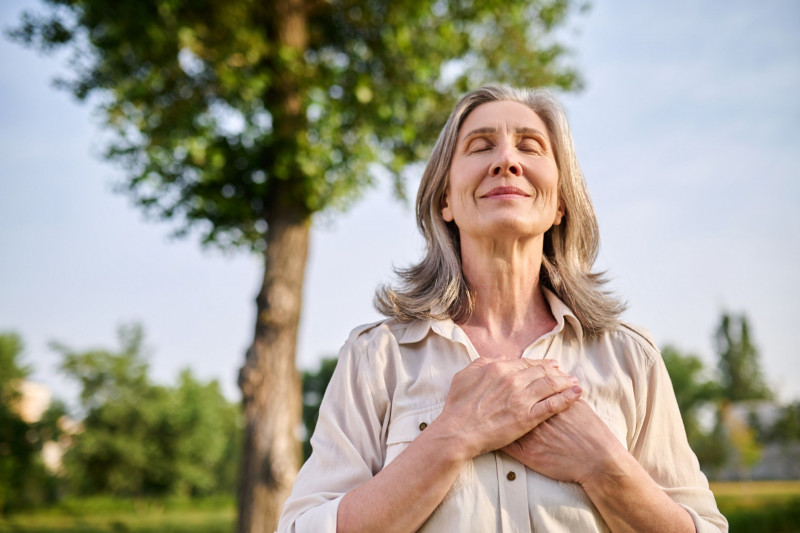
A recent Finnish study estimates that visiting green space three or four times a week could help limit the use of prescription medication. – ETX pic, January 21, 2023 

WHAT if the secret to cutting down on medication was to take forest baths, to get out in the garden, or to spend more time in the park next to your home? A recent study conducted by researchers at the Finnish Institute for Health and Welfare suggests that spending time in green space on a regular basis may reduce the use of certain prescription medications.

To reach this conclusion, the researchers drew on the responses of 16,000 residents of three major Finnish cities (Helsinki, Espoo and Vantaa), who were at least 25 years old and had participated in a national environmental health survey conducted between 2015 and 2016.

The study authors looked at the number of green spaces (parks, forests, beaches, meadows, etc.) located near the participants' homes, within a radius of one kilometer. They then looked at the city dwellers' use of prescription medication, as well as the weekly frequency with which they visited or exercised outdoors in green spaces.

When all this data was compiled, the researchers found that, compared with less than one weekly visit, visiting green space at least three or four times a week was associated with 33% lower odds of using mental health drugs, especially to treat insomnia or anxiety. The study reports similar findings for drugs used to treat conditions such as high blood pressure (36%) and asthma (26%).

These associations between contact with nature and reduced drug use were particularly strong among people with the lowest incomes, whereas these associations were absent among people reporting the highest annual household income, the study notes.

All of which appears to support the idea that people in more economically insecure situations can be faced with what are known as environmental inequalities. – ETX Daily Up, January 21, 2023 

Related News

Opinion / 1mth

The forest before the border

Malaysia / 1mth

Penang Exco: More effort needed to identify, treat mental health and depression cases

Sports & Fitness / 6mth

Thomas Cup 2026: Malaysia defeat Finland in second Group B match (updated)

Community / 7mth

Befrienders now provides in-person counselling to better reach out to those in need

Malaysia / 2y

Mental health issues among young Sarawakians a worrying trend, says MP

Malaysia / 2y

Eight million kg of timber debris a ‘sheer waste’ of natural resources, says activist

Spotlight

Malaysia

Anwar receives special recognition as 10,000 Muslims gather in Putrajaya

Malaysia

Video of elderly man being assaulted goes viral on social media

Malaysia

The wide reach of corruption and organised crime in the country

Malaysia

Malaysia pushes to give smaller economies stronger voice in Asia-Pacific trade – Anwar

Malaysia

No tsunami threat to Malaysia after 5.4-magnitude earthquake hits Banda Sea

Malaysia

Who is calling the shots in Negeri Sembilan as Ismail’s position comes under scrutiny?

Opinion

Ayob Khan: When the uniform comes off, the principles remain

Malaysia

MySiren to send emergency alerts to compatible phones nationwide from Nov 29 test

You may be interested

Our Planet

Beaver Supermoon lights up November skies, begins four-month celestial spectacle

Community

BOH contributes RM50,000 to Malaysia’s homegrown cancer vaccine research

Events

Seven companies selected for RM15m corporate innovation programme

By Alfian Z.M. Tahir

Health

Selangor records 18,451 haze-related illnesses, with Petaling clinics hardest hit