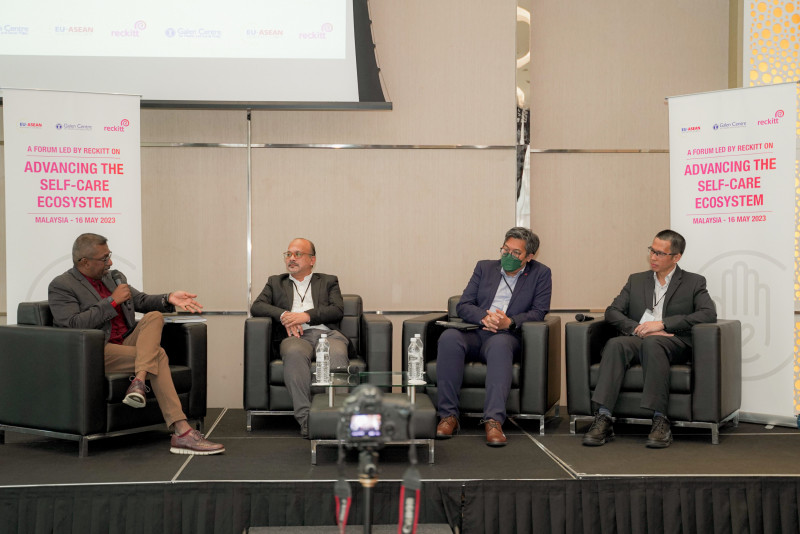
KEY decision-makers and stakeholders in the healthcare industry gathered recently at the forum “Advancing the self-care ecosystem in Malaysia”, in a bid to bring forth and promote the concept of self-care in the country.
The forum focused on the key aspects of creating an environment for self-care through knowledge sharing and reclassification of medication.
Over two panel discussions, the panellists shared experiences from other countries such as the United Kingdom, Australia, Singapore and Thailand that have benefitted from self-care and the re-classification of medicines.
The forum was organised by Reckitt in partnership with EU-Asean Business Council (EU-ABC) and Galen Centre for Health and Social Policy.
In the keynote address, Datuk Seri Norazman Ayob, deputy secretary-general (finance), the Ministry of Health shared that increased health literacy is crucial to promote behavioural change among individuals and communities, and this is a key component for an effective self-care model.
“Empowering individuals to manage their health and well-being can go some ways towards reducing the burden on the healthcare system in the country.
"To help achieve this, we need to work together with the right stakeholders, from both the public and private sector for better education and place more emphasis on self-care,” he said.
Brian Fischel, general manager, Malaysia, Singapore & Vietnam at Reckitt said as an organisation that exists to protect, heal, and nurture, Reckitt recognises the pivotal role that it plays in encouraging people to take charge of their health.
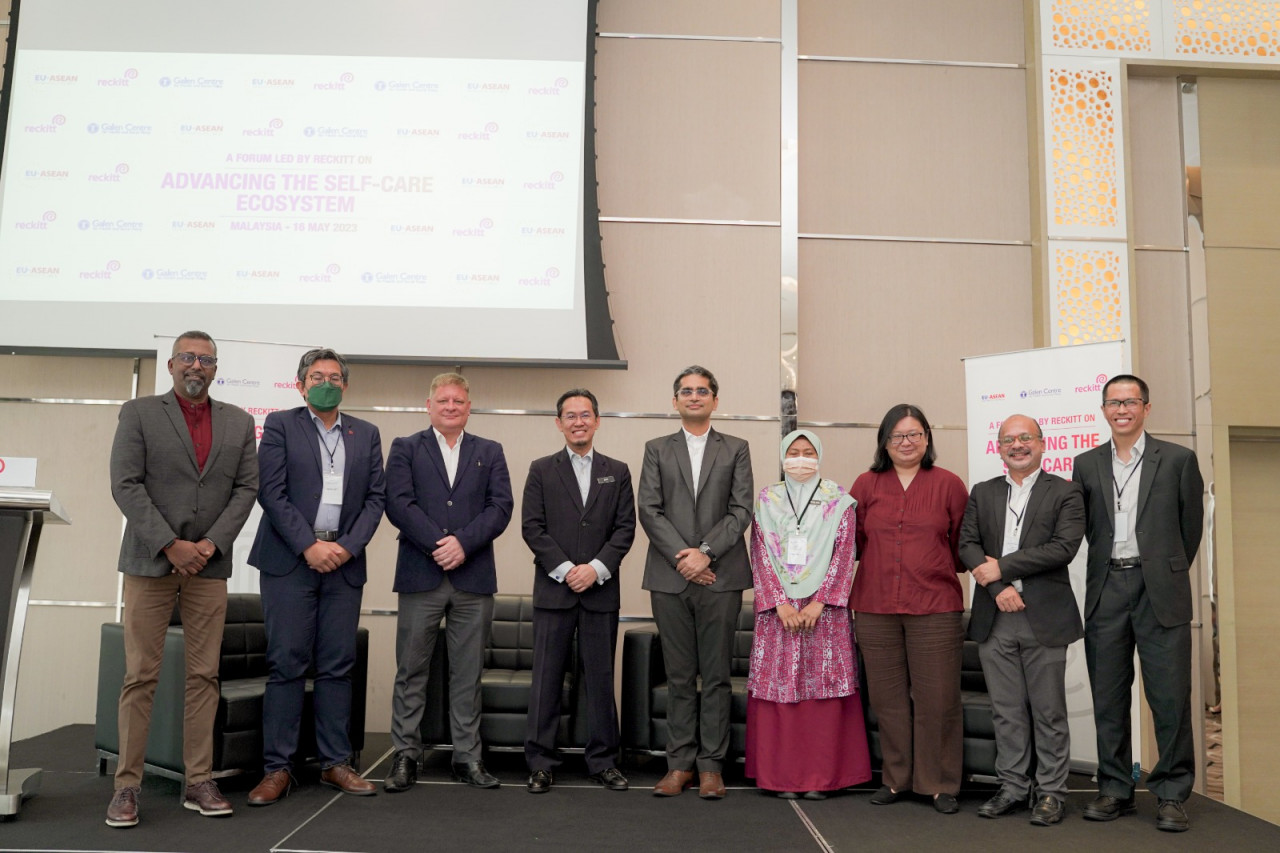
“Through this forum, we aim to facilitate meaningful dialogue with key decision-makers and stakeholders including policymakers, government leaders, NGOs, researchers, health, and nutrition brands.
"We hope this session will help stimulate a conversation about how to put our healthcare systems on a more sustainable path – and the important role of self-care within it,” Fischel said.
According to Chris Humphrey, executive director of EU-ABC, a survey done during the height of the Covid-19 pandemic in four countries including Malaysia, found that healthcare attitudes had evolved during the pandemic.
He said the survey found that consumers were more confident to manage their minor ailments without the intervention of healthcare practitioners.
And they expressed their desire for increased availability of non-prescription over-the-counter and self-care medicines, as well as the promotion of new sales and consultation channels, such as online.
In the second panel, Azrul Mohd Khalib, founder and chief executive officer of the Galen Centre for Health and Social Policy said, “The Covid-19 pandemic showed us the catastrophic potential of a large-scale health and environmental events across the country, going beyond the longer-term healthcare utilisation and expenditure trends.
"However, the pandemic also demonstrated the ability of self-care utilisation through increased consumer awareness that helped aid health systems.”
Apart from that, regular reviews of drug classification could systematically incorporate potential benefits to self-care practices as one motivating factor.
"Educating consumers on the proper use of over-the-counter (OTC) medicines can help reduce the burden on the healthcare infrastructure,” Azrul added.
Self-care is not a new concept. It is the ability of individuals to take informed decisions to manage their overall health and well-being, help prevent illness and advocate better quality of life and longevity.
The Malaysian healthcare system is already faced with many challenges arising from an ageing population, the disparity in healthcare access and quality between urban and rural areas, rising healthcare costs and the increasing incidence of non-communicable diseases.
Increased health literacy to promote behavioural change among individuals and communities is critical to the effectiveness of self-care. A well-designed self-care environment offers many structural and economic advantages.
The benefits include patients with higher self-esteem, improved wellness, longer life expectancy, and reduced use of healthcare services. – The Vibes, May 27, 2023