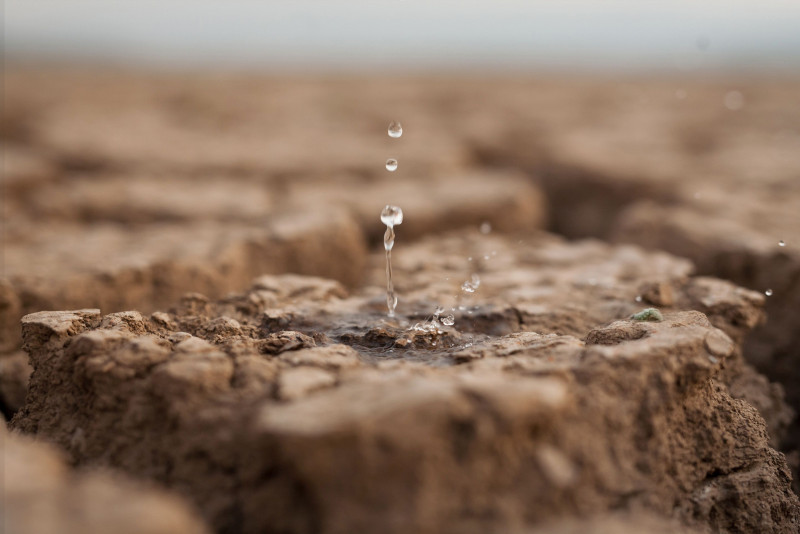
A NEW study reveals that 25 countries, home to a quarter of the world's population, are facing extremely high water stress. Most are located in the Middle East, South Asia and Africa.
Repeated droughts around the world are depleting water tables and leading to water stress, in other words, demand for water is outstripping available resources. And the situation is not about to improve. By 2050, almost 60% of the world's population could be facing extremely high water stress for at least one month of the year.
Such are the alarming findings of the World Resources Institute (WRI), which recently published data from its Aqueduct Water Risk Atlas, detailing the countries most at risk of water shortages. It names the five most water-stressed countries as Bahrain, Cyprus, Kuwait, Lebanon and Oman.
"The water stress in these countries is mostly driven by low supply, paired with demand from domestic, agricultural and industrial use," the WRI notes.
A total of 25 countries, home to a quarter of the world's population, are currently exposed to extremely high annual water stress, meaning that more than 80% of their renewable water reserves are being used for irrigation, livestock farming, industry and domestic needs. By way of comparison, a country facing "extreme water stress" uses at least 80% of its available supply, while a country facing "high water stress" withdraws 40% of its reserves.
According to the report, the regions where populations are most severely impacted are North Africa and the Middle East (83%), followed by South Asia (74%).
New data from @WRIAqueduct's Water Risk Atlas finds that 25 countries — home to a quarter of the world’s population — are currently exposed to extremely high #WaterStress annually▶️ https://t.co/aCfF0OjS1Z pic.twitter.com/xeZ05GgDlA
— World Resources Inst (@WorldResources) August 16, 2023
"Across the world, demand for water is exceeding what’s available," warns the WRI. The organization adds that global demand "has more than doubled since 1960." While growing populations and industries have largely contributed to increasing water stress, the WRI identifies additional causes, such as "lack of investment in water infrastructure, unsustainable water use policies or increased variability due to climate change." –ETX Daily Up, August 20, 2023