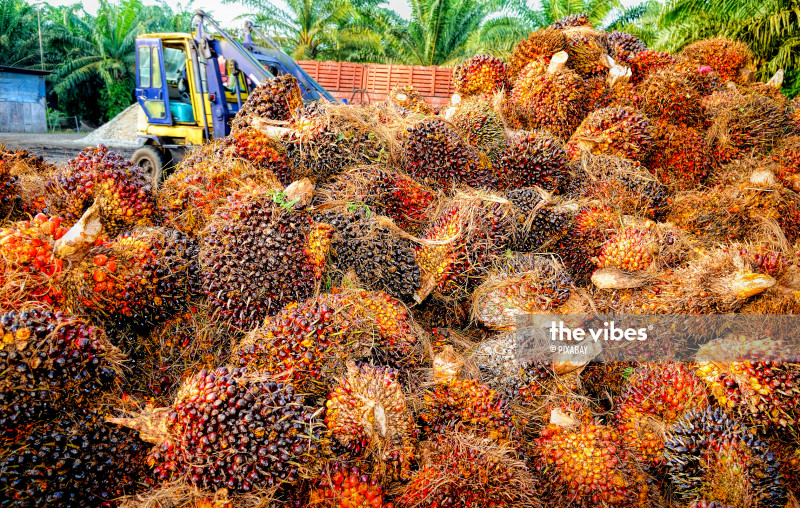
FOOD security for Sabah's four million population is the new focus at the expense of oil palm plantations which makes up 25%, of RM1.5 billion, of the state’s yearly revenue.
Sabah is Malaysia's second largest oil palm planter after Sarawak, but rising prices of staples, including of rice, has prompted the state government to limit plantations in favour of growing rice and meat.
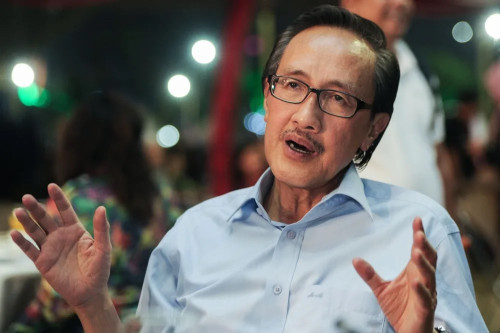
Deputy Chief Minister Datuk Seri Jeffrey Kitingan said village folk used to grow their own produce and kept their own livestock, but a growing population has threatened food security in the state.
A key policy of the state to boost food production is not to allow further expansion of oil palm planting, Jeffrey said.
“Forty years ago, the Sabah population was much lower and the padi fields were much bigger. We were mostly food sufficient,” he said.
“We do not have issues over the supply of vegetables, fruits, seafood and poultry, but we are facing an acute shortage of meat and rice after the pandemic."
Sabah’s population has grown six times since then to four million people, leading to a higher reliance on imports.
Sabah imports 78% of its rice from China, Vietnam, Thailand, and Pakistan, and 94% of its meat from Australia, New Zealand, and India.
Jeffrey said the state's policies aimed to address the shortage of livestock products and padi, adding that Sabah hoped to achieve 60% self-sufficiency for rice and 25% for livestock products by 2030.
A task force formed in February 2023 to recommend short and long-term fixes to the problem has engaged with government-linked companies to raise food production, said Jeffrey.
Sawit Kinabalu has started a 100ha rice plantation at its Taritipan Estate in Kota Marudu. Another 1,600ha is being developed to grow food by the Rural Development Cooperative in Trusan Sapi in Beluran, he said.
“We are also looking at an additional 11,000ha (of land to grow food) in the Dent Peninsula, Lahad Datu. If this materialises, it would add 114,400 tonnes to rice production."
The land is owned by the Federal Land Development Authority and efforts are being made to have the land returned to the state, he said.
“We are also asking the federal government to be allowed to import rice directly,” he said.
Jeffrey, who is the Tambunan assemblyman. said the revamp of the Kota Belud rice bowl should be given a “Sabah twist”.
“Unlike the rice bowl initiatives in the peninsula, where padi planting is contiguous, the padi fields in Kota Belud are separated into pockets of small fields spread all over the district,” he said.
As for meat, Jeffrey said the state required 16,800 tonnes of beef, or 60,000 cattle heads, a year to cut down on imports.
The state Veterinary Department is working with the GLCs in Balung, Tawau to raise the beef cattle population through a feedlot system.
The aim is to grow the cattle population from 53,000 last year to 155,000 in 2030, he said. Jeffrey said Sabah aims to improve meat self-sufficiency from 5.26% to 25% by 2030.
He said five lots in Papar, Kota Marudu, Tenom, Keningau and Semporna owned by the state has been identified to grow animal feed. – May 4, 2024.