MALAYSIA’S more than 1.2 million gig workers could soon gain the legal right to collectively negotiate payment terms and working conditions with platform providers, under the proposed Gig Workers Bill 2025.
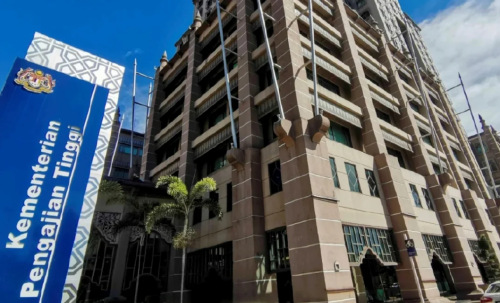
According to a document published by the Ministry of Human Resources and shared with the media, the bill would establish a tripartite advisory council, allowing gig workers to consult directly with industry stakeholders on matters such as minimum earnings, wage formulas, and other sector-specific standards.
The council, as outlined in the draft legislation, will also have the authority to provide advice and recommendations to the government on related policies, gather and analyse data, and evaluate the impact of enforcement measures.
Among its powers are consultations with platform companies and recommendations on implementation timelines for new wage and working condition directives.
The bill, set for its first reading in Parliament today, also seeks to broaden the definition of gig work beyond the well-known p-hailing and e-hailing sectors.
Included in the proposed schedule of recognised gig occupations are actors, film crew members, singers, musicians, composers, lyricists, makeup artists, hairstylists, stylists, sign language interpreters, freelance journalists, videographers, photographers, and care workers for the elderly or new mothers.
To qualify for recognition under the law, gig workers must be either Malaysian citizens or permanent residents and must have formal service agreements with contracting entities in return for payment.
The bill aims to protect workers’ rights, regulate terms of service, provide a mechanism for dispute resolution, establish a gig worker tribunal and advisory council, and ensure occupational safety and social security in a sector that has grown significantly over the past decade.
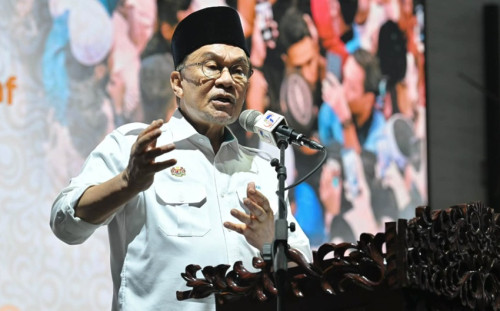
The issue of fair remuneration — particularly for delivery riders — has remained unresolved since 2019 and has drawn attention at the highest levels, including from Prime Minister Datuk Seri Anwar Ibrahim, who in May reiterated the government’s commitment to addressing gig worker welfare through this legislation.
The bill comes after more than a year of stakeholder engagement, with nearly 40 consultation sessions held. Minister of Human Resources Steven Sim is scheduled to table the bill in Parliament today.
However, the proposal has received mixed reactions, particularly from platform providers who have expressed concern that the bill may be moving forward too hastily.
To date, only about 15 countries or jurisdictions globally have introduced similar legislation to protect gig economy workers.
Among those voicing support for the bill is freelance writer Jamilah Hamzah, who said the lack of payment enforcement remains one of the most pressing concerns in the industry.
“Our work is often exploited, and many clients simply disappear without paying once the job is completed. We hope the government introduces a law or legal aid system to help freelancers like us,” she said.
Jamilah added that even with written agreements, pursuing legal action is rarely viable due to legal costs and lengthy court procedures.
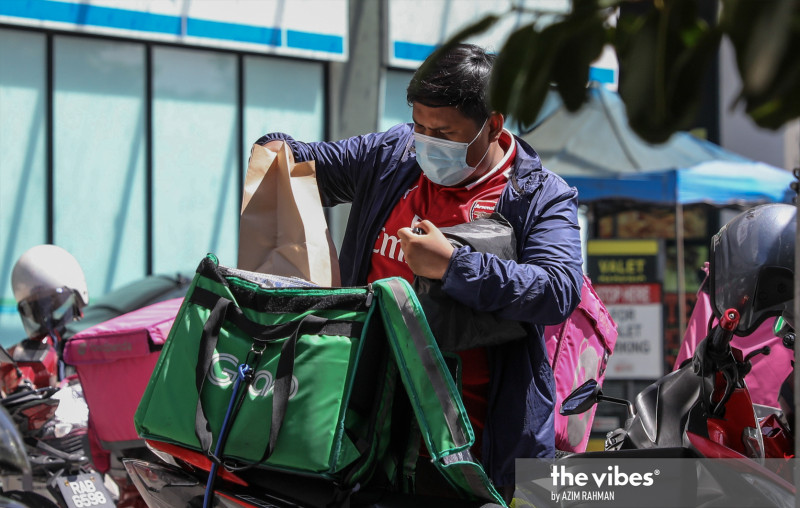
Food delivery rider Khairul Akmal Barkawi urged the government to set minimum pay per task or journey and regulate the commission fees imposed by platform operators.
“Many of us work over 10 hours daily just to earn a livable income. If minimum wage laws exist for salaried workers, gig workers should be afforded the same protection,” he said.
Meanwhile, an e-hailing driver known only as Edy called for the creation of more accessible micro-financing and loan schemes tailored to gig workers, many of whom lack formal payslips or financial records required by conventional lenders.
“This makes it extremely difficult to purchase the tools we need to work — like motorbikes, smartphones, or insurance,” he said, also suggesting that the government establish an automatic emergency fund mechanism to support gig workers facing sudden income loss. - August 25, 2025