ECONOMISTS believe the nation is on the right track to achieve its economic objectives while ensuring inclusive and sustainable development following last week’s 2026 Budget announcement.
However, they told The Vibes that positive results could only be yielded if fiscal discipline is maintained and development plans are executed with transparency.
On Friday, Malaysia announced a budget of RM470 billion in total expenditure.
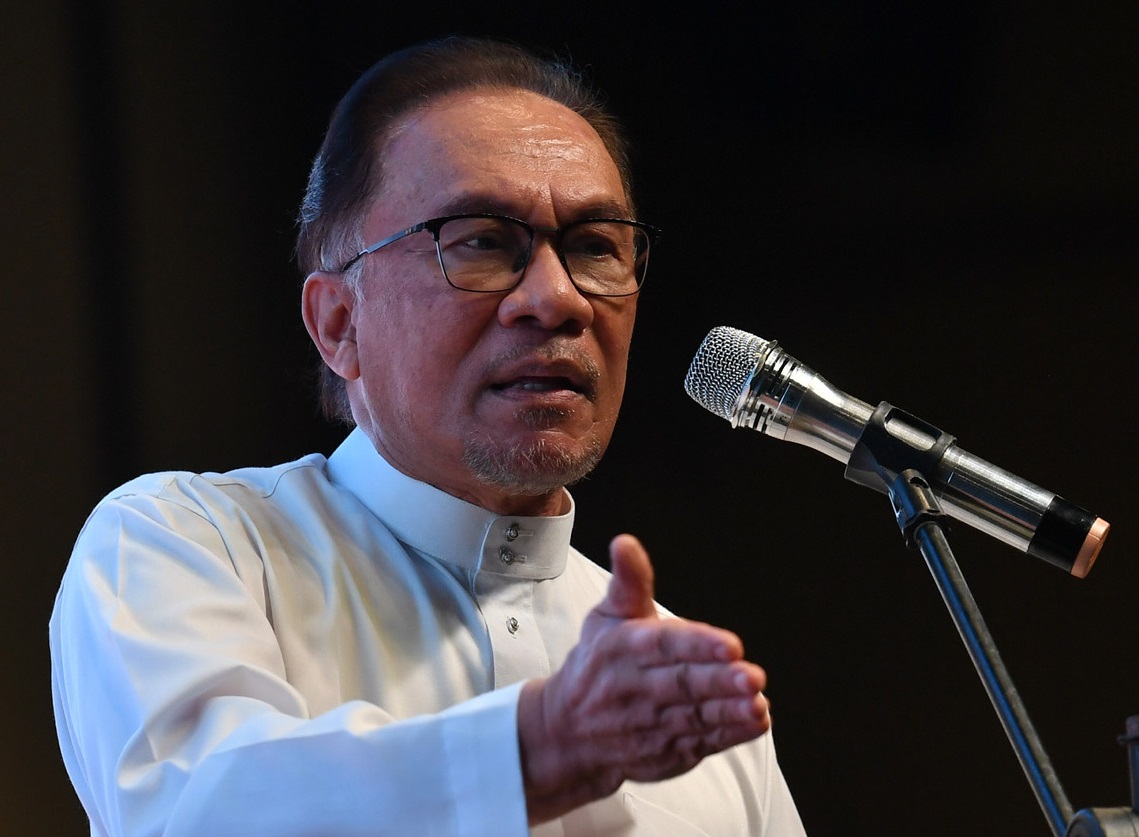
Prime Minister and Finance Minister Datuk Seri Anwar Ibrahim announced his administration’s commitment to fiscal reform, moral governance and long-term national renewal under the MADANI economic framework.
Themed "Belanjawan Rakyat", Anwar positioned it not merely as a fiscal document, but as a defining chapter of national maturity.
"A budget is not just a presentation of numbers or fiscal health. It is a moral statement, a historic pledge, and a sincere covenant between the government and the people," he said.
Commenting on the budget, Prof Dr Ahmed Razman Abdul Latiff said the budget priorities peoples’ wellbeing by aiding the masses through several mechanisms such as the subsidy rationalisation programme, welfare boost and direct assistance scheme to support livelihoods.
He stressed that the budget was a medium- and short-term solution to the country’s aim to improve its economy, adding that a long-term solution has to be carefully planned and supported by structural reforms.
“Overall, it was a good and people-centric budget — one that clearly reflects the government’s commitment to public welfare. This is evident through the continuation of initiatives such as SARA, STR and the recent BudiMadani programme.
“I am also pleased to note that no additional taxes were imposed on the people, and the government did not resort to creating new debt to finance new development plans, indicating a more responsible and sustainable fiscal approach.”
“But we also need a long term plan if we really want to see real changes. Maybe we could see it in another five years,” said the academic from the Putra Business School.
The 2026 budget marks the opening year of the 13th Malaysia Plan (RMK13) and projects GDP growth between 4.0 and 4.5 per cent, slightly below this year’s estimated range of 4.0 to 4.8 per cent, amid ongoing global economic uncertainty, geopolitical tensions and disruptive tariff wars.
Anwar in his speech last Friday maintained that Malaysia’s economy remained resilient, citing a 4.4 per cent growth recorded in the first half of 2025.
The total expenditure for 2026 includes RM338.2 billion in federal operating costs and RM81 billion for development. An additional RM30 billion will come from investments by government-linked investment companies (GLICs), RM10 billion through public-private initiatives, and RM10.8 billion from statutory bodies and government-linked firms.
Federal revenue collection is expected to rise to RM343.1 billion next year, up from RM334.1 billion in 2025.
The Prime Minister reaffirmed a key MADANI goal: reducing the fiscal deficit from 5.5 per cent in 2022 to 3.5 per cent by 2026, with a medium-term ambition of reaching 3.0 per cent. He added that new borrowings had already declined significantly — from RM100 billion in 2022 to RM77 billion in both 2024 and 2025.
Prof Dr Barjoyai Bardai shared Razman’s sentiment adding that the government is taking every opportunity to accelerate economic growth.
He said by promoting targeted initiatives such as semiconductor, energy and technology, Putrajaya is not wasting time in trying to reach its peak on global economic development.
Apart from strengthening the country’s economy, Barjoyai said the government was also serious in eradicating poverty
“The government's move to rationalise subsidies is expected to save RM15.5 billion annually, this is a firm commitment to strengthening national fiscal discipline while ensuring more targeted support for Malaysians across all income groups.”
“It will generate savings for the government, and it goes back to the people,” said the senior academic.
However, Barjoyai also noted that a long-term plan is needed if the government wishes to see some clear changes in terms of economic stability.
“The budget was a good one. I am impressed. But it was a short term and medium-term solution. They need a long term one.”
“Whether this budget will reach its objective or not, it depends on how it will be carried out. How it will be implemented. On the surface it was a good one. Will it reach its objective is another story. I hope it will reach its targeted goals,” said Barjoyai.
Anwar told Parliament that the RM15.5 billion in annual savings would allow the government to increase allocations for public welfare, cost of living support, and quality infrastructure investments.

At the heart of the RM15 billion Budget 2026 lies a historic claim: hardcore poverty in Malaysia has been reduced to just 0.09 percent, affecting around 7,000 households nationwide — a near-eradication of extreme poverty for the first time in the country’s history.
"This is the tangible result of the MADANI struggle," Anwar said, referring to the government’s comprehensive socioeconomic agenda.
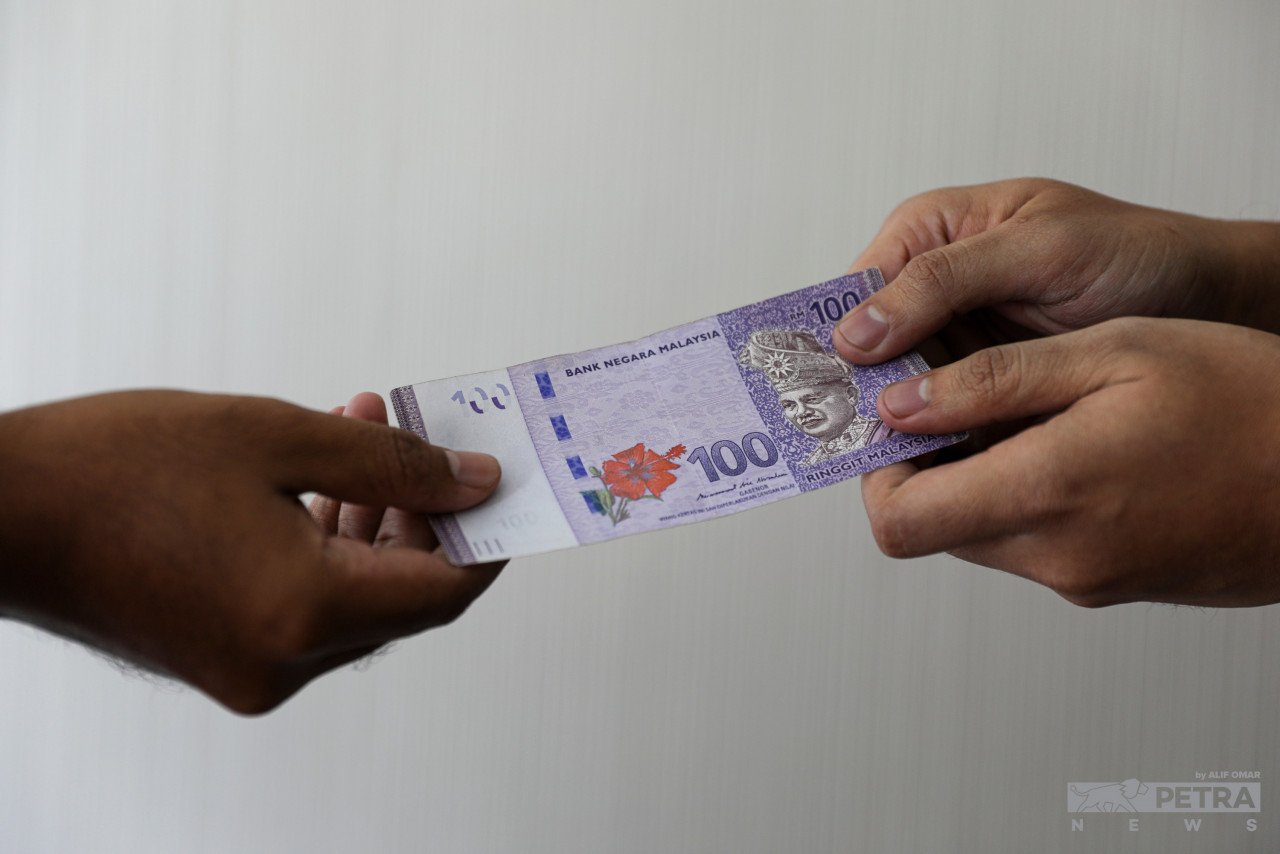
In 2026, all nine million STR recipients will receive SARA payments of up to RM100 monthly, or RM1,200 annually. One million e-Kasih households will receive RM200 per month, while single individuals will be eligible for RM600 per year.
The maximum a household can receive under STR and SARA is RM4,600. For example, a family earning below RM2,500 with five children qualifies for RM2,200 under STR and RM2,400 under SARA.
To provide additional relief, a one-off RM100 SARA credit will be distributed in February 2026 to 22 million Malaysians aged 18 and above, timed to coincide with Ramadan and Chinese New Year preparations. – October 15, 2025