MALAYSIA will make it mandatory for pharmaceutical companies to report potential medicine shortages at least six months in advance, beginning July 1, as part of efforts to strengthen readiness against global supply chain disruptions.
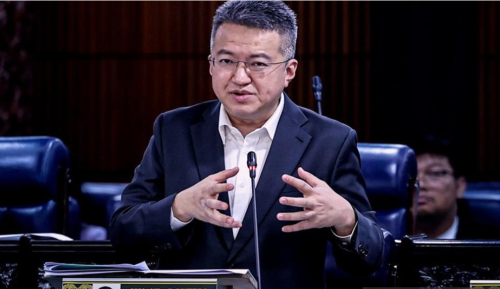
Health Minister Datuk Seri Dr Dzulkefly Ahmad said the measure, currently voluntary, is part of a broader shift towards proactive risk management to ensure continuity of medical supplies amid global uncertainties.
He said industry players have been given until April 15 to provide feedback on the availability of active pharmaceutical ingredients and packaging materials to enable early intervention before shortages affect healthcare facilities.
“Firstly, of course, predictive monitoring and early warning. We have moved away from reactive management to a system of proactive risk anticipation, where the six-month rule is implemented through the National Pharmaceutical Regulatory Agency (NPRA).
“We now require product registration holders (PRH) to report potential medicine shortages or discontinuations at least six months in advance. So that is still very important,” he said when appearing on Bernama TV’s The Nation programme titled ‘Protecting Medical Supplies in Uncertain Times’.
Dzulkefly said the move is part of Malaysia’s strategy to mitigate the impact of supply chain disruptions, which may persist even after the West Asian crisis subsides.
He added that the Health Ministry (MOH) is maintaining a forward-looking strategy extending into the first quarter of 2027 to ensure continued resilience in the country’s pharmaceutical logistics.
“At MOH, our perspective is that the actual supply chain crunch often occurs as an after-effect of a crisis, which our simulation suggests could last for at least six months. So, our preparations are ongoing and independent of any short-term geopolitical shift,” he said.
On stock preparedness, he said Malaysia is strengthening buffer stocks through a tiered system, with one to three months’ supply at healthcare facilities and an additional two-month buffer at the concessionaire level.
He added that Malaysia is diversifying import sources for medicines and medical devices to reduce reliance on any single market, while the Medical Device Authority has introduced rapid response mechanisms, including a special access pathway for critical equipment during crises.
Dzulkefly said the government is adopting a data-driven approach to stockpiling to minimise wastage, drawing lessons from the COVID-19 pandemic.
“Stockpiling requires significant funding and warehouse space. So our approach to this is to build on the concept of being smart, strategic and being prudent. We are not going to simply fill our warehouses; we are using data to ensure we have the right item at the right time without the risk of wastage,” he said.
He said reserves would only be deployed under specific conditions such as significant supply disruptions, operational delays and public health emergencies.
On long-term strategy, Dzulkefly said the current global situation has accelerated Malaysia’s transition from being crisis-driven to becoming a more sustainable, self-reliant regional leader in healthcare manufacturing. “We are now no longer just reacting to disruption; we are building a high-value ecosystem designed for long-term resilience,” he said.
He added that the national medicine security policy under MyMedSecure is central to strengthening domestic capabilities, including reducing reliance on imports through local production of active pharmaceutical ingredients and critical finished products. – April 11, 2026