MALAYSIA is set to mark a significant milestone in its energy transition agenda as the government begins increasing biodiesel blending from B10 to B15 across Peninsular Malaysia from 1 June, in a move designed to bolster national energy resilience while supporting the country’s palm oil industry.
The policy shift comes as the MADANI administration seeks to navigate heightened volatility in global energy markets, positioning biodiesel as both an energy security buffer and a mechanism to enhance domestic demand for palm oil.
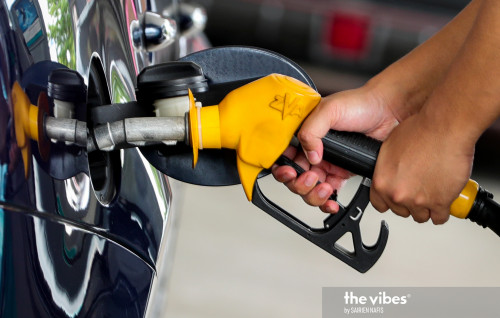
Under the new mandate, B15 will comprise 15 per cent Palm Methyl Ester (PME) derived from palm oil and 85 per cent petroleum diesel, up from the current B10 blend.
The transition is expected to proceed without requiring engine modifications for most diesel vehicles already compatible with biodiesel standards.
Deputy Prime Minister Datuk Seri Dr Ahmad Zahid Hamidi previously said the government’s approach involves a phased scaling-up of biodiesel production, aligned with market conditions and industry readiness.
He said the utilisation of downstream palm oil by-products, including residues from crude palm oil processing, could also be expanded to produce biodiesel and even aviation fuel, thereby creating new value chains within the commodity sector.
Zahid further described biodiesel development as a potential driver of rural economic growth, involving agencies such as the Federal Land Consolidation and Rehabilitation Authority (Felcra), the Central Terengganu Development Authority (Ketengah) and the South Kelantan Development Authority (Kesedar).
The government has stressed that the implementation of B15 has been carefully planned, taking into account national palm oil supply capacity, industry preparedness and existing infrastructure.
Plantation and Commodities Minister Datuk Seri Dr Noraini Ahmad said Malaysia’s estimated annual palm oil requirement for B15 would be around 0.8 million metric tonnes, significantly lower than the estimated domestic surplus of about four million metric tonnes.
She added that the policy would not affect Malaysia’s palm oil exports, which currently stand at approximately 16 million metric tonnes annually.
Energy experts have also pointed to potential benefits in fuel supply stability. Prof Dr Hidayah Ariffin, head of the Biorefinery Complex at Universiti Putra Malaysia, said higher biodiesel usage could extend diesel stock longevity and help ensure supply resilience, particularly if geopolitical tensions in West Asia persist.
Concerns over engine compatibility have been addressed by the government, with Economy Minister Akmal Nasrullah Mohd Nasir assuring that there are no technical issues affecting vehicles, as Malaysian fuel standards have already accounted for biodiesel blends of up to B20 since 2020.
He noted that B20 has already been implemented in several regions, including Langkawi, Labuan and Sarawak, without any significant reports of engine damage.
Malaysia’s biodiesel programme began with B5 in 2011, expanded to B7 in 2014, and was later scaled up to B10 and B20 between 2019 and 2020 as part of a gradual national rollout strategy.
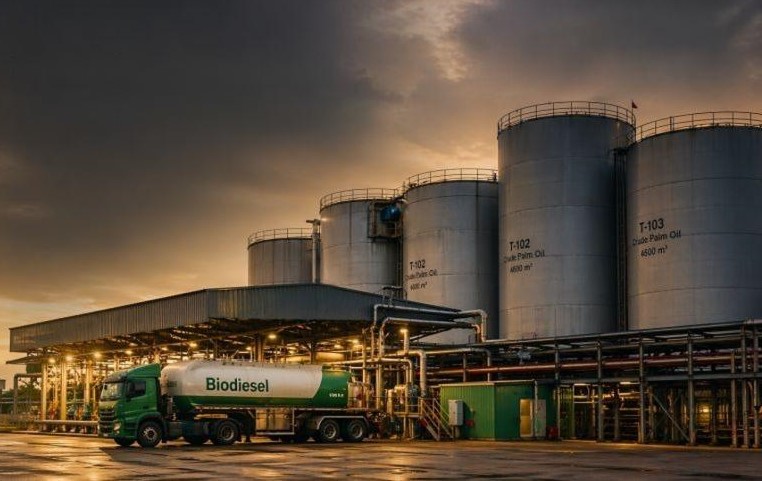
The country now operates 19 licensed biodiesel plants capable of supporting the B15 implementation, with longer-term plans under consideration to increase blending levels further to B20, B30 and potentially up to B50 in line with national green transition objectives.
In addition to energy security and economic considerations, biodiesel derived from renewable sources is also expected to reduce greenhouse gas emissions, reinforcing Malaysia’s commitment to low-carbon development and a more sustainable energy future. - May 31, 2026