
MALAYSIA must urgently accelerate its energy transition efforts as global uncertainties and climate pressures continue to mount, with the government warning that delays could undermine long-term economic resilience and energy security.
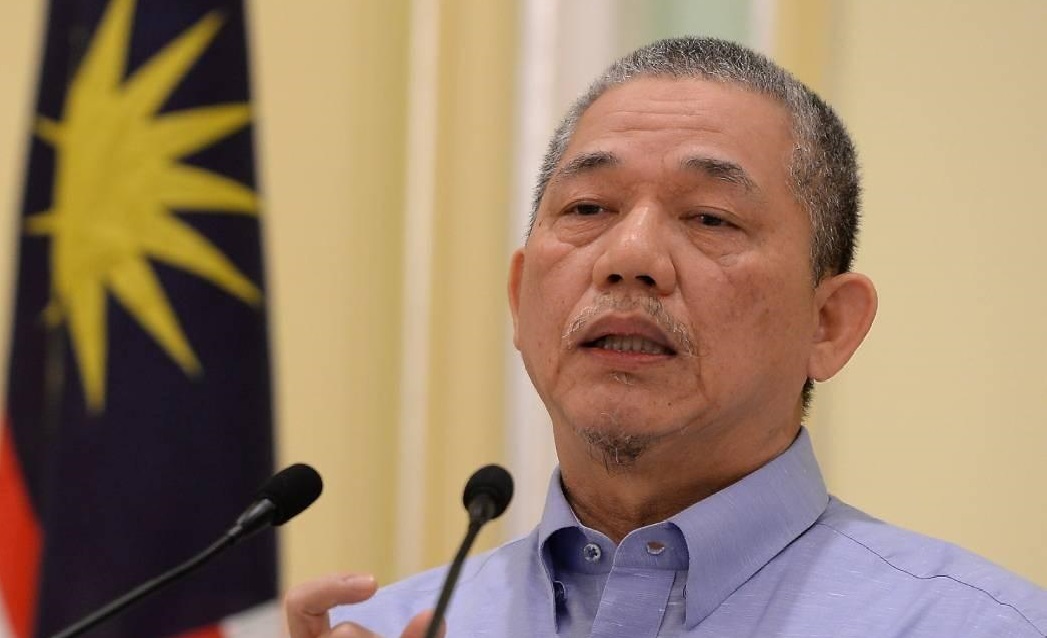
Deputy Prime Minister Datuk Seri Fadillah Yusof had said that the National Energy Transition Roadmap (NETR) provides a clear policy direction for the country to achieve net-zero greenhouse gas emissions as early as 2050, but stressed that stronger execution and collective commitment are now critical.
“The transition is no longer optional. It is a necessity to ensure Malaysia remains competitive and resilient in a rapidly changing global landscape,” he said, underscoring that energy policy must balance sustainability, affordability and security.
Under the NETR, Malaysia has outlined ambitious targets across several key areas, beginning with renewable energy expansion.
The country is on track to meet its 2025 goal of 31 per cent renewable energy capacity, having already reached about 30 per cent as of end-2025.
However, the roadmap sets steeper targets of 40 per cent by 2035 and 70 per cent by 2050, requiring sustained investments in solar, hydro and bioenergy, alongside significant upgrades to grid infrastructure.
At the same time, Malaysia is intensifying efforts to curb carbon emissions.
The government has committed to reducing greenhouse gas emission intensity by 45 per cent relative to GDP by 2030, compared to 2005 levels.
Further reductions are planned in the power sector, with a 60 per cent cut in carbon intensity targeted by 2035.
These measures form part of the broader push towards achieving net-zero emissions by mid-century.
Fadillah earlier noted that the transition would also involve a structural shift in the country’s energy mix.
Malaysia aims to reduce coal-fired power capacity by 50 per cent by 2035 and phase out coal entirely by 2044.
In parallel, energy efficiency measures will be strengthened, with a national target of achieving 21 per cent energy savings by 2040.
The transport sector is another critical focus, with the government targeting a 60 per cent public transport modal share and accelerating the adoption of electric vehicles (EVs) and electric motorcycles to account for up to 80 per cent of total vehicles.
Efforts are also underway to strengthen domestic EV manufacturing capabilities, positioning Malaysia as a regional player in green mobility.
Despite the scale of transformation required, the government maintains that the energy transition presents significant economic opportunities.
Malaysia is estimated to require RM637 billion in investments to achieve its 2050 targets, covering grid development, energy storage systems and operational improvements.
In return, the transition is expected to contribute up to RM220 billion to the national economy and generate approximately 310,000 green jobs.
To ensure inclusivity, several people-centric initiatives have been rolled out to encourage wider adoption of clean energy. These include the Feed-in Tariff (FiT), Net Energy Metering (NEM), Solar for Self-Consumption (SelCo), SOLAR ATAP, and the National Energy Efficiency Action Plan (NEEAP 2.0).
The programmes are designed to empower both industry players and households to participate actively in reducing reliance on fossil fuels.
The urgency of the transition has been further heightened by ongoing geopolitical tensions, particularly in West Asia, which have exposed vulnerabilities in global energy supply chains.
Analysts note that overdependence on imported fossil fuels could leave Malaysia exposed to price volatility and supply disruptions, reinforcing the need to strengthen domestic renewable capacity.
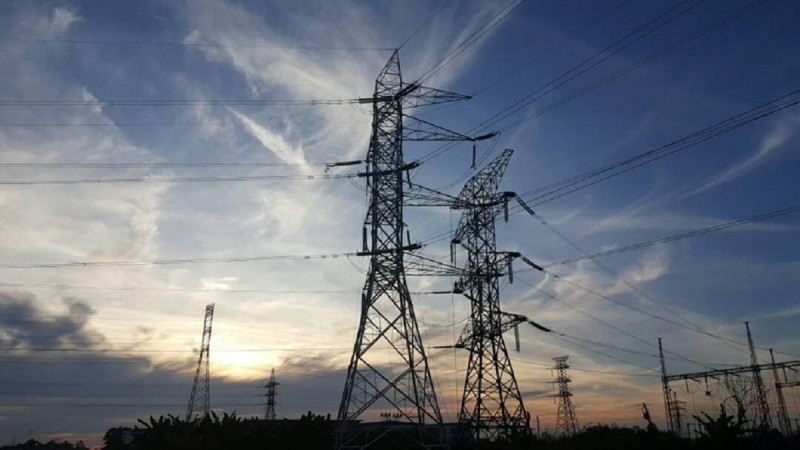
In this context, national utility Tenaga Nasional Berhad has committed RM43 billion in investments between 2025 and 2027 to upgrade and modernise the country’s grid infrastructure.
The initiative includes the integration of advanced technologies such as artificial intelligence to enhance efficiency and support higher renewable energy penetration.
Regionally, Malaysia is also advancing its role in the ASEAN Power Grid through projects such as the Laos–Thailand–Malaysia–Singapore Power Integration Project (LTMS-PIP), which aims to facilitate cross-border electricity trading and strengthen energy cooperation among member states.
The initiative is expected to unlock significant economic value across ASEAN while supporting the region’s transition to cleaner energy sources.
However, policymakers acknowledge that difficult reforms lie ahead, particularly in relation to energy subsidies.
While subsidies continue to ease cost pressures for consumers in the short term, they may hinder long-term sustainability by distorting market signals and discouraging investment in renewable energy.
As Malaysia pushes forward, Fadillah has emphasised that success will depend on a whole-of-nation approach.
“Industry, government and the rakyat must move in tandem. The transition requires not only policy direction, but also behavioural change and shared responsibility,” he said.
With the foundations already in place under the NETR, the challenge now lies in accelerating implementation—ensuring that Malaysia not only meets its climate commitments, but emerges as a regional leader in sustainable energy. – June 17, 2026