Ministry tightens cooking oil subsidy controls with digital system to curb leakages - July 18, 2026
Measures include expanding its digital tracking system and targeted subsidy mechanism, following recommendations by the PAC to strengthen oversight and prevent leakages
THE Ministry of Domestic Trade and Cost of Living (KPDN) will accelerate reforms to strengthen the management of subsidised cooking oil, including expanding digital monitoring through the Electronic Cooking Oil Stabilisation Scheme (eCOSS), following recommendations by the Public Accounts Committee (PAC) to reduce leakages and improve targeted assistance.
The recommendations were outlined in the PAC Report DR. 27 of 2026, which was tabled in the Dewan Rakyat on 16 July.
The ministry, in a statement today, said it would carefully review and act on the recommendations, particularly those calling for a transition from blanket cooking oil subsidies towards a more targeted subsidy mechanism through the Electronic Cooking Oil Stabilisation Scheme (eCOSS).
The ministry said improvements to COSS had been implemented progressively since 2023 to address longstanding challenges that emerged following the scheme’s introduction in 2007.
These efforts were further strengthened through an internal review conducted by KPDN between December 2023 and June 2024.
KPDN said eCOSS would become the backbone of efforts to modernise subsidised cooking oil management by replacing manual recording methods previously used until 2022 with a comprehensive digital monitoring system.
The first phase of eCOSS implementation focused on introducing digital record-keeping requirements throughout the supply chain, covering refineries, repacking companies, wholesalers and retailers.
Through the system, monthly quota management, sales transactions and subsidy claims are recorded digitally to improve transparency, strengthen accountability and reduce opportunities for manipulation.
The second phase expanded the system through the introduction of the eCOSS Mobile Application, which began pilot implementation in May 2025.
The mobile platform allows monitoring to be extended to the retail stage by recording transactions between retailers and consumers at shop counters.
KPDN said full implementation of eCOSS would serve as a critical measure to minimise subsidy leakages, prevent fraudulent claims and ensure subsidised cooking oil reaches eligible recipients.
The system will also be strengthened through the introduction of a new version of the national identity card by the National Registration Department (JPN), enabling consumers to verify purchases through QR code authentication.
The mechanism is expected to support more targeted distribution while preventing non-citizens from purchasing subsidised cooking oil.
KPDN also took note of PAC’s recommendation to review the allocation of cooking oil refining quotas, particularly by giving greater opportunities to competitive locally owned companies to reduce dependence on foreign-owned firms.
The ministry said refinery quotas had not been directly determined by the government since COSS was introduced.
Instead, repacking companies have traditionally selected supply sources and refineries based on considerations such as logistics costs, credit arrangements, pricing, supply sustainability, refinery location and repacking capacity.
However, KPDN said it was introducing gradual intervention measures to encourage repackers to source supplies from locally owned refineries.
These measures include quota replacement conditions and business matching initiatives between local refineries and repacking companies.
Among other improvements introduced by KPDN are restrictions prohibiting the sale of 1kg subsidised cooking oil packets to non-citizens under the Control of Supplies (Prohibition on Sale and Purchase of Controlled Goods) (Cooking Oil) Regulations 2026, which took effect on 1 March 2026.
The ministry has also introduced standard operating procedures for the handling of waste or damaged cooking oil, effective from 1 May 2026.
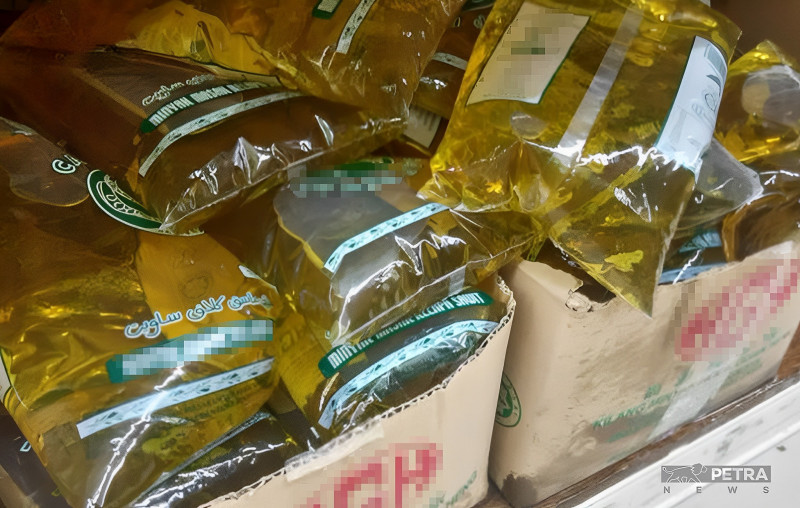
The government continues to enforce the maximum retail price of RM2.50 for 1kg packets of pure palm cooking oil under the Price Control and Anti-Profiteering Act 2011.
Further measures include integrating eCOSS with the Sumbangan Asas Rahmah (SARA) system, strengthening compliance monitoring through regular inspections and audits, verifying subsidy claims using COSS records, and improving distribution oversight.
KPDN has also enhanced enforcement coordination through the High-Level Inter-Agency Coordination Committee to Combat Leakage and Smuggling (JTPAP) and the integrated OPS TIRIS 4.0 task force.
The ministry said subsidised 1kg cooking oil packets would continue to be supplied during every Jualan RAHMAH MADANI programme to ensure continued access for consumers.
A zoning mechanism has also been introduced to improve distribution control, limiting the role of repacking companies in determining retail networks. Under the new arrangement, repackers may only determine 50% of retail distribution lists based on their allocated quotas, while KPDN will determine the remaining 50% involving wholesalers and retailers.
KPDN said it would continue strengthening the COSS framework by considering findings from its internal review, the National Audit Department’s audit report issued in July 2025 and the latest PAC recommendations.
KPDN Minister Datuk Armizan Mohd Ali said firm enforcement would continue against refineries, repacking companies, wholesalers, retailers and any parties found breaching existing regulations.
“Stronger governance and monitoring mechanisms were essential to ensure substantial public funds allocated for cooking oil subsidies reached the intended beneficiaries and provided meaningful support to Malaysians.” - July 18, 2026