By Murray Hunter
THE escalating conflict in the Gulf, now drawing in Yemen’s Houthi militants in direct retaliation against Saudi Arabia, is rapidly reshaping global energy, food, and supply chains.
With oil prices surging past US$100 per barrel and threats to key maritime routes, such as the Red Sea and Strait of Hormuz, the world faces potential shortages of oil, fertiliser precursors, and plastic raw materials.
Europe and Asia, which are heavily dependent on these flows, are particularly vulnerable.
For Malaysia, long accustomed to a degree of insulation through its energy resources and diversified trade, this “Gulf War” demands urgent preparation rather than the current distraction of election fever.
Houthi claims of attacks on Saudi tankers in the Red Sea have already triggered sharp price spikes, with Brent crude jumping significantly in recent sessions.
This is no isolated incident. It compounds disruptions from the broader US-Iran tensions, including attacks on infrastructure and retaliatory strikes.
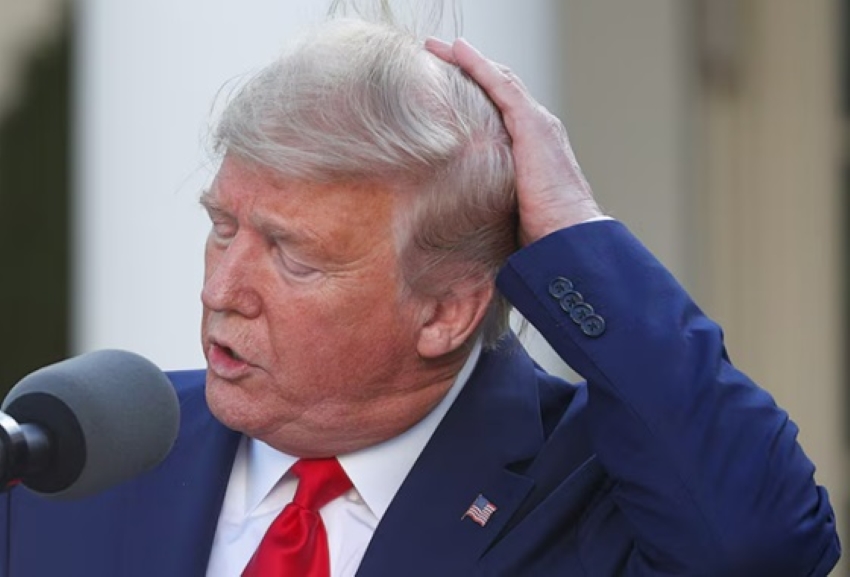
The Houthis’ naval blockade against Saudi Arabia threatens an alternative route for oil flows, stoking fears of wider escalation. President Trump’s warnings of holding Iran responsible and considering massive retaliation, potentially with Israeli involvement, underscore the volatility.
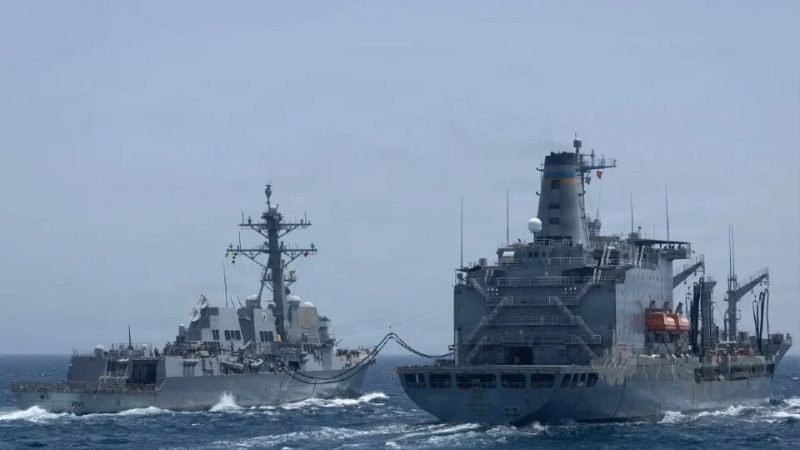
Rumours of US military buildups, including B-1 bombers and medical preparations, suggest preparations for prolonged conflict.
The economic ripple effects are immediate and multifaceted.
Energy prices are climbing, pushing up government bond yields globally as investors anticipate inflation and potential Federal Reserve rate hikes.
This could dampen consumer spending, corporate profits, and stock markets.
More critically for commodity-dependent nations, the surge in energy costs is driving up agricultural futures.
Wheat, corn, and soybeans have rallied sharply, with wheat recently hitting three-year highs.
A triple threat to global supplies, disrupted shipping, higher input costs, and potential fertiliser shortages loom large.
Malaysia, despite being a net exporter of oil and gas in aggregate, remains structurally vulnerable.
The country imports significant volumes of refined petroleum products to meet domestic demand, with consumption outpacing local production.
A substantial portion of crude imports has historically transited vulnerable chokepoints like the Strait of Hormuz.
Higher global prices will directly inflate fuel costs, straining the government’s subsidy regime.
Maintaining these subsidies amid rising import bills will become fiscally burdensome, potentially forcing difficult trade-offs in the national budget.
The petrochemical sector faces parallel pressures.
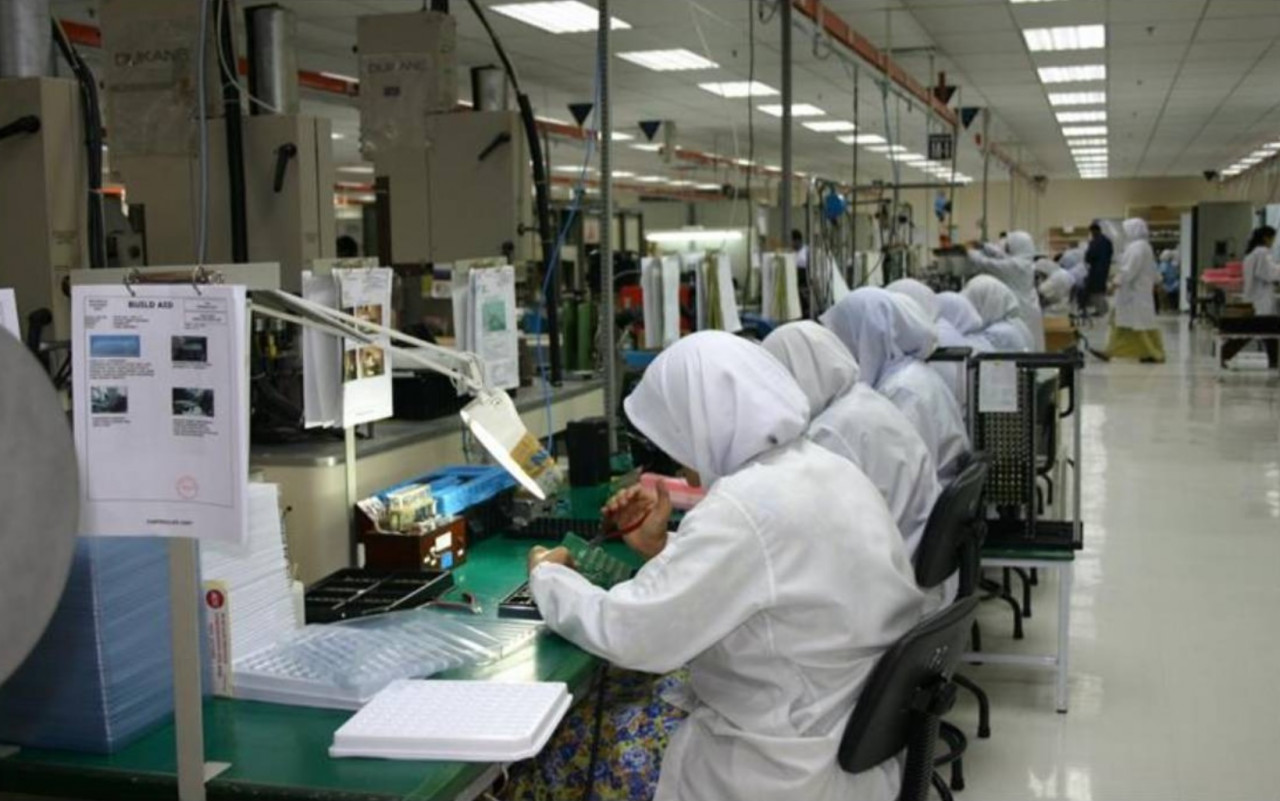
Malaysia’s plastics industry, a significant contributor to manufacturing and exports, relies on raw materials like naphtha, ethylene, and propylene derived from oil and gas. Disruptions in Middle Eastern supply chains, which are already evident in earlier phases of regional instability, could squeeze availability and drive up costs.
Fertiliser production and imports are similarly exposed.
Malaysia imports millions of tonnes annually to support its palm oil and agricultural sectors. Higher energy and raw material costs, combined with potential export restrictions from key suppliers, threaten food production costs at home.
With Malaysia importing up to 60% of its food, any surge in global prices will transmit quickly through logistical chains, exacerbating inflationary pressures on households.
Beyond commodities, the conflict highlights Malaysia’s exposure to geopolitical unpredictability.
US policy under Trump has introduced new variables, including tariffs on Malaysian goods and criticisms over regional stances.
The collapse of any near-term US-Iran understanding leaves little room for de-escalation, with daily exchanges between forces heightening risks to Gulf infrastructure. Iranian retaliation could target not just direct adversaries but broader shipping and energy facilities, indirectly imperilling Asian supply lines.
Domestically, Malaysia appears deceptively insulated for now.
However, this complacency is dangerous. Election cycles and political manoeuvring are diverting attention from critical economic decisions that must be made at the highest levels.
Leadership needs to move beyond short-term populism toward strategic foresight.
Key questions include: How will subsidy rationalisation be managed without sparking social unrest?
What diversification of energy and fertiliser sources is feasible in the short to medium term?
How can supply chain resilience be built for petrochemicals and food imports?
Policy responses should be multi-pronged. Accelerating investments in renewable energy and domestic refining capacity could reduce long-term vulnerability.
Strategic stockpiling of critical commodities, including fuel, fertiliser, and grains warrant immediate consideration.
Trade diplomacy to secure alternative suppliers from non-conflict zones, perhaps deepening ties within ASEAN or with Latin American and African producers, is essential.

At the same time, fiscal prudence is needed to manage rising subsidy costs without derailing development priorities.
The interconnectedness of today’s global economy means no nation is truly immune. Higher borrowing costs, if the US Fed tightens, could slow Malaysia’s growth trajectory. Reduced corporate profits in export sectors, combined with imported inflation, risk squeezing margins and employment.
The food industry, already facing higher futures prices, will pass costs to consumers, potentially reigniting debates over cost-of-living pressures.
Malaysia’s policymakers have historically demonstrated agility in navigating external shocks, from the Asian Financial Crisis to the COVID-19 pandemic.
Yet this Gulf crisis combines energy security, food security, and geopolitical realignment in a potent mix.
The window for proactive measures is narrowing as oil hovers above US$100, and tensions show no signs of abating.
The time for preparation is now, before the full effects cascade through markets, budgets, and dinner tables.
Malaysia cannot afford to be caught reacting to events shaped far beyond its shores.
A focused, whole-of-government approach, prioritising resilience over rhetoric, will determine whether the country weathers this storm or is battered by it.
The leadership must rise above immediate political distractions and confront the uncomfortable realities of interdependence in an increasingly unstable world. – July 25, 2026