Murray Hunter
THE arrest of a Malaysia Airlines pilot in Jakarta has thrown a harsh spotlight on security procedures at Kuala Lumpur International Airport (KLIA).
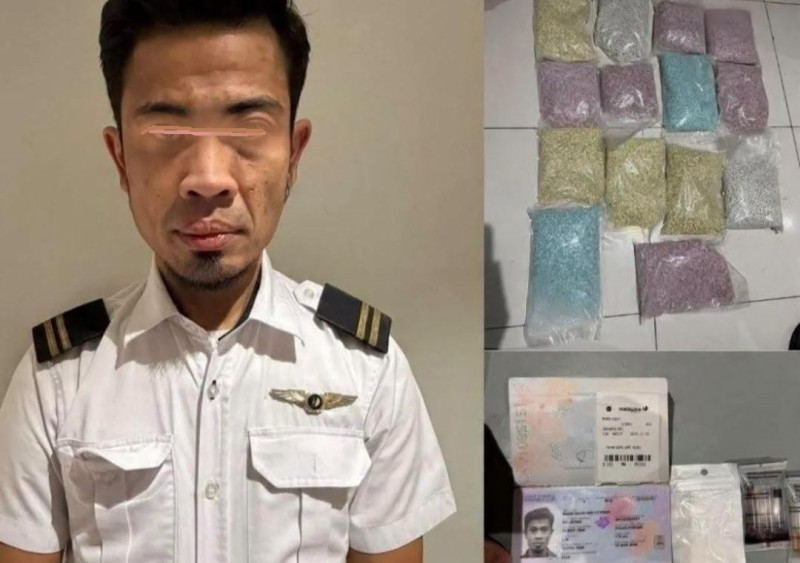
On 28–29 July 2026, the 39-year-old pilot operated flight MH727 from KLIA to Soekarno-Hatta International Airport. Indonesian customs officers intercepted him after an X-ray flagged his suitcase.
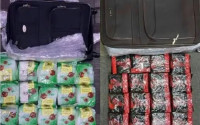
Inside, they found more than 70,000 ecstasy tablets weighing about 25–26 kg, plus a small quantity of methamphetamine.
A urine test returned positive for methamphetamine, MDMA and cocaine, leading authorities to conclude he had flown the passenger aircraft while under the influence.
He was also carrying a vial of clean urine, apparently prepared to defeat future drug tests.
Crucially, the pilot had cleared all airport and airline security checks at KLIA before departure.
Malaysia’s Border Control and Protection Agency confirmed that mandatory pre-departure screenings of both the pilot and his luggage detected nothing suspicious.
This failure is particularly damaging. Modern airports rely on advanced X-ray systems equipped with extensive template libraries and artificial-intelligence detection.
That such a large consignment of drugs passed through suggests either technical shortcomings or, more worryingly, human complacency or inadequate secondary inspection.
The episode is especially costly for KLIA’s and Malaysia Airlines’ reputations.
Any perceptions of weakened safety culture could compound public unease. Indonesian officials have indicated the pilot could face the death penalty by firing squad if convicted under the country’s strict narcotics laws.
This case does not stand alone. It forms part of a noticeable rise in Malaysians being arrested as drug mules across the region.
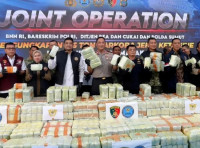
On 31 July 2026, three Malaysian men were detained at Hat Yai Railway Station in Thailand with 87 kg of crystal methamphetamine hidden in luggage and backpacks.
One admitted they had been recruited by a syndicate and promised RM8,000 each; the haul was valued at roughly RM4.3 million.
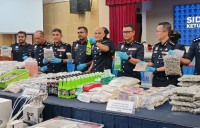
In Japan, recent years have seen multiple arrests of Malaysians smuggling stimulants, including a June 2025 case at Sendai Airport involving 9.2 kg of drugs impregnated in wet wipes and a May 2025 ketamine seizure at Fukuoka Airport.
Australia has recorded several cases too: a 66-year-old Malaysian charged in March 2026 at Sydney Airport with 5 kg of methamphetamine, and earlier large-scale plots involving Malaysians linked to shipments of MDMA, methamphetamine and “pink cocaine.”
Commercial pilots testing positive for illicit drugs while on duty remain extremely rare worldwide.
Industry random-testing positive rates in jurisdictions such as the United States stay well below 1 per cent.
The Malaysia Airlines incident is therefore an outlier, but an alarming one.
It underscores the need for more rigorous, unpredictable drug testing of flight crew and stricter oversight of airside access and baggage screening at KLIA.
Beyond the issue of narcotics, the same gaps raise legitimate concerns about other threats.
If large quantities of drugs can pass undetected, the possibility that explosives or other prohibited items could also slip through cannot be dismissed.
The Malaysian government and airport operator now face a clear imperative: transparent audits of screening technology and staff performance, tighter crew-vetting protocols, and closer coordination with regional partners.
Passenger confidence in KLIA’s security and Malaysia Airlines’ safety culture depends on decisive action rather than reassurance alone. – August 6, 2026