By Murray Hunter
THE number of registered autism cases under Malaysia’s Social Welfare Department has surged dramatically, from fewer than 7,000 children in 2013 to over 53,000 by 2023, nearly 59,000 children by the end of 2024, and total autism registrations among persons with disabilities climbing to around 90,000 by early 2026.
School-age prevalence rose from 6.34 per 1,000 children in 2018 to 9.29 per 1,000 in 2022.
Officials attribute much of this to greater awareness, improved screening tools such as M-CHAT, and expanded services.
Yet the scale feels mammoth, and it is placing intense pressure on families, the health system, and an already stretched education sector.
Autism spectrum disorder is a neurological condition affecting social communication, behaviour, and sensory processing.
It exists along a wide continuum, from individuals who need intensive lifelong support to those who are highly capable but struggle with social nuances, sensory overload, or rigid routines.
Consequently, severity varies enormously, which complicates both diagnosis and schooling.
Early signs can appear by age two, yet many children, especially girls who may mask symptoms better, are identified later.
Without timely intervention, developmental windows close and secondary problems, such as anxiety, behavioural challenges, and low self-esteem, compound into a complex array of symptoms.
Part of the rise is almost certainly better detection and broader diagnostic criteria, a pattern seen worldwide.
Awareness campaigns, teacher training, and parental recognition have brought previously overlooked cases into the system.
Several researchers are hypothesising that external or environmental factors, including discussions in other countries linking trends to COVID-19 vaccines, are also playing a role in the rapid increases in autism levels.
Other research is pointing to genetics (highly heritable), advanced parental age, and other prenatal influences as more established contributors.
The data do not allow definitive attribution, but the practical reality is clear: whatever the mix of causes, the caseload is here and growing.
The biggest issue is not the debate over origins.
It is the inadequate support for the children and the families carrying the load.
Parents often face long waiting lists for diagnosis and therapy at public facilities. Private early intervention and Applied Behaviour Analysis programmes can cost thousands of ringgit monthly, far beyond the reach of many households.
Rural families and those outside the Klang Valley fare worse due to uneven specialist distribution and limited facilities.
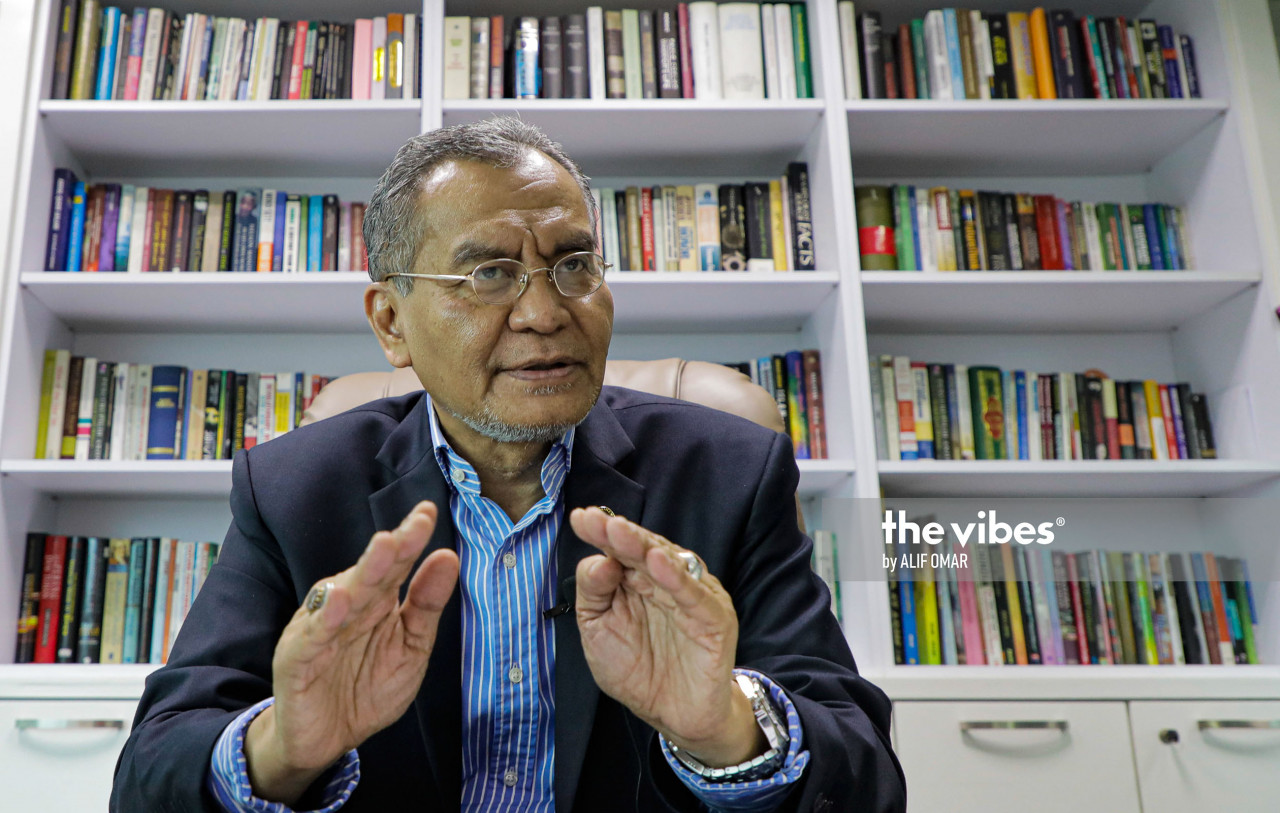
The Health Minister Datuk Seri Dr Dzulkefly Ahmad has acknowledged major gaps, with shortages of therapists, unbalanced specialist coverage (especially in Sabah and Sarawak), and constrained rural services. Families report financial strain, career sacrifices (often by mothers), marital stress, and isolation.
Without structured help, children risk poor educational outcomes, limited independence, and reduced life chances.
Malaysia’s education system is not equipped for the spectrum’s diversity.
Mainstream classrooms struggle with high support needs; dedicated special education programmes and PPKI units exist but lack sufficient trained teachers and tailored resources.
Some children thrive in inclusive settings with proper accommodations, while others require smaller, structured environments or specialised schools.
Segregation risks social isolation; full inclusion without adequate support risks failure for both the autistic student and the class.
Current initiatives include PERMATA Kurnia early intervention centres, NASOM programmes, Community-Based Rehabilitation, learning fee subsidies, and plans for more autism service centres and state-level education facilities are positive steps forward.
Yet capacity lags demand, and teacher preparation remains insufficient.
Overseas approaches offer practical lessons. Singapore’s Early Intervention Programme for Infants and Children (EIPIC) provides structured, family-centred support from a young age, often coordinated across health and education.
Australia emphasises needs-based funding (via the NDIS and the emerging Thriving Kids scheme) that can start on developmental delay without waiting for a full formal diagnosis, alongside inclusive education standards.
The United States’ Individuals with Disabilities Education Act mandates Individualised Education Plans with measurable goals and procedural safeguards.
The UK uses Education, Health and Care plans that integrate education, health, and social care.
The common threads within these programmes include: prioritising early intervention, training all teachers in neurodiversity, offering a continuum of placements (mainstream with support, hybrid, specialised), and treating family support as essential rather than optional.
Malaysia needs a coherent national response that treats the rise as a structural challenge, not a temporary surge. Mandatory modules on autism and neurodiversity should be embedded in all teacher training, with ongoing professional development and specialist support teams available to schools.
Expand affordable early intervention nationwide so children aged two to six do not lose critical years on waiting lists.
In addition, building a genuine continuum of educational options that are well-resourced, inclusive classrooms, integrated units, and specialised centres matched to individual needs rather than a one-size-fits-all model is required.
An increase the number of speech, occupational, and behavioural therapists, with incentives for rural and East Malaysian postings.
Strengthen financial and practical supports for families, with higher targeted subsidies, respite care, and flexible work arrangements for caregivers.
Finally, there is a need to improve data collection and inter-ministry coordination so health, education, and welfare responses are joined up.
The children already diagnosed will grow into adolescents and adults.
Without proper support scaffolding now, the long-term social and economic costs will be far higher.
Recognition of the scale of the problem, followed by sustained investment in capacity rather than incremental pilots, is the minimum required.
Families should not have to navigate this alone. The system must catch up. – September 27, 2026