MORE than 1.8 tonnes of suspected drugs were intercepted at three Malaysian airports in the first 11 months of this year, following routine passenger and baggage screening by aviation security personnel.
Malaysia Airports Holdings Bhd (MAHB) said 63 suspected drug-smuggling attempts were detected at Kuala Lumpur International Airport (KLIA), Penang International Airport and Sultan Azlan Shah Airport in Ipoh between January and November.
Cannabis accounted for about 97 per cent of the total drug weight seized through early detection by Aviation Security (AVSEC) personnel, with most cases uncovered during checked-in baggage screening at KLIA Terminal 1.
“All intercepted cases were handed over to the Royal Malaysia Police (PDRM) or the Royal Malaysian Customs Department for further action,” MAHB said in a statement today.
Routine passenger and baggage screening also led to the interception of 16 wildlife-related cases at both KLIA terminals between February and September.
These included two consignments containing more than 4,400 turtles, which AVSEC officers intercepted on June 16 after they had been loaded onto an aircraft.
Other cases involved turtles, gibbons and birds, MAHB said.
On Nov 11, Bukit Aman Narcotics Criminal Investigation Department director Datuk Hussein Omar Khan presented letters of appreciation to 80 KLIA AVSEC officers in recognition of their work.
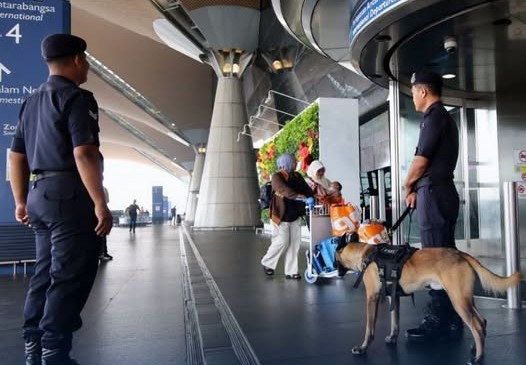
In a further effort to strengthen drug detection at KLIA, MAHB had earlier announced a pilot deployment of K9 detection units from the police and Customs Department inside the airport terminals, scheduled to begin on Oct 26.
The units are intended to complement existing passenger and baggage screening operations, with Malaysia Airports coordinating their deployment at KLIA.
MAHB managing director Datuk Mohd Izani Ghani said AVSEC personnel played a critical role in safeguarding the country's entry points.
“Their judgement in the moments before an aircraft departs can determine whether a suspected smuggling attempt is stopped while authorities still have an opportunity to act.
“Whether officers encounter suspected drugs or live animals, their role is to act swiftly and bring in the agencies with the authority and expertise to handle the cases,” he said.
Mohd Izani said MAHB was also expanding efforts to detect wildlife trafficking through collaboration with TRAFFIC International Southeast Asia.
Training is being provided to AVSEC officers, airport operations personnel and ground handlers to help them identify potential signs of wildlife trafficking and understand when and how such activities should be reported. - November 27, 2026