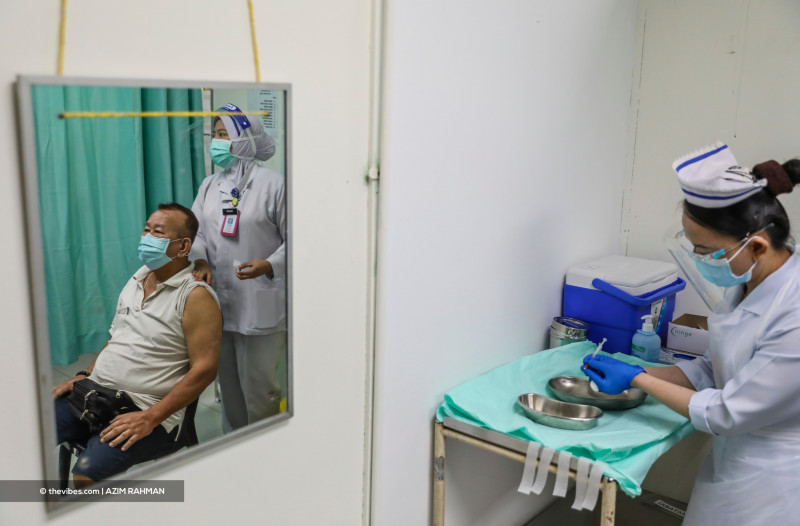

KUALA LUMPUR – The government’s decision to dip into the National Trust Fund (KWAN) to finance its vaccine purchase and immunisation programme has been described as a big boo-boo, especially when there are other prudent options available.
Economists expressed grave concern that this will only result in a savings shortfall, as the fund is meant to address future calamities. It also gives the wrong impression that the nation is in dire financial straits.
Prof Datuk Rajah Rasiah at Universiti Malaya said the government should have considered exhausting other sources of funding before dipping into KWAN.
This includes targeting the country’s additional international reserves gained from its rising trade surplus of 26.9% (RM184.8 billion) over the last year, and cutting down on non-essential expenditure.
“Given the massive surplus reported from March 2020 to March 2021, I am surprised our debt share is still reaching 60%. I think the government should use the balance of five months’ imports to international reserves to finance the immunisation programme.
“While it is okay to dip into KWAN if the country’s security is threatened, it seems that the priority should be reducing inessential expenditures, such as payments being made to an overly large government,” he told The Vibes.
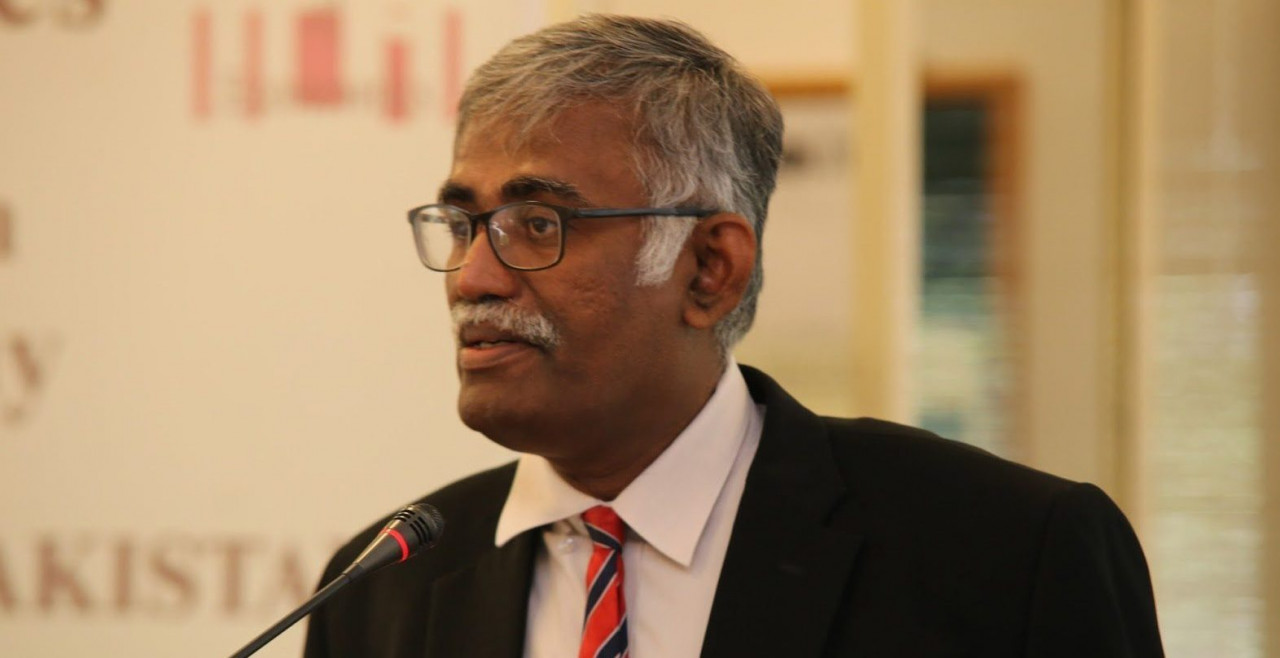
At this juncture, Rajah said, financing the country’s vaccination drive does not justify using funds from KWAN.
According to the National Trust Fund Act 1988, KWAN is paid by states through the consolidated fund and Petronas, for the exploitation of petroleum or other depleting resources.
“Far deeper and broader funds exist that are drawn from mining exports in a number of countries. These funds, too, have been used to address societal problems, such as poverty and the Covid-19 pandemic,” Rajah said.
The government had on April 21 promulgated an emergency ordinance allowing it to utilise KWAN, with Finance Minister Datuk Seri Tengku Zafrul Tengku Abdul Aziz announcing on Monday that RM5 billion will be used for vaccine procurement and related expenses.
This is despite Tengku Zafrul having already announced funding for the programme as part of Budget 2021 during its tabling last November, before clarifying yesterday that the fund was never allocated as part of the budget, drawing widespread criticism.
He also claimed that the government had no choice but to use the trust fund as its finances is nearing the 60% debt ceiling due to having to service 1Malaysia Development Bhd (1MDB) loans, among others, with the current debt level at 58% of gross domestic product.
Raising debt ceiling a better choice
Sunway University Business School economics professor Yeah Kim Leng said while he understands the government’s reasons for using the fund, it is a suboptimal option compared with raising the debt ceiling.
He said given the current low interest rates of loans and government bonds trading at lower yields, this would have been a better solution.
“Yes, using KWAN helps prevent further crisis and ensures the economy is not permanently damaged, but the best option would be to relax the debt ceiling limit temporarily, perhaps to 65%.”
The government already raised its debt ceiling from 55% to 60% last August, the first time it has done so in more than a decade.
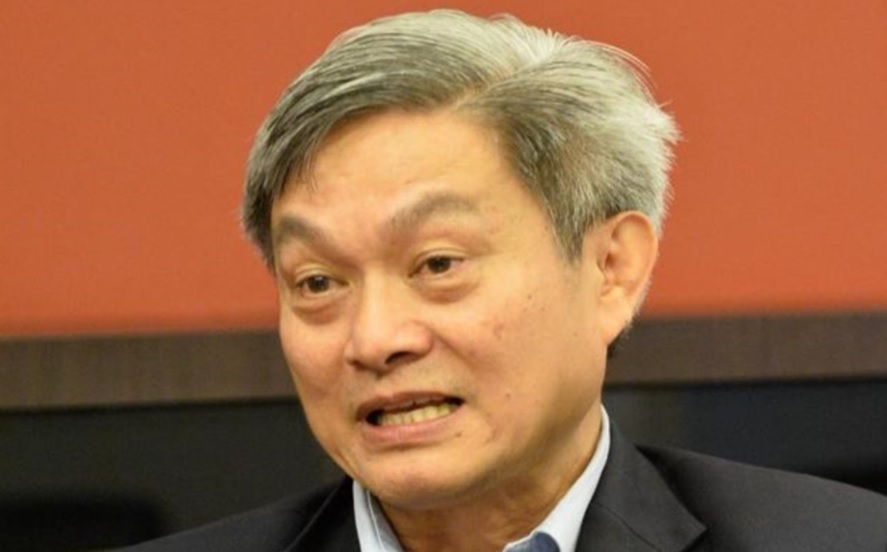
However, with parliamentary approval required for these changes to be implemented, Yeah said this may explain why the government refuses to increase the ceiling further.
He added that this would necessitate Parliament to reconvene amid the emergency – something the government has been reluctant to do, considering the shaky position Prime Minister Tan Sri Muhyiddin Yassin is in.
On why he believes the government backtracked on its Budget 2021 announcement that funds have been allocated for vaccines, Yeah said this could be due to increasing demands from other areas of spending.
“As such, it is not able to cut down on expenditure. If it had been able to cut back, it certainly would have already done it as this does not reflect well on our fiscal performance.”
A dangerous precedent
Former Treasury secretary-general Tan Sri Mohd Sheriff Kassim similarly believes going down the loan route would have been a better, safer option, considering this would cost the government less.
He said with oil prices remaining high and export earnings showing an upward trend, the government could still afford to borrow more.
This, he added, is provided the administration gives a clear commitment on fiscal reforms in the near future.
“Withdrawing from KWAN could send an unhealthy signal that the country is in deep financial trouble.
“It could also set a dangerous precedent and can be abused by irresponsible quarters,” Sheriff, who is also a member of the prominent and moderate group of former civil servants G25, said. – The Vibes, April 28, 2021