GEORGE TOWN – Toxic chemicals contained within plastic waste exports from developed countries are allegedly contaminating food products in developing countries.
Virtually all plastics contain hazardous chemical additives, according to a newly released study by the International Pollutants Elimination Network (Ipen).
The network in a statement said most of the plastic waste exported from developed nations to ones with developing economies or economies in transition often end up being burned, or dumped in landfills and waterways.
Such disposal methods result in highly toxic emissions that remain in the environment for decades, and eventually build up in the food chain, it added.
Registered in Sweden, Ipen – a global environmental network of over 600 public interest non-governmental organisations (NGOs) in 124 countries – is working to eliminate and reduce the usage of hazardous substances, and forge a toxic-free future for all.
Its recent study titled “Plastic Waste Poisoning Food and Threatening Communities in Africa, Asia, Central and Eastern Europe, and Latin America” presents how plastic waste handling methods end up poisoning local populations.
For this study, NGOs in 14 countries that mostly receive plastic waste from abroad collected free-range chicken eggs in the vicinity of various plastic waste disposal facilities and sites.
These sites included electronic and plastic junkyards; dumps, and recycling and shredder plants that deal with significant amounts of plastic refuse; and waste incineration and waste-to-energy operations.
The eggs were then analysed for contamination of dioxin, which is a highly toxic by-product of open burning, crude recycling, chemical production and incineration technologies.
They were also analysed for other toxic chemicals – known as persistent organic pollutants (POPs) – that have been or are in the process of being banned globally by the Stockholm Convention.
Even small amounts of these toxic chemical additives and by-product emissions can cause cancers, damage to the immune and reproductive systems, impaired intellectual functions, and/or developmental delays.
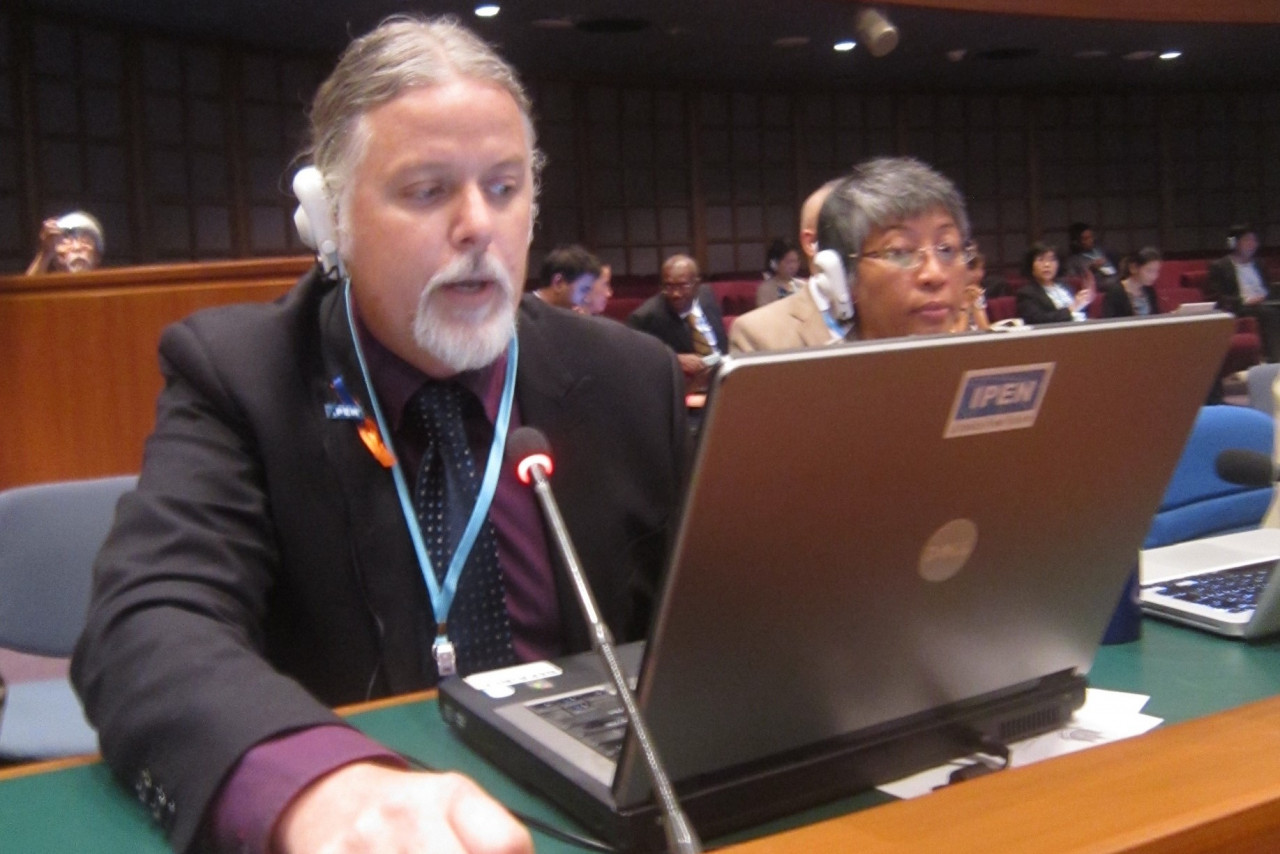
Ipen POPs policy adviser Lee Bell said: “This report confirms that the harm being caused by plastic waste exports is not limited to visible litter and pollution, but includes the insidious damage to human health caused by contamination of the food chain in importing countries.”
“Toxic chemical additives and the most hazardous substances in the world are literally bleeding into the food supply of those countries.”
The report also found that the levels of dioxin in eggs in some locations were so high that residents could not consume a single egg without exceeding the safe limits for these chemicals established by the European Union.
The analysed products contained some of the most toxic chemicals ever studied, many of which are banned or regulated by international law, including dioxin and chemical additives PBDEs, PCBs and SCCPs.
In one location in Indonesia, the dioxin levels in eggs were at a similar level to those sampled on a former United States Air Force base in Vietnam, which were heavily contaminated by Agent Orange during the Vietnam War.
The study’s co-author, Jindrich Petrlik, said in the vicinity of a dump in Pugu Kinyamwezi, Tanzania, eating just half an egg would exceed the European Food Safety Authority’s tolerable daily intake limit by 7.5 times.
“It is unconscionable that people are exposed to such dangerous levels of contamination.”
Nexus3 Foundation co-founder and senior adviser Yuyun Ismawati said: “In addition to domestic waste challenges, Indonesia is also flooded with foreign plastic waste.”
“We had some of the highest toxic levels recorded in the study. It is dishonest and irresponsible to export dumps to us under the guise of fake recycling.”
In Penang, Sahabat Alam Malaysia has always been championing the eradication of plastics in favour of sustainable packaging.
For now, the state’s notable policy is the banning of single-use plastics at some hypermarkets and supermarkets.
Penang environment exco Phee Boon Poh said he hopes that the state will be the leader in eventually eliminating the reliance on plastic, particularly the hard-to-recycle type. – The Vibes, July 11, 2021