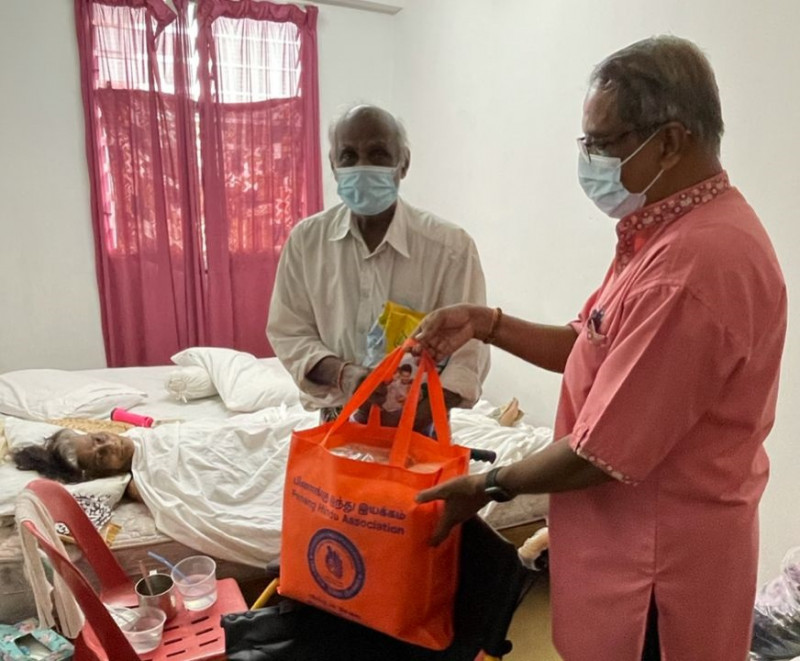

GEORGE TOWN – Malaysia’s increased poverty rate warrants monitoring from the federal and state governments on controlled price items and sales tax in the market, said Penang Hindu Association (PHA) president P. Murugiah.
Murugiah said that a public forum involving experts should be organised to instill awareness about price control.
“Right now, consumers are very affected. We used to look at the rate of inflation and the cost of living, but we also see how the government has failed in monitoring controlled price items.
“There are many who cannot afford their daily necessities because they have had to take pay cuts or be let go from their jobs. We need to get to the root of the problem and come up with a proper pricing system so that people can afford to put food on their tables,” he told The Vibes.
Sales tax accumulated from manufacturers, wholesalers, suppliers, and retailers can amount up to 22% on top of the original price by the time the item reaches the consumer.
“It does not help that most subsidised items are channelled to food and beverage businesses instead of needy consumers.
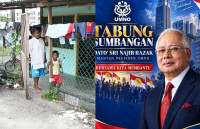
“It was indeed shocking to read the official survey report by the Statistics Department saying that the incidence of absolute poverty in our country rose from 5.6% in 2019 to 8.4% in 2020. One shudders to think of its percentage in 2021.
“Although the cause of this worrisome rise is primarily due to the pandemic, it should not be held solely accountable for the economic slowdown.”
Murugiah said so much more could be done on top of welfare aid, which has proven to be insufficient.
“There is no proper monitoring of the pricing system, and the ones most affected are the consumers. It is time to conduct checks and order that items under controlled pricing be shown.
“Even if they cannot physically go out and monitor, government servants can call the shops up. They can monitor online or request a video of item prices. There needs to be a system.”
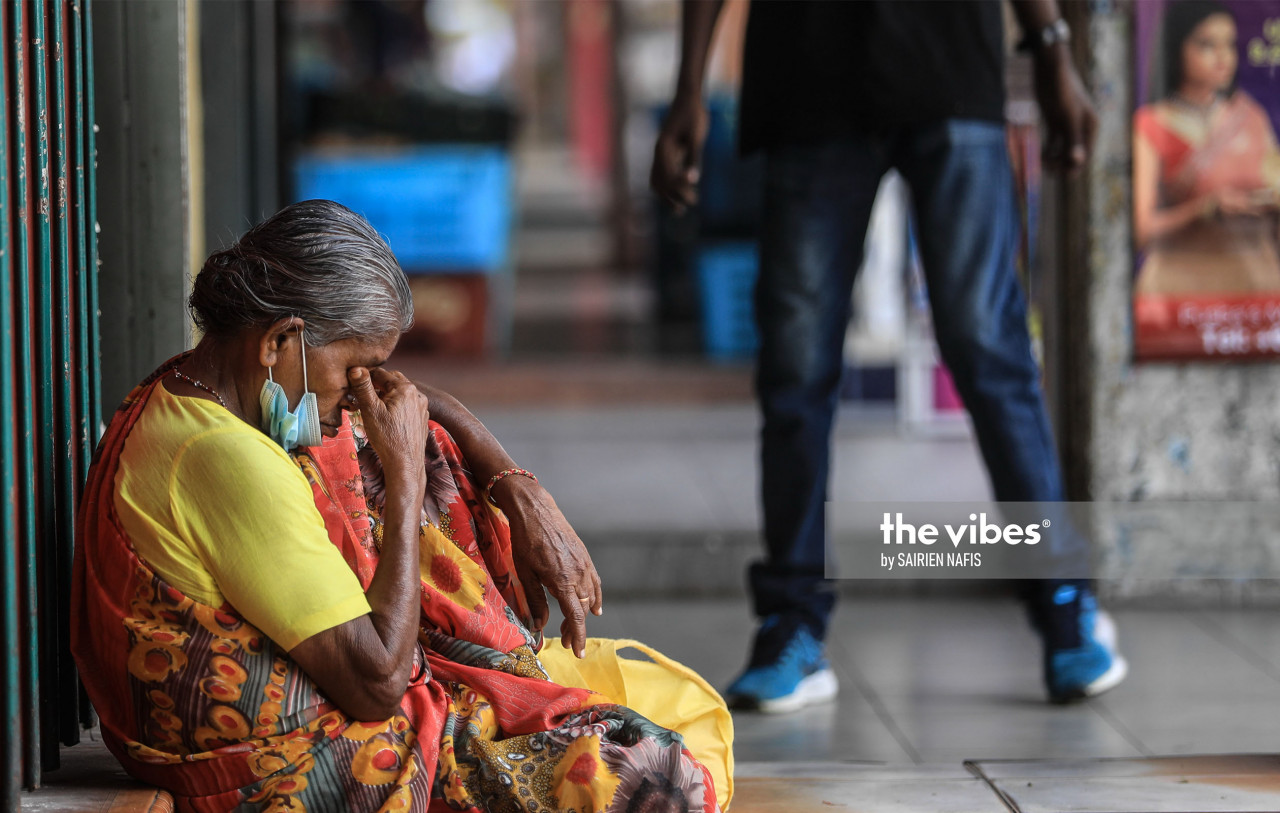
Because of this lapse, Murugiah said, many shop owners have increased their prices, with some wholesalers selling rice without a permit and becoming the ones in control of the market price.
“This is not only applicable to food but also hardware shops. What kind of system does the government have? It should not be working on complaints alone; it has to be on the field.
“I have asked these businesses if people come in to check the prices, and they said there were none.
“If you ask people if they know what the capped prices for controlled items are, most would not know, and that is how they are taken advantage of,” he said.
Charity healthcare Klinik Derma SivaSanta (KDS) believes comprehensive planning, effective logistics, and monitored implementation of economic and compassionate support can to a certain extent curb the drastic uptrend in Malaysia’s poverty level.
Throughout the pandemic, KDS has worked with several NGOs like Penang Food Aid; retailers including Eye Brand Curry Powder, Syarikat Rempa Jaya Sakti, Giri Ashram, and Sivam Catering; institutes like Community Service Project by students from Inti International University & Colleges; and many individuals to provide food aid to the needy.
They include those who have lost their jobs, single parents, and the physically challenged, as well as students who face financial difficulties and are unable to pay their fees or purchase the required facilities for online classes.
KDS, the community healthcare arm of The Temple of Fine Arts, was established in 1982 by its founder Swami Shantananda with a team of volunteer doctors in memory of his guru Swami Sivananda.
Since then, it has been serving the sick and needy in both urban and rural areas of Malaysia. With its network of clinics in Kuala Lumpur, Penang, and Johor Baru, and the medical camps it has been organising for the last ten years, Klinik Derma SivaSanta has served more than 130,000 patients so far.
Both PHA and KDS have always reached out to identify the needy sector of the society and provide them with food and medical and academic aid, as well as welfare support within their means.
Their helping hands have not only reached out to the needy in Penang but also to individuals and families in the mainland, as well as in parts of Kedah and Perak. – The Vibes, September 19, 2021