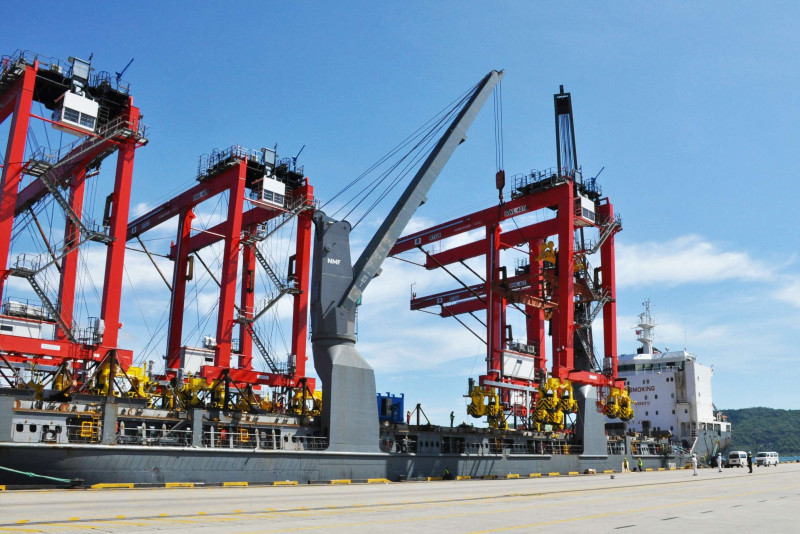

KOTA KINABALU – Foreign shipments supposedly bound for East Malaysia are being dropped in bulk at Port Klang by international liners, causing a chokehold at the international port while leading to a rising costs of imported goods in the two Borneo states.
Speaking to The Vibes, industry players shared that international shipping firms do not like to make a call to ports in East Malaysia due to poor efficiency in those ports – especially those in Sabah.
As a result, these shipping firms prefer to drop their goods at Port Klang for the local liners to ship them to Sabah and Sarawak.
Pacific Selatan Agency director Esther Wong said local vessels themselves are struggling to cope with the domestic shipment and this has caused a chokehold at the peninsula port.
“It is a build-up. Yes, we (local liners) are not able to take the international liners volumes… since the government lifted the cabotage policy, they would be able to load with the direct lines.
“But they did not. Instead, they expect us to back them up, so they want us to help them to move their goods to East Malaysia.
“It is not our issue if they don’t call Sabah and Sarawak’s ports. We are ourselves already full and that is the situation,” she explained.
Drastic increase in vessel turnaround
When it comes to the allegation of poor port efficiencies, data obtained by The Vibes from industry sources showed vessel waiting time at the Sabah ports was significantly becoming slower for domestic liners.
It has drastically increased from only eight hours and forty minutes on average in July last year to more than three times the amount where the waiting time is now 29 hours and 24 minutes in March this year.
The waiting time at Sabah ports was the worst last February when it peaked to 91 hours and 18 minutes.
Domestic liner port stays from arrival to departure had also become much longer that it took only 38 hours in July last year to 72 hours and 14 minutes in March this year.
In February, the liner stay hours on average was 143 hours and 20 minutes.
Port efficiency is calculated on the speed of a vessel’s turnaround after they have arrived.
The lack of efficiency at Sabah ports have been attributed to the reason why many large shipping firms refused to call at the ports in Sabah.
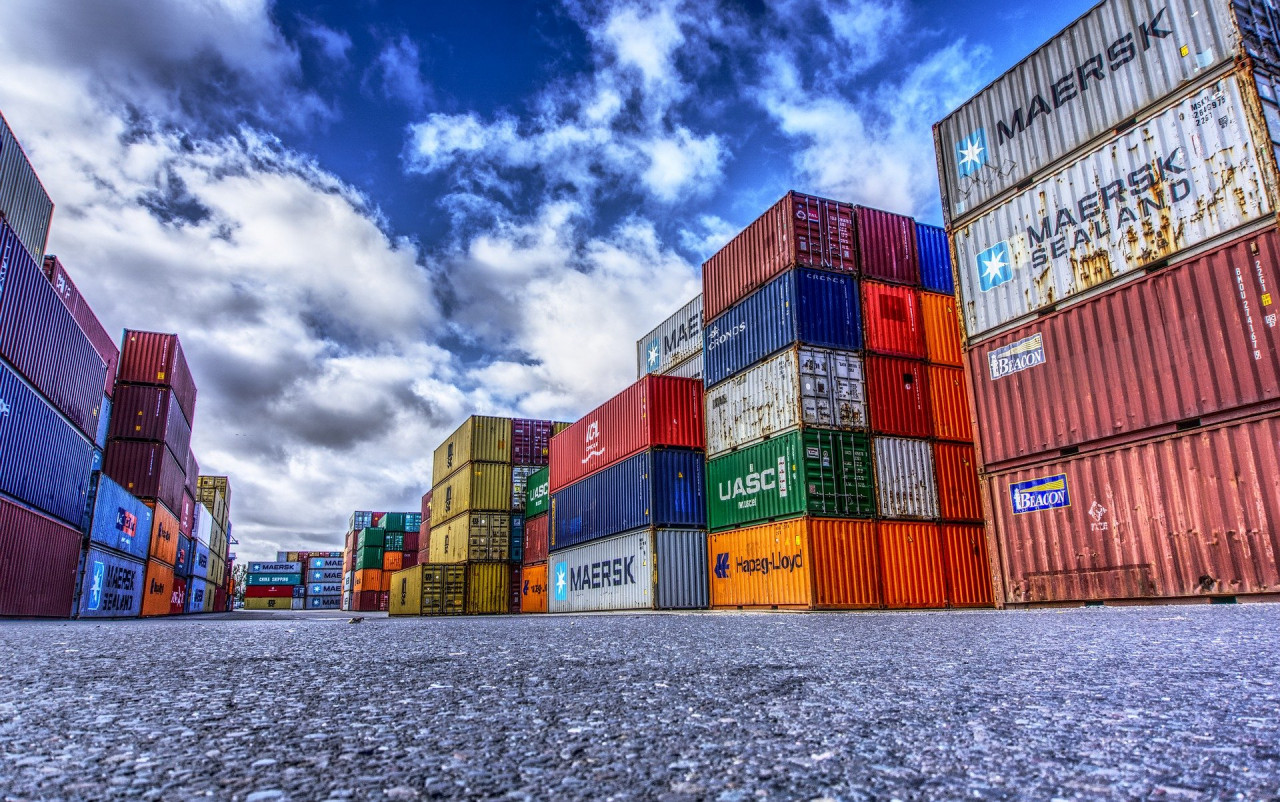
Businesses hit by rising logistic costs
Kota Kinabalu MP Chan Foong Hin observed that this was among the reasons behind the mounting price of imported goods as the problem of increasing logistical costs has hit businesses and the prices of goods, including basic necessities such as foodstuff.
The lawmaker noted that foreign suppliers were also not able to send the goods to Sabah at one point and buyers had to find a third-party shipping agency to send their goods over.
“To put it crudely, large shipping companies have abandoned Sabah,” he said, adding that the Covid-19 pandemic has also forced the suspension of carrier services and at present international liners have no obligation to dock their vessels in Sabah.
As a result, some domestic liners raised their rates to cover the increasing demands.
Last month the cost of a 20ft container was only RM5,000 but it has now peaked to RM8,000 per container, industry sources said.
Lifting of cabotage policy reason behind problem
When asked, Esther Wong explained that the situation would have come under control if the lifting of the cabotage policy did not happen.
The cabotage policy was rescinded in 2017 in Sabah and Sarawak and foreign vessels have been allowed to land at Sabah ports directly.
But this has not resulted in a lower cost of living.
“The minute they reinstate the cabotage, the price can be controlled. The policy has nothing to do with international liners not being able to come in.
“But you let them in also because they don’t want to come as the rate is just too low for them to sustain. They may have enough to drop the goods, but the volume of pick-up is very, very low,” said Wong.
Meanwhile, another insider who requested anonymity, observed that when the government lifted the cabotage on the request of the people in Sabah, they were killing the domestic liners.
“By lifting the policy, they are allowing new competitors to whack us. So, by right, the rates would go down, yes? No. Despite this, the rates are going up because the international liners are not coming in.
“Although the cabotage has been lifted, instead of bringing the cost of transporting goods down, it has gone up. And this is causing the cost of goods and living in East Malaysia to have gone up.
“No good things have come about this. Honestly when the cabotage was opened, it became a demand and supply thing – a free market. There’s no control and that is why our rates all went up,” he said. – The Vibes, May 28, 2022