Malaysia

Sabah mosques can run normal programmes with limitations

Prayers, sermons, ceremonies restricted in duration, congregation size to prevent Covid-19 spread

Updated 5 years ago · Published on

Sabah mosques can run normal programmes with limitations
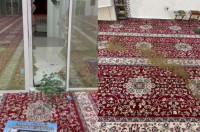
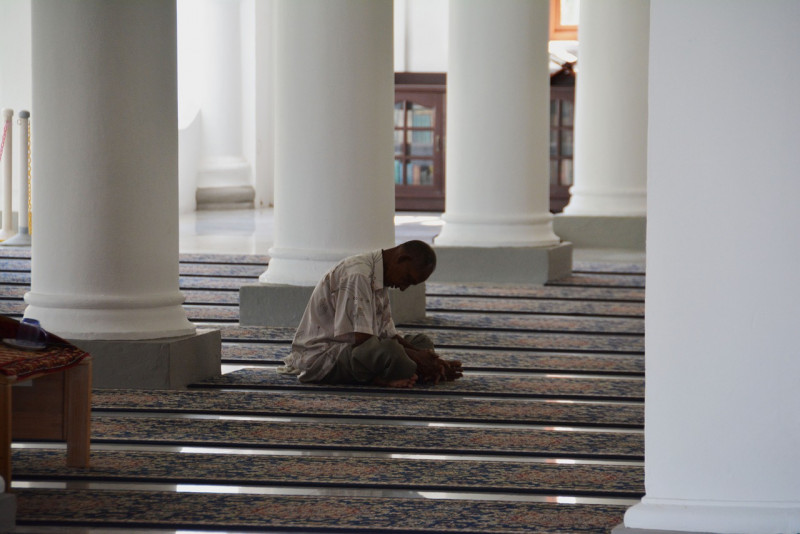
The Sabah government has agreed to allow normal activities at mosques and surau for all zones in the state to resume effective immediately. – Pixabay pic, December 8, 2020

by Neil Chan

KOTA KINABALU – The Sabah government has agreed to allow normal activities at mosques and surau for all zones in the state to resume effective immediately.

Sabah Covid-19 spokesman Datuk Seri Masidi Manjun said the state government has agreed to the state mufti’s proposal to allow such activities during the conditional movement control order period from December 7 to 20.

“All prayer activities in mosques and surau are allowed, including Friday prayers, for all zones in Sabah,” he said, adding that programmes, like the mid-morning dhuha and Maghrib sermons, must not exceed an hour in duration.

He also said the congregation size must not be more than one-third of the prayer hall’s capacity and must incorporate physical distancing.

“Religious classes are allowed in the mosque’s halls or special rooms, but cannot exceed five hours.

“Participants must not exceed 20 people and must comply with all standard operating procedures (SOPs) issued by the authorities,” he said, adding that solemnisation ceremonies are also allowed.

He said children aged 10 years and above are allowed to visit mosques and surau.

Masidi also said all traditional and complementary medical services, including those run by Islamic medicine practitioners, are allowed to operate on condition that they abide by SOPs set by the National Security Council.

He said healthcare employees must wear personal protective equipments when dealing with customers, who must wear face masks, undergo temperature screening and register, either manually or by using the MySejahtera application, before entering the premises.

“Services that stimulate the production of bodily fluids, such as phlegm and mucus, are not allowed, and the products used cannot be shared. The wearing of gloves by the practitioner is also compulsory for any treatment involving touch.”

Masidi said disposable mats or linen used during treatment, such as sheets, pillowcases, towels and other fabric, must be changed after each session. – The Vibes, December 8, 2020
Related News

Opinion / 3d

When those entrusted to defend the country are accused of drug smuggling

Opinion / 1mth

The Malaysia Agreement 1963: Grievances and expectations in Sabah and Sarawak

Malaysia / 1mth

Budget 2027: Sabah, Sarawak to receive RM34.9b in federal allocations next year

Malaysia / 1mth

Vandalism at mosque: Blaming the MADANI govt ‘unfounded and ridiculous’ (video)

Events / 1mth

Sarawak and Sabah play key roles in weathering climate change

Malaysia / 1mth

Address security concerns and let concert proceed – former Sabah CM

Spotlight

Malaysia

Anwar receives special recognition as 10,000 Muslims gather in Putrajaya

Malaysia

Video of elderly man being assaulted goes viral on social media

Malaysia

The wide reach of corruption and organised crime in the country

Malaysia

Malaysia pushes to give smaller economies stronger voice in Asia-Pacific trade – Anwar

Malaysia

No tsunami threat to Malaysia after 5.4-magnitude earthquake hits Banda Sea

Malaysia

Who is calling the shots in Negeri Sembilan as Ismail’s position comes under scrutiny?

Opinion

Ayob Khan: When the uniform comes off, the principles remain

Malaysia

MySiren to send emergency alerts to compatible phones nationwide from Nov 29 test

You may be interested

Malaysia

AGC to defend royal institution, Constitution in Najib house arrest challenge

Malaysia

Indonesia seizes RM229m in drugs from Malaysia-linked trafficking network

Malaysia

Sarawak PRN: DAP announces 9 candidates, including an MP and former senior cop

Malaysia

Four 1MDB-linked paintings to be displayed publicly, free of charge

Malaysia

It wasn’t the Government that leaked Najib's conditional pardon documents - Anwar

Malaysia

Almost half of Malaysians see law enforcement as highly corrupt

Malaysia

Speaker reprimands ministers over outstanding written answers to MPs' questions

Malaysia

Amir Hamzah keeps focus on Finance Ministry mandate as Dec 11 term expiry looms