KOTA BARU – The extent of plastic pollution continues to grow with microplastics now found in more than half of human organs.
It is common knowledge that microplastics – smaller than a flax seed at 5mm or less – are ubiquitous in the human food chain, especially seafood and drinking water. They are also found in the air we breathe.
It should come as no surprise these microplastics have been found in human bowels too.
A group of Malaysian investigators detected microplastics in colectomy specimens of all 11 study participants (nine with colon cancer and two with normal colons). A colectomy is when a part of the colon or large intestine – where faeces is formed – is removed.
On average, there were 300 microplastics per bowel sample, most commonly transparent in colour and filament (twisted strands of cell proteins) in shape. The polymers found in these plastics include polycarbonate, polyamide, and polypropylene.
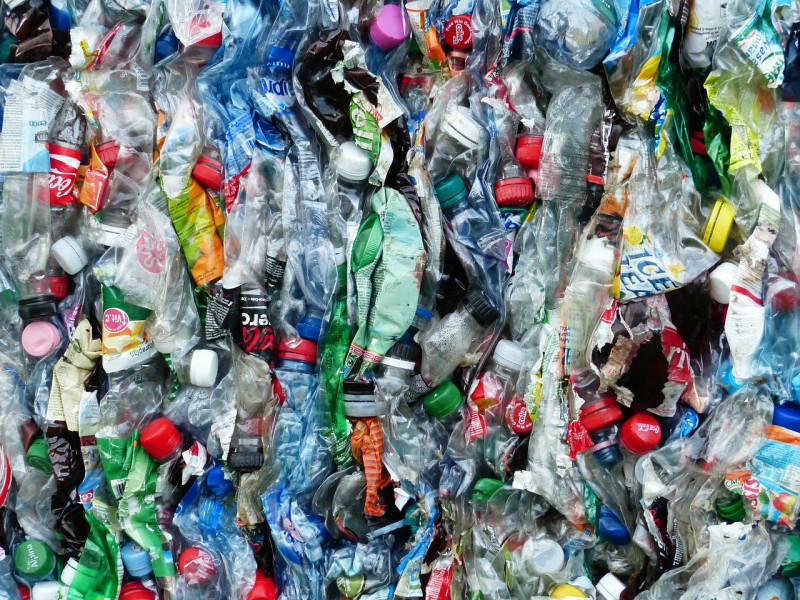
There is great danger in this development.
Plastics can leach hormone-like substances from polymers, for example, bisphenol A or BPA, which may cause metabolic disorders or potentially cancer.
Microplastics could also absorb and bind harmful additives or chemicals, which may increase the risks of obesity; cause some form of cancer, for instance, breast cancer; and may be responsible for low sperm counts in males and early puberty in females.
Microplastics may accumulate at the tissue level and result in disease including inflammation.
They may move through the bloodstream or the lymph system (tissues and organs that produce, store, and carry white blood cells that fight infections) and be deposited in other organs, including the heart and lungs.
Plastics may also induce changes in gut bacteria and interfere with our immune system, causing infection. All the above have potential adverse effects, although further studies are needed.
Half of plastic waste ends up in water
Effective solutions can only come from the global community.
As the UN Environment Programme rightly points out, “plastics are the largest, most harmful, and most persistent component of marine litter”.
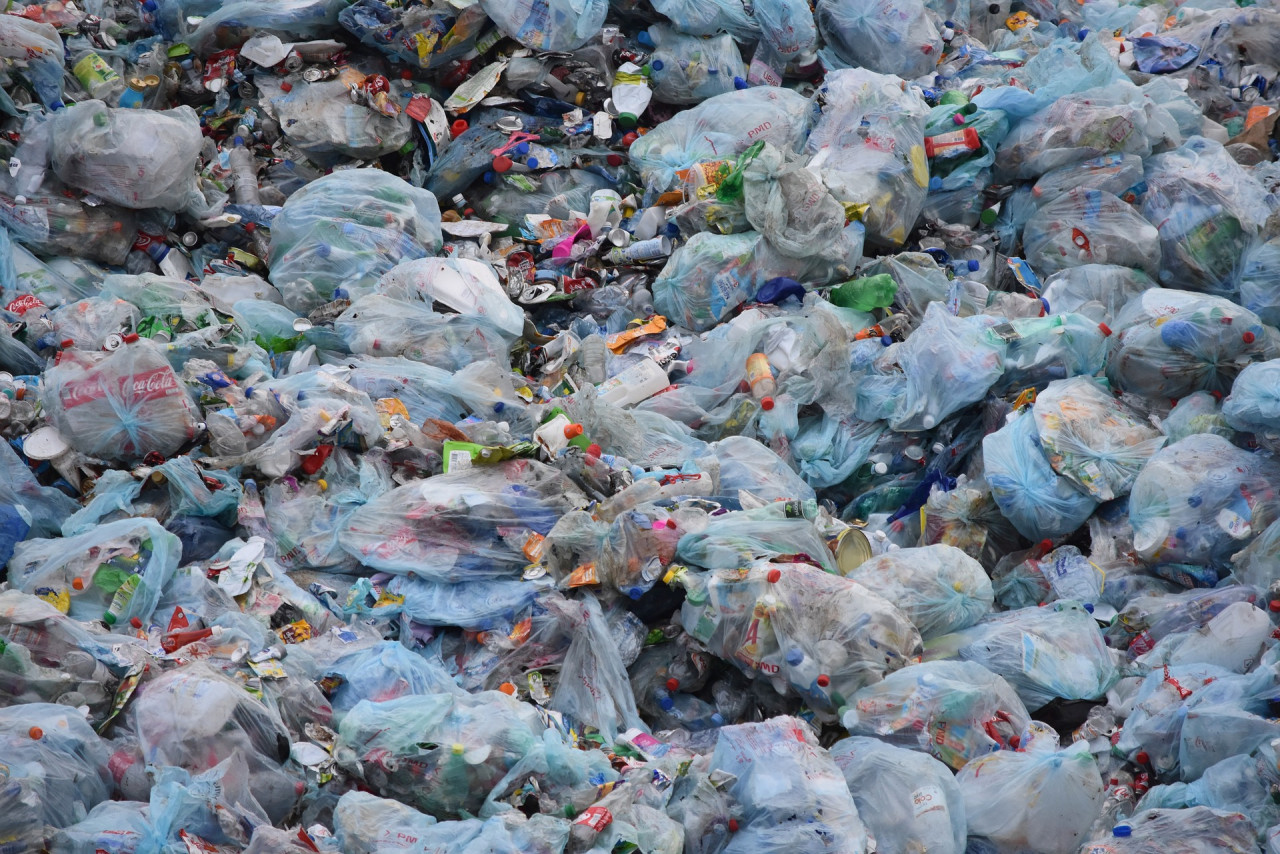
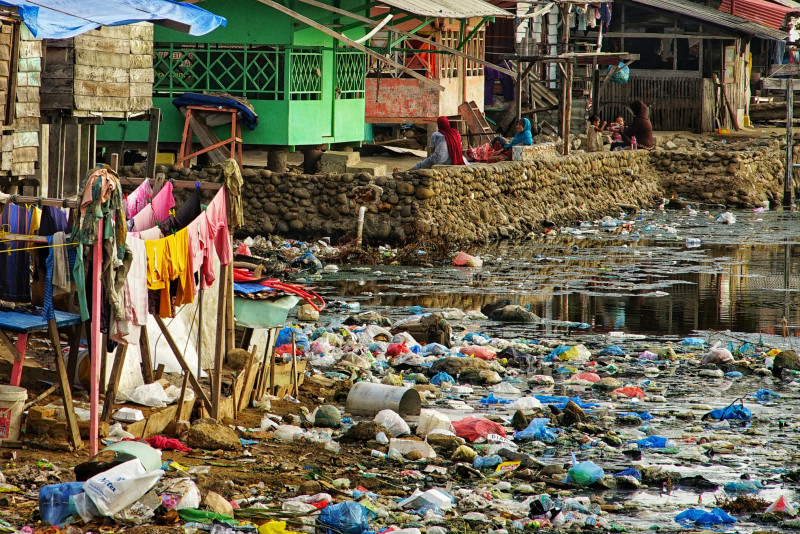
One report estimates that Malaysia alone produces a million tonnes of plastic waste; almost half ends up in Malaysian waters. Most disturbing is the sharp growth of plastic waste, expected to triple by 2040, and the potential impacts on climate, wildlife, and human health.
At the 26th UN Climate Change Conference summit in Glasgow in 2021, addressing plastic pollution was among the primary concerns with governments looking at cooperating to do this within the broader goal of tackling climate change.
Non-governmental organisations such as the World Gastroenterology Organisation have a climate change working group to provide “green” directions, strategies, and activities for its members and the public.
On the national front, Malaysia has drawn up a regulatory roadmap from 2018 to 2030 to move to zero single-use plastics.
The country aims for single-use plastics to be replaced with eco-friendly materials based on a circular economy roadmap, pollution charges to be levied, and more research funding sought for biodegradable products.
There are challenges though – including poor awareness, lack of integrated waste management, high costs of alternative materials, and enforcement difficulties.
Public education, policy enforcement crucial
It is clear that removing plastic waste is vital and everyone has a role.
Public and private investment for more effective strategies to remove plastic pollution while developing sustainable alternatives and a more integrated waste management approach should be accelerated.

Public education campaigns on all aspects of microplastic pollution are also key with the aim of empowering communities towards behavioural change.
Policymakers, businesses, academia, and society must be encouraged to take proactive steps towards a circular economy.
All stakeholders should accept responsibility for tackling pollution in a holistic manner from production to the end users. That is, closing the loop.
Research activities should also be supported at all levels to help determine the impact on human health and disease.
While more research is needed, the evidence so far is clear that microplastics are a potentially serious human health hazard. Therefore everyone plays a role in curbing plastic pollution and turning the tide on climate change. – The Vibes, June 5, 2023
Prof Dr Lee Yeong Yeh is a lecturer, scientist, and medical consultant of gastroenterology, hepatology, and internal medicine at the school of medical sciences at Universiti Sains Malaysia in Kota Baru
This article is presented here in conjunction with World Environment Day which falls today. This year’s theme is “Beat Plastic Pollution”
Published under Creative Commons and in partnership with 360info.org