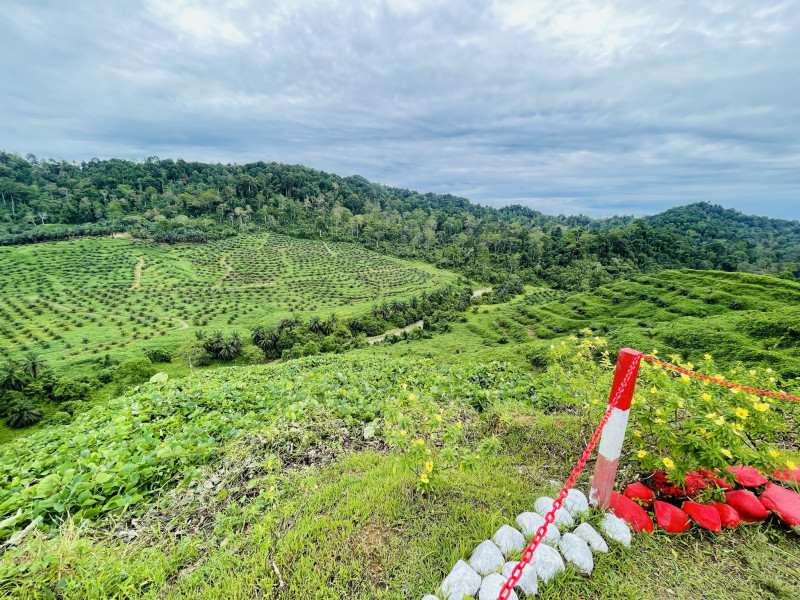

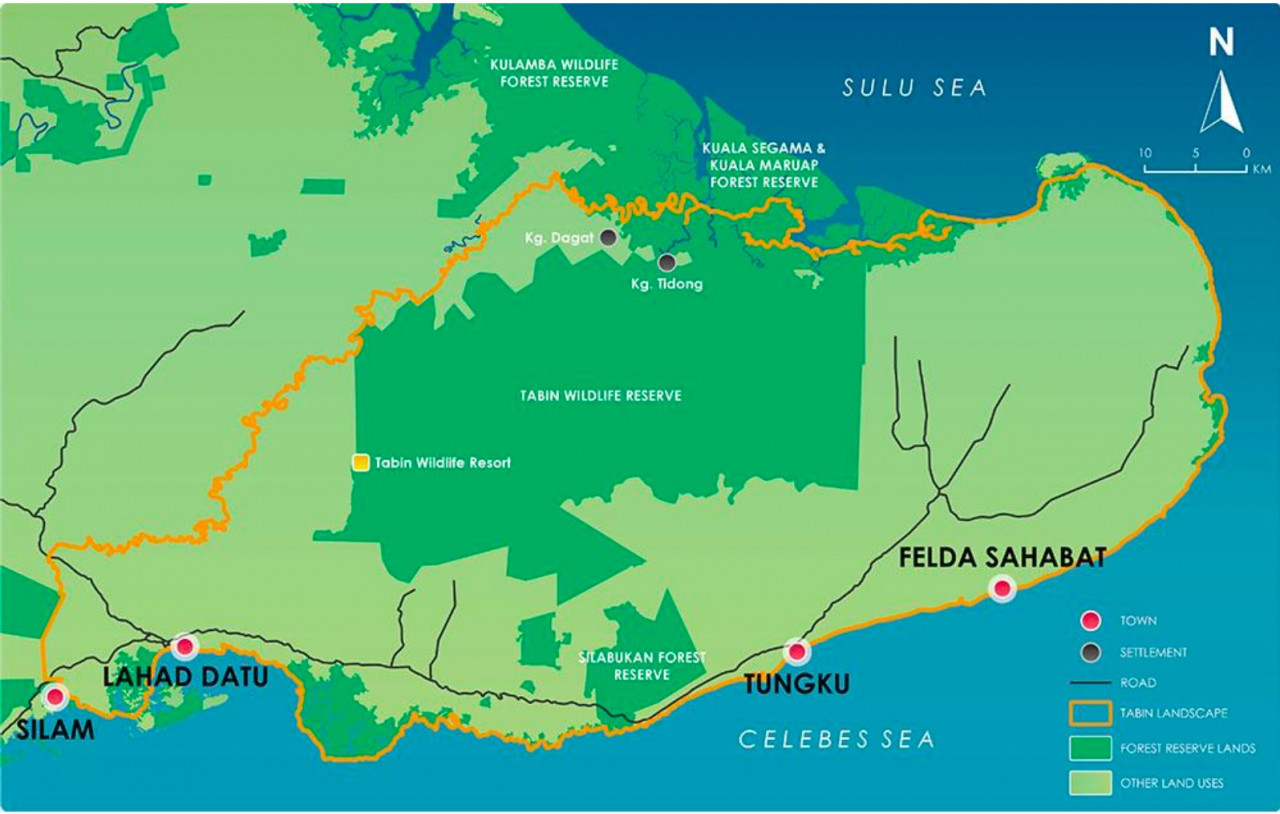
KOTA KINABALU – The Tabin Wildlife Reserve in Lahad Datu will showcase how conservation and palm oil plantations can co-exist through measures undertaken by WWF-Malaysia and Sabah-owned oil palm firm Sawit Kinabalu.
In a media briefing, the entities said these measures include planting hundreds of fast-growing trees to establish an ecological corridor in the company’s plantation.
This will reconnect the Tabin Wildlife Reserve with the smaller Silabukan Forest Reserve to the south and provide passage to wildlife which had been cut off by Sawit Kinabalu’s plantation land, called Bagahak Estate 1.
WWF-Malaysia produce lead Max Dionysius said the wildlife corridor is a measure under WWF-Malaysia’s Living Landscapes Approaches (LLA) framework, which has enabled palm oil players and conservation groups to work together to achieve conservation goals.
LLA outlines three core pillars namely, “protect, produce, and restore”.
The framework can help palm oil growers comply with the Roundtable on Sustainable Palm Oil (RSPO) standards and obtain RSPO certification.
In Sabah, the LLA framework is used by WWF-Malaysia on three projects: the Tabin Landscape, the Tawau Landscape, and the Lower Sugut Landscape.
For the Tabin Landscape, the project is funded by German’s Beiersdorf AG, producer of the Nivea cream.
Ecological corridor: helping orangutans, banteng
Planting of trees for the Bagahak Corridor to connect the Tabin and Silabukan reserves began a year ago, and to date, some 10ha have been planted with fast-growing trees and figs.
WWF-Malaysia landscape lead Donna Simon said that the trees were planted along a 4km stretch of Sg Iban, a river that runs through Bagahak Estate 1 plantation.
The planting was carried out up to 50m from each side of the riverbank or riparian area.
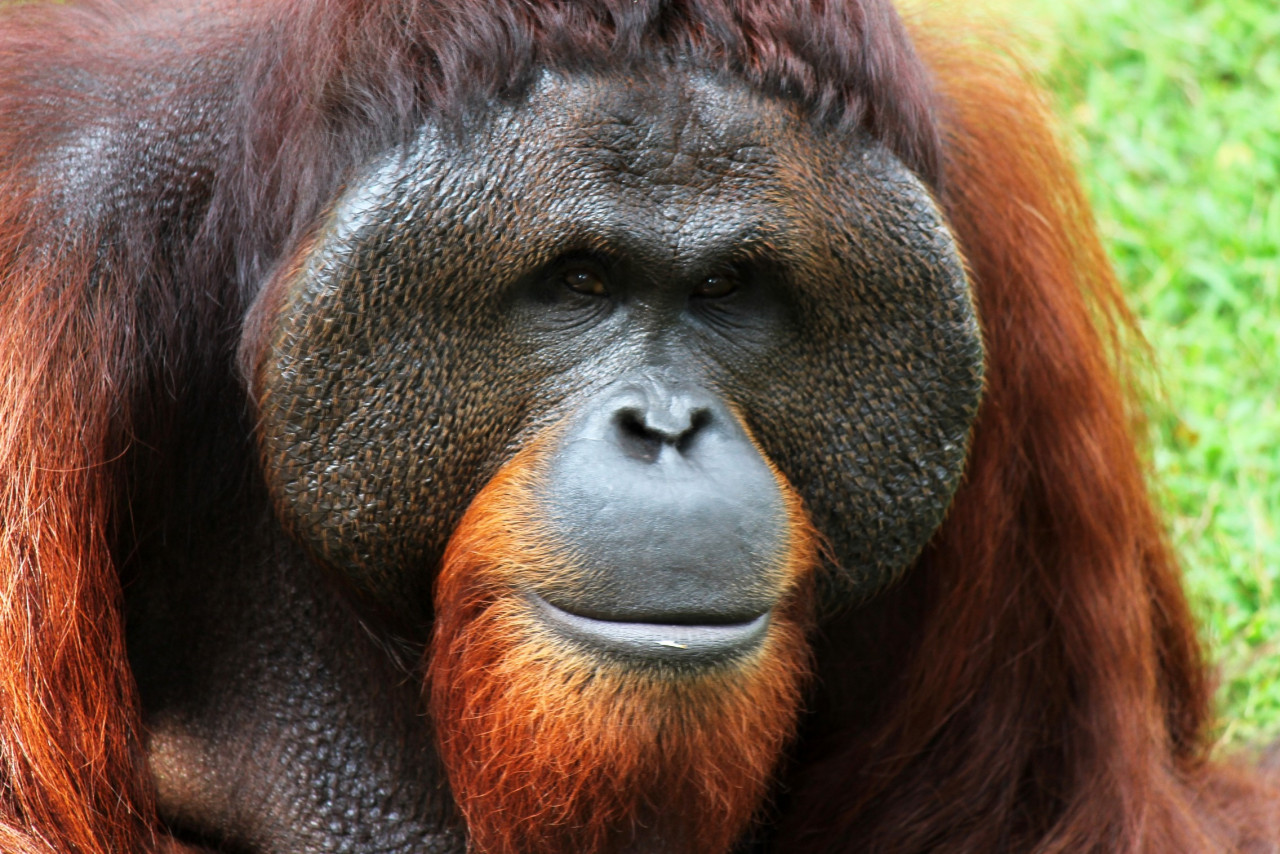
The corridor will help the orangutan population residing in the Tabin and Silabukan reserves adjacent to the plantation.
“Currently, approximately 1,200 orangutans inhabit the eastern lowlands of Tabin, while 50 individuals reside in Silabukan,” said Simon.
The wildlife corridor will also help the banteng, a species of Bornean wild cattle listed as endangered on the IUCN Red List of Threatened Species.
Experts have warned that the banteng and Borneo pygmy elephants could face a fate similar to the Sabah rhinoceros, which became extinct in late 2019 due to habitat loss, poaching, and low reproductive rates.
Repurposing old logging trails
Another measure under the LLA Framework for the Tabin project is creating a 2.5km grazing field within the Tabin Wildlife Reserve for Banteng to roam.
WWF-Malaysia said it is collaborating with Bring Back Our Rare Animals (Bora) to establish the field on old logging trails within the reserve, which consists of previously logged, secondary forests.
Other partners in creating the grazing field are the Sabah Forestry Department and the Sabah Wildlife Department.
Currently, there are approximately 326 Bornean banteng remaining, with the largest known population of 52 individuals found in Tabin,” said Bora’s executive director, Datuk John Payne.
To enhance the habitat, artificial salt licks have been placed at the pastures, providing additional minerals.
Supplementary grass has also been planted to improve the quality and quantity of food available for the banteng’s growth, breeding, and survival.
A related project that helps provide food for wildlife whose food sources become scarcer as forested land is lost to development is a ficus nursery.
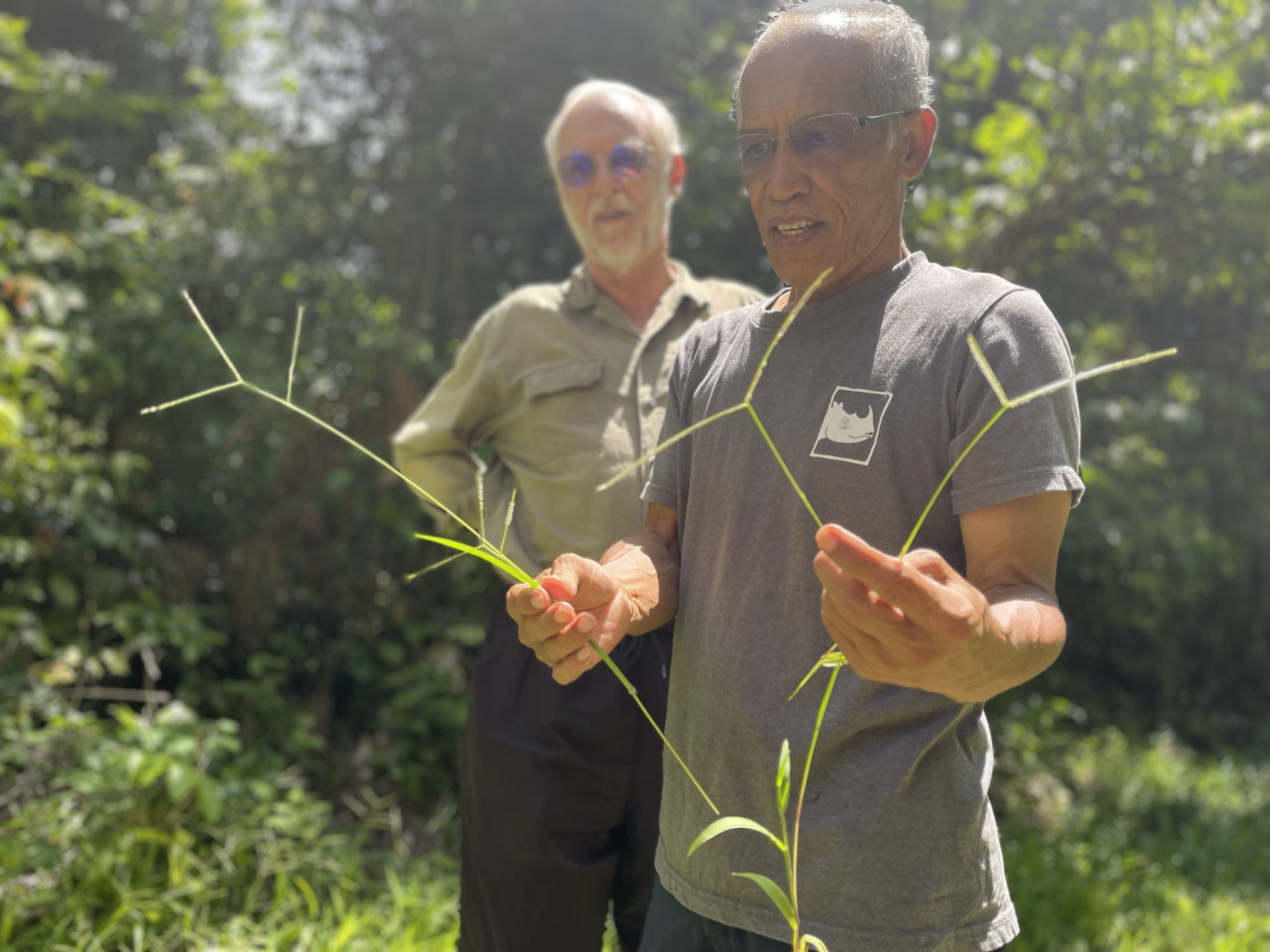
“With over 90 species of fig trees out of the 150 found in Sabah, these ficus trees exhibit rapid growth and abundant fruit production, making them an ideal food source for a variety of animals,” said Bora’s field manager Zainal Zahari Zainuddin.
The nursery has gained recognition in the Malaysia Book of Records for cultivating the largest number of fig tree species in the country, he added.
Reducing human-elephant conflict: electric fences an option?
WWF-Malaysia’s Simon, meanwhile, added that electric fences have an important role in deterring elephants from entering oil palm plantations.
Human-elephant conflicts have resulted in significant crop damage in the Tungku region of Lahad Datu.
A joint effort is underway to install 50 to 60km of electric fences along the border of the Tabin reserve in the Tungku region, with an expected completion time of three years.
As of May 2023, approximately 86% of the plantation companies have already installed electric fences in the Tungku region, while the remaining 9.5% are in various stages of installation.
Sabah’s goal is to achieve 30% totally protected areas and to comply with RSPO standards by 2025.
But mid-sized palm oil growers and smallholders face difficulties complying with RSPO standards due to the cost involved, compared to big corporations.
The LLA Framework is also aimed at helping growers achieve RSPO-compliance, including by smallholders, as well as compliance with the Malaysian Sustainable Palm Oil (MSPO) certification, which is a prerequisite before RSPO recognition.
WWF-Malaysia provides technical support so that growers can achieve the certifications and promote group certification among growers so that costs can be shared.
As of June, 95.6% or 1.44 million hectares of oil palm plantations in Sabah are MSPO certified, while 26% or 425,882 hectares are RSPO certified. – The Vibes, June 27, 2023