


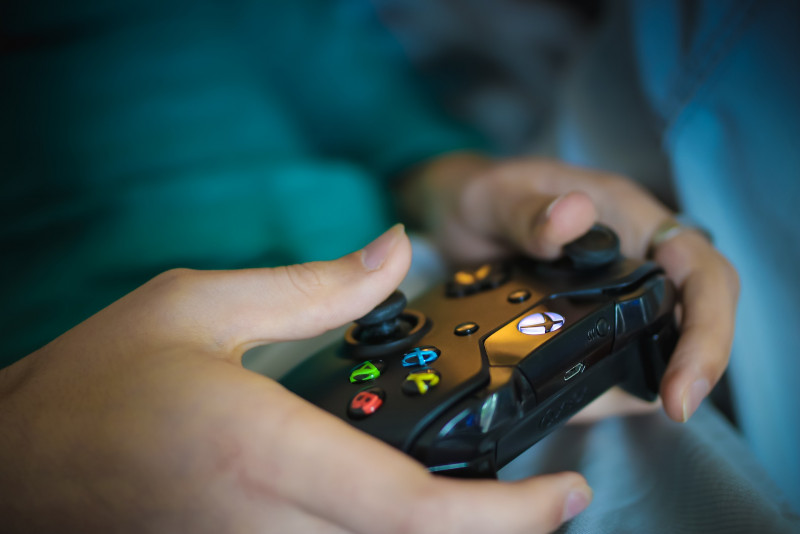
GROWING concern has resurfaced among parents following a mother’s revelation that her young son pretended to be ill just to stay home and continue playing online games — a troubling sign of digital addiction among children.
The viral account comes amid two recent violent incidents allegedly linked to online gaming: a brother fatally slashing his sibling and a student stabbing a classmate at school. Both have intensified public unease about the psychological and social effects of gaming on the young.
What was once seen as harmless digital entertainment has become, according to parents and child psychologists, a “silent threat” that is eroding children’s mental and emotional wellbeing.
Online games have become one of the most popular platforms among children, offering them a virtual space to build characters, socialise and create their own worlds.
But beneath the colourful graphics and excitement lies a darker influence — one that can normalise aggression, reckless behaviour and distorted ideas of freedom.
On social media, parents are increasingly sharing their distress. One mother recounted how her nine-year-old son wakes as early as 5 a.m. to log into his favourite game, throws tantrums when told to sleep early, refuses to go outside and lies about finishing his homework.
Experts say such cases are no longer isolated, reflecting a growing trend in modern households. Beyond addiction, the risks now include exposure to inappropriate sexual content, online dating, cyberbullying and predators hiding behind fake profiles — all of which can manipulate impressionable minds.
International studies have shown that excessive exposure to digital environments can alter how children think and behave. Many become easily agitated, lose concentration and struggle to engage socially in the real world.
Parents are being urged to monitor their children’s digital habits closely. Authorities, too, have been called upon to take firmer steps in regulating gaming platforms and protecting minors from harmful content.
As one concerned parent wrote, “Children must not be allowed to drift so far into the virtual world that they forget how to live in the real one — because in life, there is no restart button.” - November 12, 2025








