


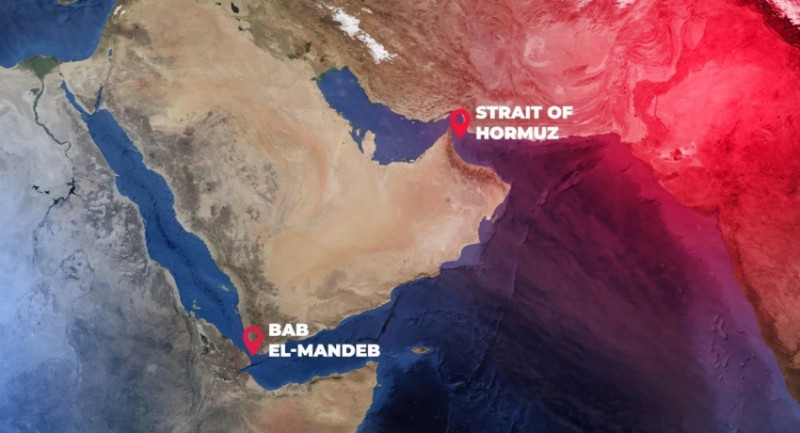
MALAYSIA’S access to critical shipping routes in conflict-affected waters has brought much-needed relief to the nation’s oil supply situation, although economists caution that the broader economic recovery remains constrained by persistent global price pressures.
Professor Emeritus Dr Barjoyai Bardai of Universiti Tun Abdul Razak said the reopening of passage for Malaysian oil tankers marked a turning point after the country faced critically low reserves, previously estimated at less than three months’ supply.
“From a quantity perspective, we have almost resolved the issue. At the very least, we now know that oil supply will be sufficient and the country is no longer at risk of a shortage in the near term.
“Recovery only involves supply, not prices, as imported oil prices remain subject to global market forces,” he said.
Despite stabilising supply, he noted that domestic fuel prices remain tied to international benchmarks, meaning cost pressures will continue to be felt by consumers.
“Although supply has stabilised, the public will still feel cost pressures,” he said, adding that improvements in availability do not immediately translate into lower prices.
The reopening of routes has also provided some relief to the logistics sector, which had been strained by earlier supply disruptions. However, rising operational costs are creating new challenges.
“Ships now face high insurance costs to pass through conflict zones, leading many companies to choose alternative routes such as the Cape of Good Hope, which are longer. This has increased logistics costs by four to five times. Goods may arrive, but at higher prices,” he said.
Dr Barjoyai further warned that Malaysia is entering a downward phase in its economic cycle, following a period of growth that peaked between 2020 and 2025.
“Beginning in 2026, the economy is expected to decline, and we may face a downturn around 2029.
“Current developments should serve as a reminder for the country to strengthen its economic fundamentals and reduce reliance on external factors,” he said.
He suggested that Malaysia reduce its dependence on the US dollar as a primary reserve currency and increase gold holdings to reinforce financial resilience.
“We need to strengthen the domestic economy, including the micro, small and medium enterprise sector, while also increasing gold reserves so that the ringgit becomes stronger and more competitive in international trade,” he said.
Separately, Dr Mohamad Idham Md Razak of Universiti Teknologi MARA said the reopening of shipping routes has accelerated efforts to stabilise national oil supply, but reiterated that pricing remains beyond domestic control.
“From a quantity perspective, we may be close to resolving the issue, but in terms of price, it is still beyond our control as it is determined by the global market.
“Although supply has returned to stability, consumers and businesses still have to contend with rising costs driven by import prices and higher logistics expenses. This means we have supply, but costs are still increasing, and this will affect the prices of goods,” he said. - April 3, 2026








